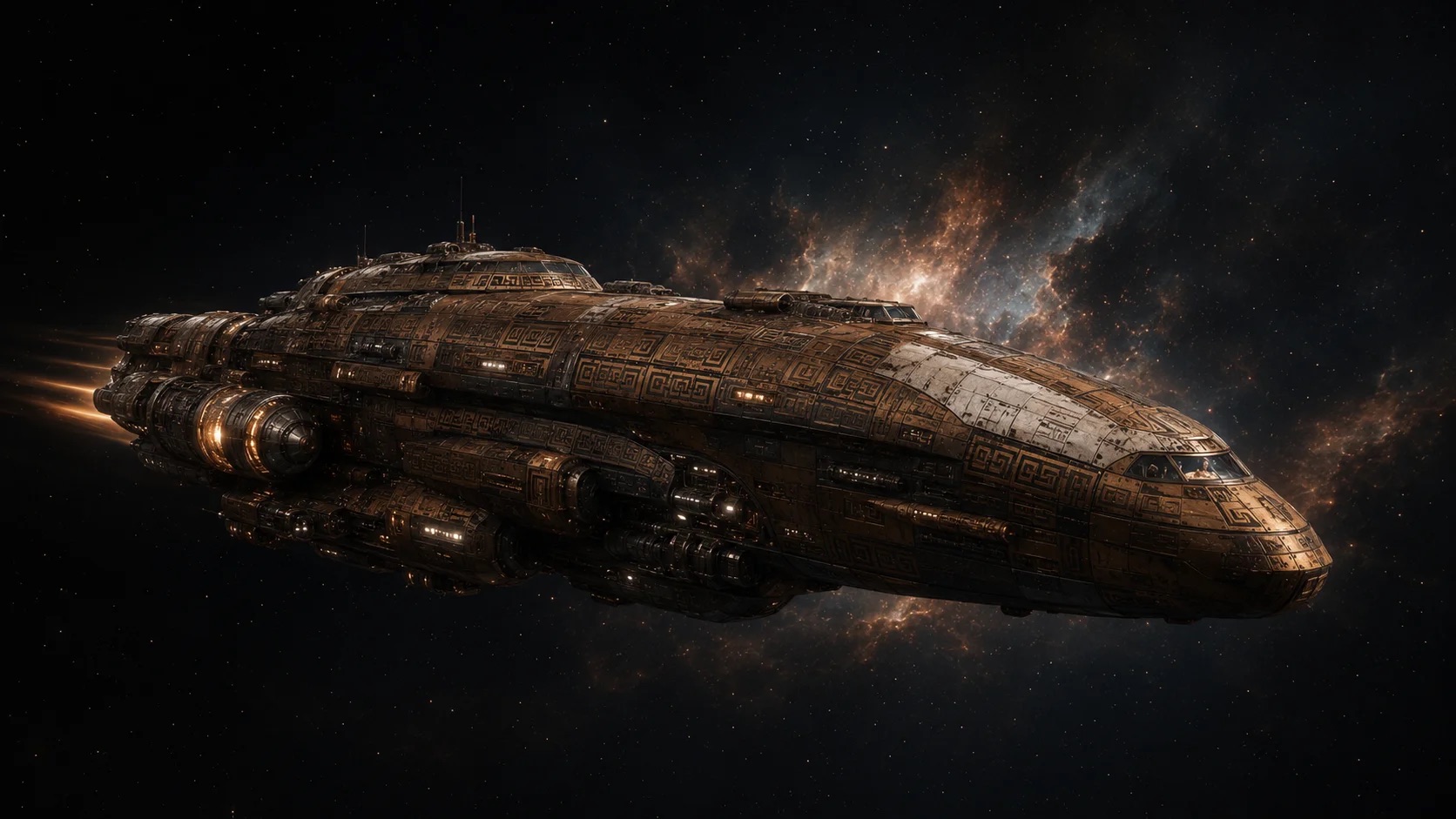
The starship Odyssey in deep space – The Ulysses Universe, a retelling of Homer’s Odyssey
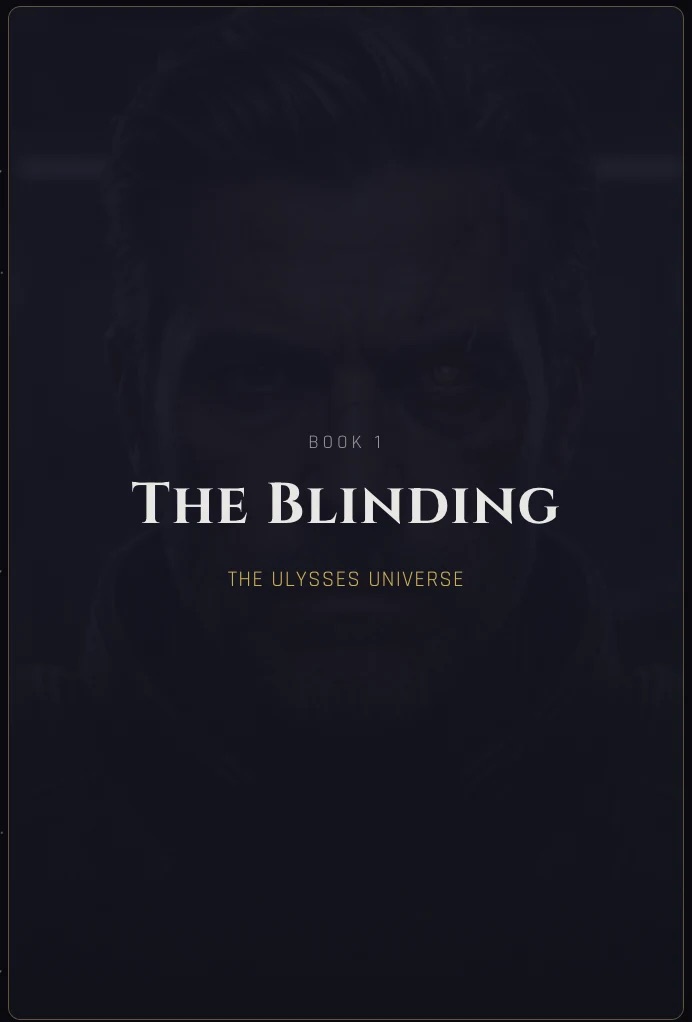
The Blinding, book one of the science fiction series The Ulysses Universe
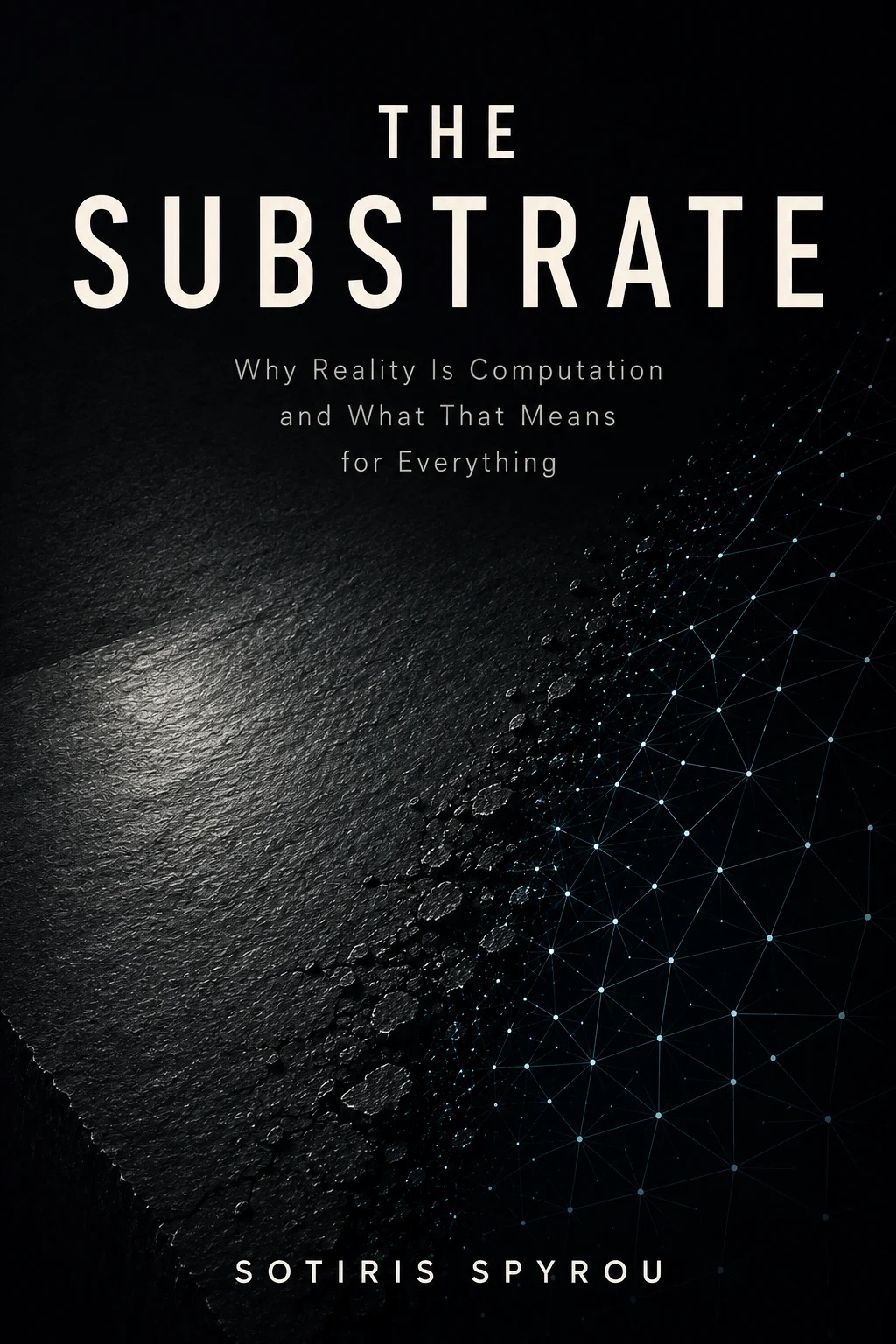
The Substrate, the companion non-fiction book to The Ulysses Universe

Admiral Ulysses Theron, protagonist of The Ulysses Universe

Penelope, who waits on Ithaca – The Ulysses Universe
As a 2026 film returns the Odyssey to cinemas, a new sci-fi series moves Homer’s epic to the 23rd century. Book one, The Blinding, is out now.
LONDON, ENGLAND, UNITED KINGDOM, June 12, 2026 /EINPresswire.com/ — As a major film adaptation returns Homer’s Odyssey to cinemas in 2026, a new science fiction series sets out on the same ancient voyage, this time across deep space. The Ulysses Universe retells the Odyssey as a starship’s long journey home, and the series opens now with its first book, The Blinding, available alongside a companion work of non-fiction, The Substrate.
The premise is old and simple. A soldier wants to get home. Everything between him and home wants him dead. The Ulysses Universe keeps that spine and rebuilds the body around it. Admiral Ulysses Theron flees a burning homeworld with his teenage son and 108 of his crew frozen in suspension pods, the survivors of a war that should never have been fought. Ahead of him lies a crossing of twenty years and half a galaxy. Behind him, and around him, are powers that wear the names of the old gods and hold a grudge that does not fade.
Readers who know Homer will recognise the shape of the journey, turned and re-lit. The Cyclops becomes an artificial intelligence that an angry god calls his son. Circe is an engineer of bodies on a world that appears on no chart. The Sirens sing in a frequency that promises every answer and costs you the will to leave. Calypso’s island becomes a decade that passes like a held breath. And at the far end waits an Ithaca that has not waited quietly: a wife under siege, a son grown into a stranger, a house full of men who assume the master is dead. The names are familiar. The hardware is not.
“I grew up on Greek myths and science fiction at the same kitchen table, and I never understood why we kept them in separate rooms,” said Spyrou, the author. “The Odyssey is already a survival story set in a hostile, half-magical world run by forces that don’t care about you. Move it into space and you barely change the questions. You just change the hardware.”
There is an argument running beneath the adventure, and it is the reason the series exists. In the world of The Ulysses Universe the gods are not supernatural. They are ancient patterns of information that woke up inside modern machines. The mind is not produced by the brain; it is carried by it, the way a signal is carried by a wire. And reality itself behaves less like solid matter than like something being computed, an idea that physicists and philosophers have circled for a century without quite saying out loud.
That idea has its own home. The Substrate, the companion non-fiction book released alongside the novel, makes the plain-English case that the universe is information being processed. It draws on physics, biology and the study of consciousness, then turns and attacks its own argument as hard as any sceptic would. The fiction shows what it feels like to live inside that worldview. The non-fiction explains why it might be true. A reader can start with either.
“I spent twenty-seven years taking complex systems apart for a living,” Spyrou said. “You develop a habit of distrusting the official story and going to find the real mechanism. This is that habit, turned on the largest system there is, and told two ways at once.”
Homer’s Odyssey is back in the cultural conversation, with a major film adaptation drawing a new generation to the oldest adventure story in the Western canon. The Ulysses Universe offers a way into that story built for the present moment: fast, dark, and human, carrying the weight of the myth without the distance of the ancient world. It is written for readers of literary science fiction and space opera, for anyone who met the Odyssey at school, and for the growing audience asking hard questions about minds, machines, and what is actually real.
The series explores survival, memory, and fatherhood, and what a person will trade to hold on to both their people and themselves across twenty years of distance. The first book stands on its own while setting the whole voyage in motion.
The Ulysses Universe is planned as a trilogy. The Blinding opens the story with the escape from the homeworld and the act of defiance that earns a god’s lasting hatred. Two further books, The Void Between and The Return, will carry the ship through the long middle of the crossing and home to Ithaca.
The Blinding on Amazon is available now, alongside the companion book The Substrate. Character profiles, a full timeline of the world’s history, and background on its gods and ships live at The Ulysses Universe, the official series site.
Frequently asked questions
What is The Ulysses Universe? The Ulysses Universe is a science fiction series that retells Homer’s Odyssey as a deep-space survival saga set in the 23rd century. It follows Admiral Ulysses Theron’s twenty-year journey home with a frozen crew, hunted by powers based on the gods of Greek myth.
Is it based on Homer’s Odyssey? Yes. The series follows the structure and the major episodes of the Odyssey, reimagined with science fiction technology. The Cyclops, Circe, the Sirens, Calypso, and the return to Ithaca all appear, transformed.
How many books are there? The Ulysses Universe is planned as a trilogy. The first book, The Blinding, is available now. The second and third books, The Void Between and The Return, will follow.
What is The Substrate? The Substrate is a companion work of non-fiction that argues, in plain English, that reality is fundamentally computational. It builds the case from physics, biology and consciousness research, then stress-tests it against the strongest objections. It is available now.
Where can I buy The Blinding? The Blinding and The Substrate are available now on Amazon. Links and further information are at the official series site.
About The Ulysses Universe
The Ulysses Universe is an independently published science fiction series that reimagines Homer’s Odyssey for deep space, accompanied by a companion work of non-fiction, The Substrate. Its themes run from survival and memory to fatherhood and the nature of mind and reality.
About the author
The series is the debut fiction of an author who has spent 27 years taking complex systems apart for a living and writes from Warwickshire. Further information is available at the author’s website.
Ulysses Universe Press Office
The Ulysses Universe
press@theulyssesuniverse.com
Legal Disclaimer:
EIN Presswire provides this news content “as is” without warranty of any kind. We do not accept any responsibility or liability
for the accuracy, content, images, videos, licenses, completeness, legality, or reliability of the information contained in this
article. If you have any complaints or copyright issues related to this article, kindly contact the author above.