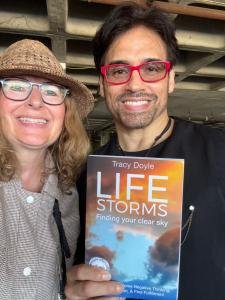
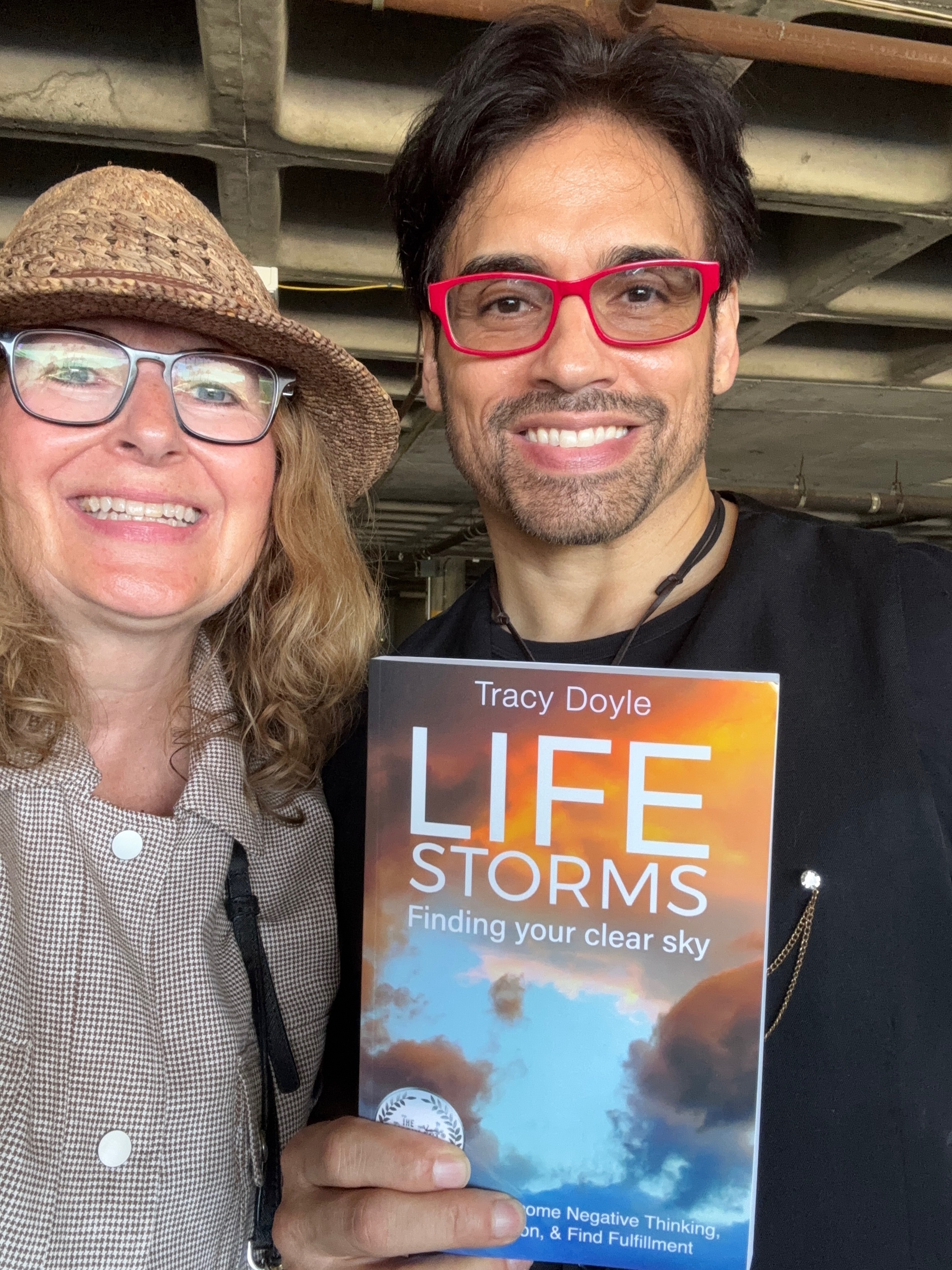
Danny Arroyo with Tracy Doyle
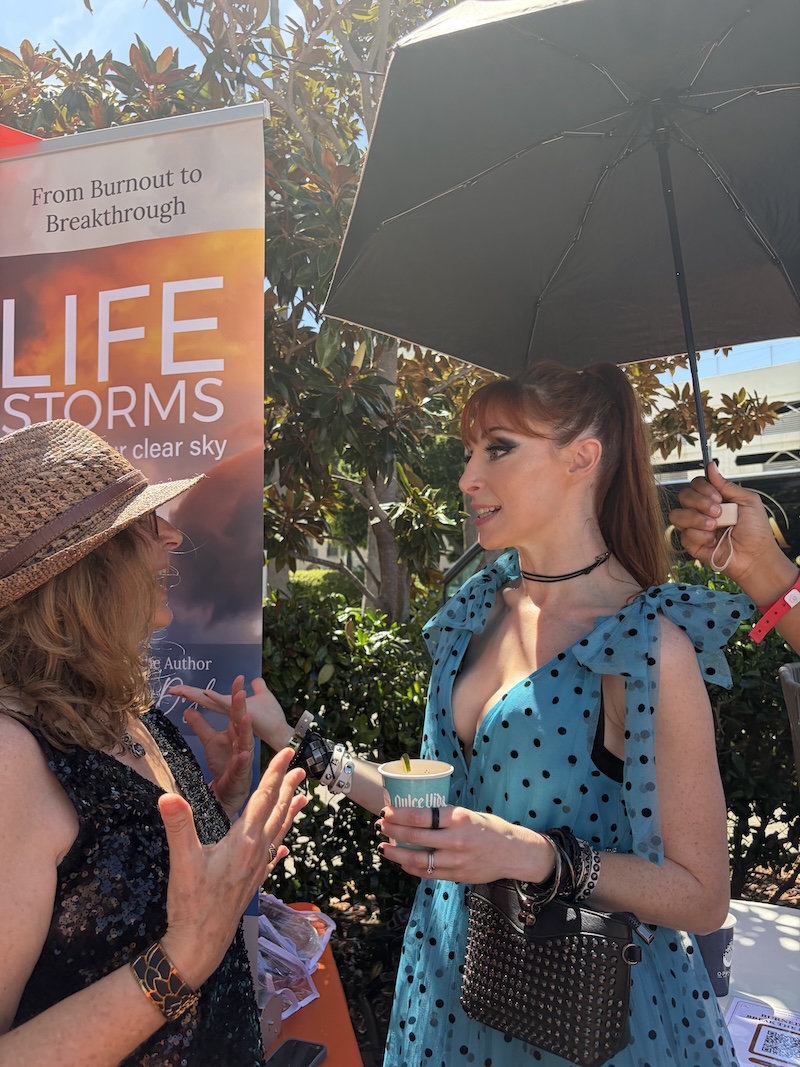
Lisa Foiles with Tracy Doyle
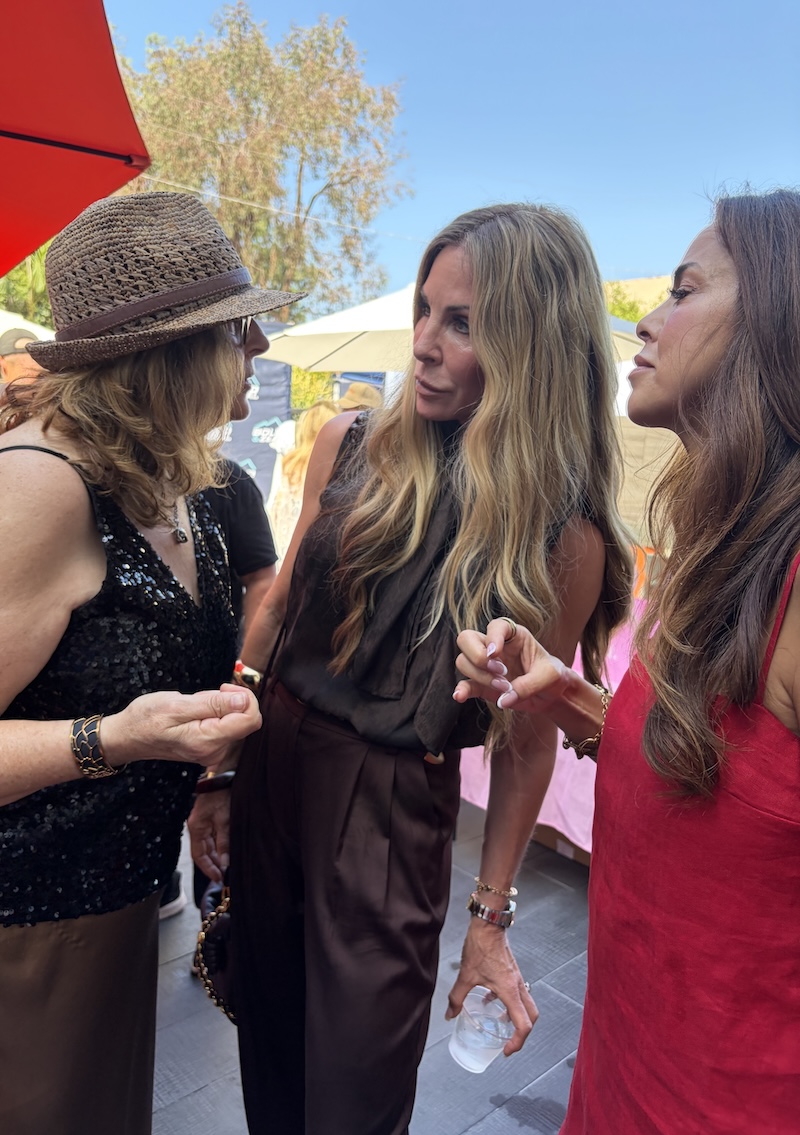
Tracy Doyle with Cindy Ambuehl and Rosa Blassi
Burnout Isn’t a Calendar Problem. It’s a Pattern Problem.
LOS ANGELAS , CA, UNITED STATES, September 22, 2026 /EINPresswire.com/ — During Emmys Week, former CEO and award-winning author Tracy Doyle brought a different conversation to Hollywood: What if the way we’ve been talking about burnout is missing what keeps many high-performing people stuck in it?
Doyle, author of the award-winning Life Storms: Finding Your Clear Sky and creator of the Aurora Method, attended the Harvest Celebrity Gifting Lounge, where she shared her work with attendees and marked the official launch of Aurora Method Coaching.
Her message challenges the idea that burnout can always be solved by doing less, managing time better or simply stepping away from work.
“Burnout isn’t a calendar problem. It isn’t a workload problem. It’s not a relationship problem. It’s a pattern problem,” Doyle said. “Rest matters. Boundaries matter. But if we don’t understand the patterns driving how we think, react and relate to others under pressure, we can change our circumstances and still find ourselves repeating the same cycle.”
Doyle came to that conclusion through experience. Before becoming an author, speaker and coach, she founded and led a multimillion-dollar medical communications company for more than two decades before selling it in 2023. While building a successful career, she also experienced the emotional cost of patterns she did not yet recognize.
“I thought the pressure was coming from everything I had to do,” Doyle said. “Eventually, I realized I also had to look at what was driving me to do it all in the first place.”
That realization became the foundation of the Aurora Method, a five-phase framework focused on helping people recognize the patterns beneath emotional burnout, understand what is driving their reactions, and learn to respond differently.
The launch of Aurora Method Coaching expands Doyle’s work beyond the pages of Life Storms and her speaking platform, offering high-performing professionals a structured way to apply the framework to the patterns affecting their well-being, reactions, and relationships.
Doyle’s work has received multiple honors in 2026, including the NYC Big Book Award for Women’s Health, First Place at the BookFest Awards for Self-Help: Relationships and Communication, and recognition in Business Leadership: Psychology and Mindset and Women in Business.
But for Doyle, Emmy Week offered something beyond recognition. Her conversations with celebrities and other attendees reinforced how widely the experience of emotional burnout resonates, even among people whose lives may appear successful from the outside. Many expressed support for her work and the need to bring greater attention to it.
“What struck me was how quickly people connected with this conversation,” Doyle said. “Regardless of what success looks like on the outside, so many of us can recognize what it feels like when the patterns that helped us achieve begin costing us our well-being and our relationships. That’s why I believe we need to keep elevating this conversation.”
For Doyle, bringing that message to Hollywood during Emmy Week was not simply an opportunity to talk about burnout. It was an opportunity to begin changing the conversation around it.
About Tracy Doyle:
Tracy Doyle is a former CEO, award-winning author, speaker and creator of the Aurora Method, a psychology-informed, mindfulness-based framework for addressing the patterns beneath emotional burnout. She is the author of the award-winning Life Storms: Finding Your Clear Sky and founder of Aurora Method Coaching.
Learn more at www.tracydoyle.life.
Blair Kaplan
Blair Kaplan Communications Inc
+1 604-838-4234
email us here
Legal Disclaimer:
EIN Presswire provides this news content “as is” without warranty of any kind. We do not accept any responsibility or liability
for the accuracy, content, images, videos, licenses, completeness, legality, or reliability of the information contained in this
article. If you have any complaints or copyright issues related to this article, kindly contact the author above.