
A practical guide to researching library policies, making your book orderable, preparing an acquisition sheet, and writing a concise pitch librarians can evaluate.
Category: Author Tips
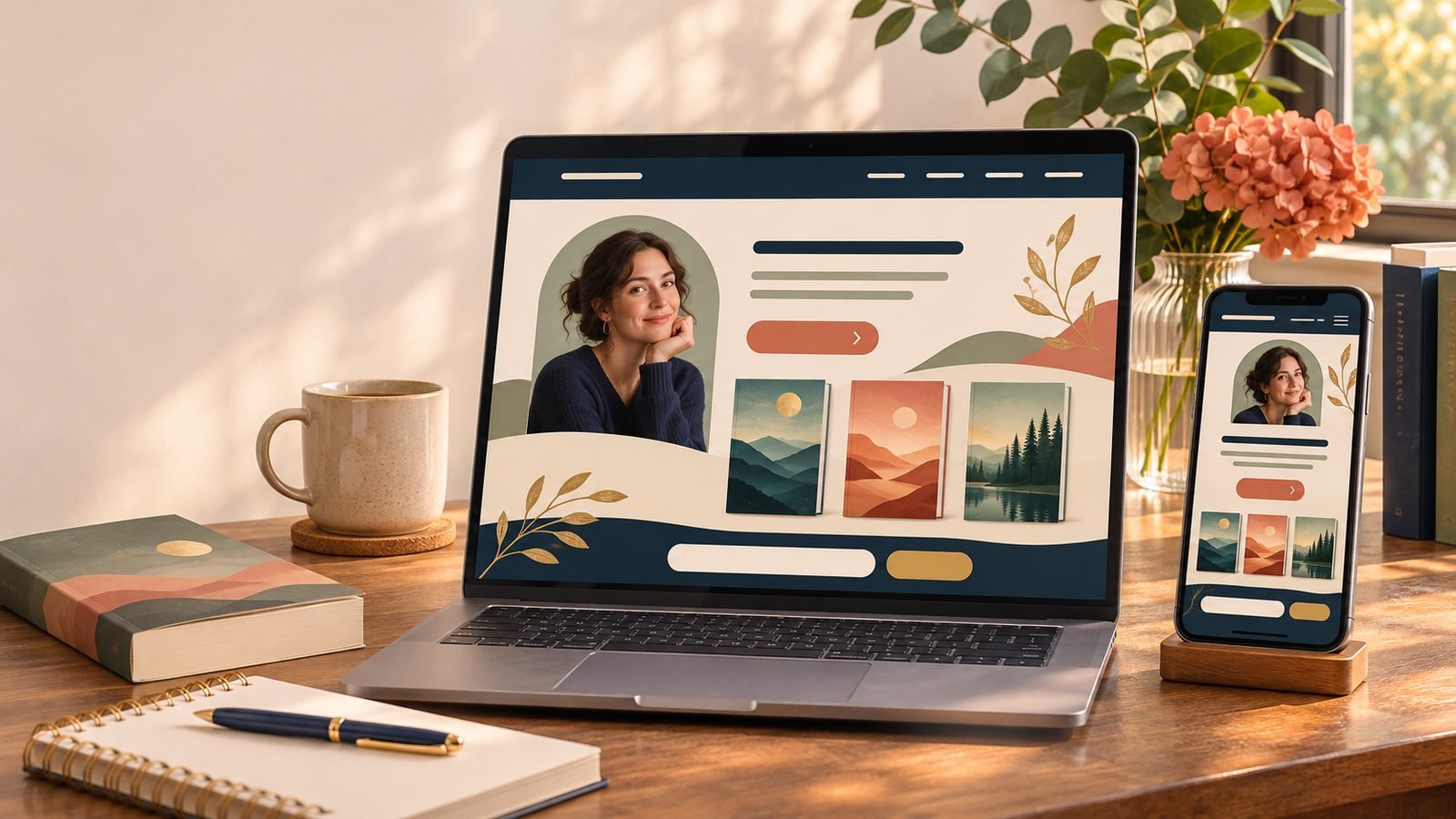
How to Build an Author Website Homepage That Helps Readers Take the Next Step
A practical homepage framework that helps readers recognize your books, understand your work, and choose a clear next step without hunting through the site.
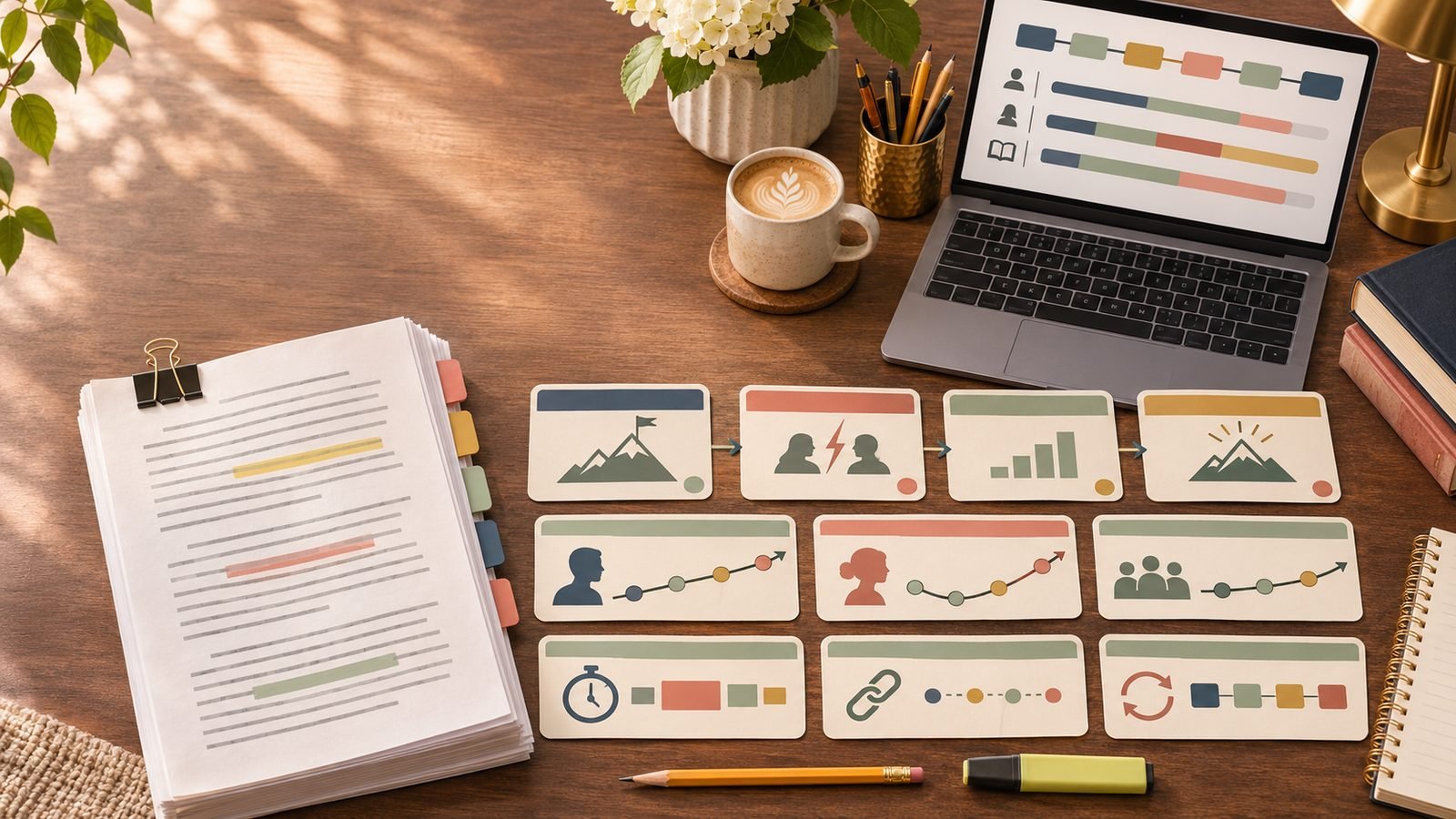
How to Build a Reverse Outline That Reveals What Your Novel Needs
A practical scene-by-scene method for finding structural, pacing, character-arc, and continuity problems before line editing a novel.

How to Build an Advance Reader Team That Earns Honest Reviews
A practical, policy-aware guide to recruiting advance readers, delivering ARCs, requesting independent reviews, and following up without pressuring readers.
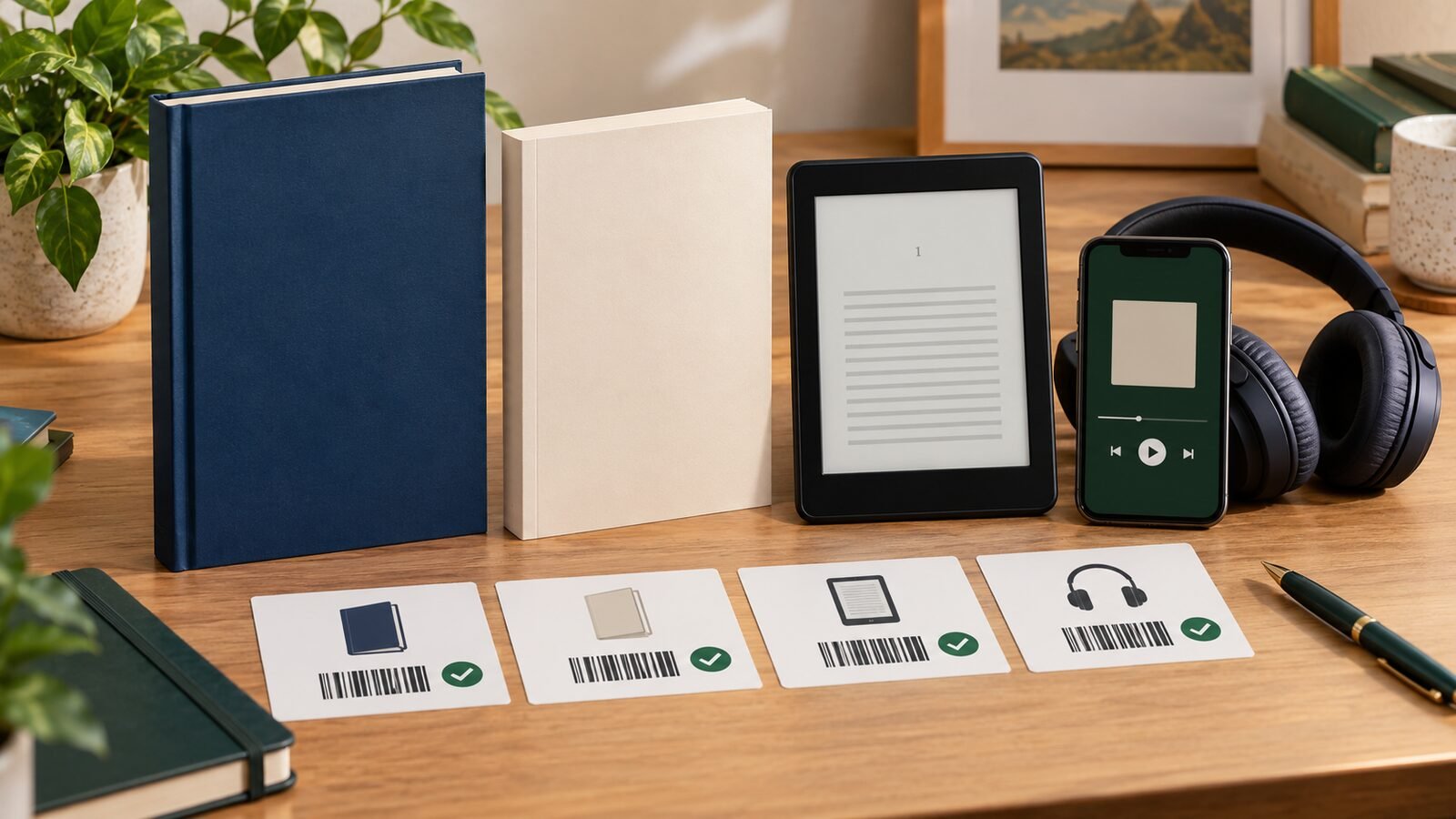
When Does a Book Need a New ISBN? A Practical Decision Guide for Authors
A practical guide to deciding when a new edition, format, language, cover, or corrected reprint needs a new ISBN—and when the existing identifier should stay.
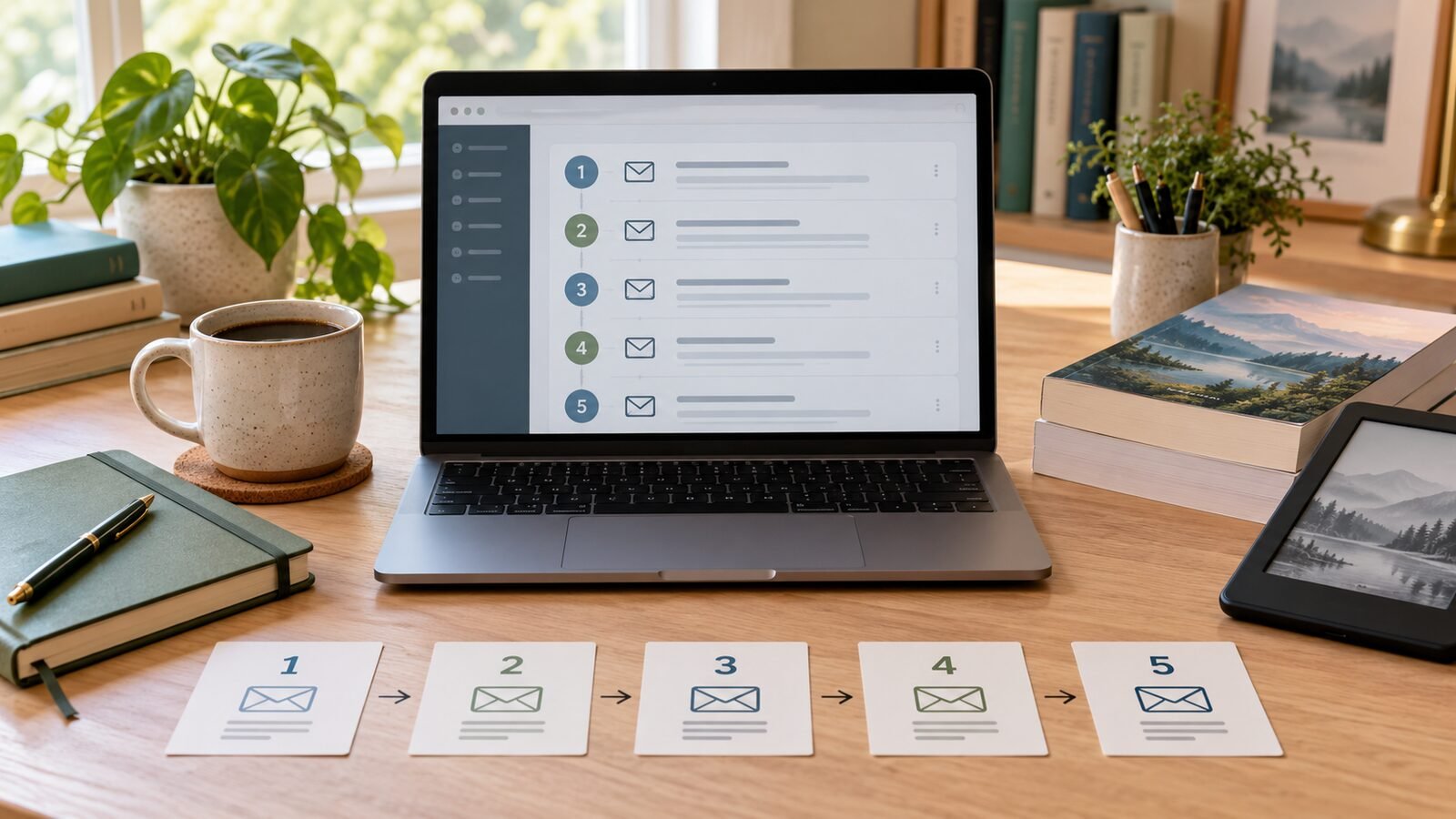
How to Build a Five-Email Welcome Sequence for New Readers
A practical five-email plan for welcoming newsletter subscribers, introducing your books, inviting useful interaction, and maintaining consent and deliverability.
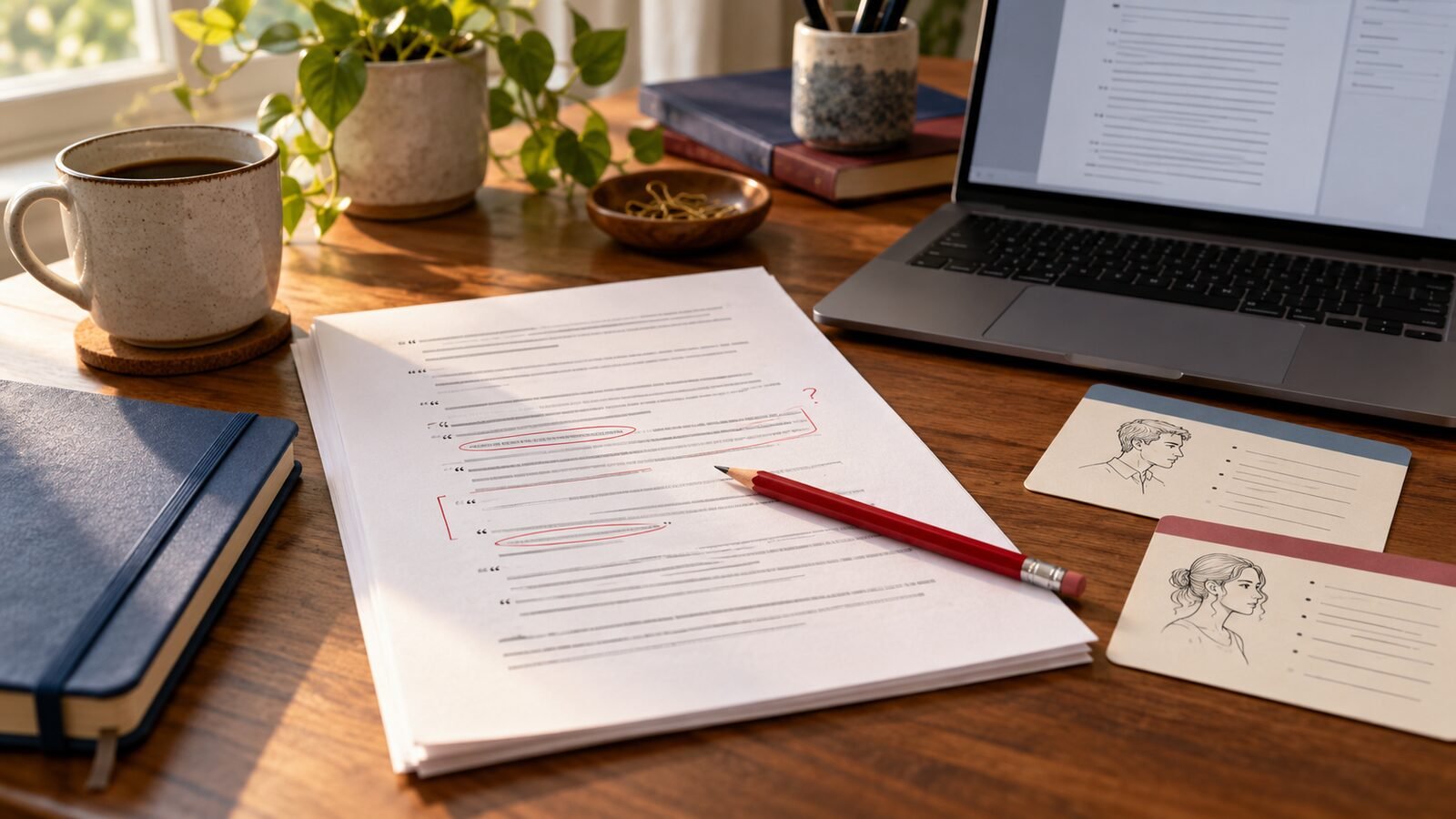
How to Revise Dialogue So Every Line Earns Its Place
A practical scene-level method for revising dialogue for stronger conflict, clearer character voices, useful action beats, and cleaner pacing.
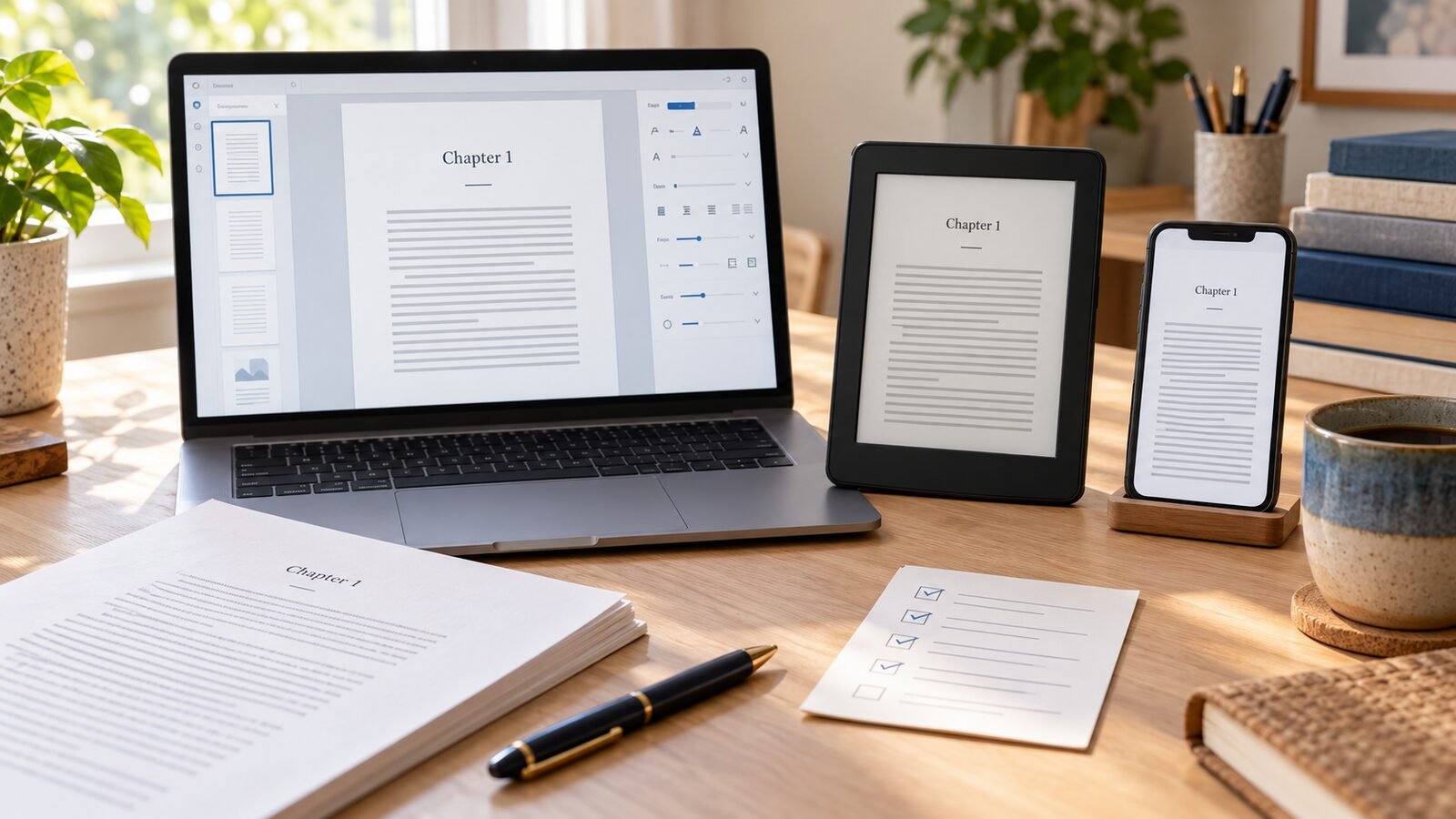
How to Format an Ebook That Works Across Kindle, Apple Books, and Kobo
A practical workflow for creating a clean, accessible EPUB, validating it, and testing it across the major ebook platforms.

How to Write a Book Description That Helps the Right Reader Say Yes
A practical guide to writing clear, compelling retailer descriptions for fiction and nonfiction—without spoilers, hype, or keyword stuffing.

How to Build an Author Media Kit People Can Actually Use
A practical checklist for creating an author media kit that gives reviewers, journalists, podcast hosts, and event organizers the information and files they need.