

Debra Wesselmann
Despite common misconceptions, trauma therapist Debra Wesselmann says EMDR therapy can help even those with severe trauma experiences begin the recovery process
LOS ANGELES, CA, UNITED STATES, July 13, 2026 /EINPresswire.com/ — Traumatic experiences can leave lasting emotional effects, influencing how people view themselves, their relationships, and the world around them. Author and trauma therapist Debra Wesselmann says that understanding the impact of trauma and using evidence-based treatment approaches like EMDR therapy can help individuals move toward healing, resilience, and renewed hope.
“Trauma can leave people carrying shame, guilt, anxiety, and negative beliefs long after an experience has ended, but healing is possible,” says Wesselmann. “Evidence-based approaches like EMDR therapy can help individuals process painful memories, reduce emotional distress, and create new pathways toward resilience and a healthier sense of self.”
Eye Movement Desensitization and Reprocessing (EMDR) therapy is a structured psychotherapy approach that combines standardized procedures with bilateral stimulation, including guided eye movements, tactile methods, or audio stimulation, to help individuals process distressing memories.
Wesselmann explains that trauma is not simply a memory of something that happened in the past. For many people, traumatic experiences can remain emotionally active, affecting thoughts, behaviors, relationships, and beliefs about themselves and the world.
“Many people struggle not only with what happened to them but also with the beliefs they developed because of those experiences,” says Wesselmann. “When trauma remains unresolved, individuals may continue to feel trapped by emotions and reactions connected to the past. EMDR therapy can help support the brain’s natural ability to process and integrate these experiences.”
A key reason many patients and providers prefer EMDR is that it does not require individuals to repeatedly describe every detail of a traumatic experience. Instead, the therapy allows individuals to work through distressing memories while focusing on the emotions, thoughts, and physical responses connected to those experiences.
“People often believe they have to relive every painful moment to heal, but trauma treatment can take many forms,” says Wesselmann. “EMDR offers many individuals a way to process difficult experiences while moving toward greater emotional balance, self-compassion, and hope.”
Trauma may come from childhood experiences, major life events, loss, accidents, abuse, or other overwhelming circumstances, but regardless of the source, unresolved emotional pain can be addressed with appropriate professional support.
“Healing from trauma is not about erasing what happened; it is about helping people reclaim their sense of safety, strength, and possibility. Everyone deserves access to care that honors their experiences and supports meaningful recovery.”
About Debra Wesselmann
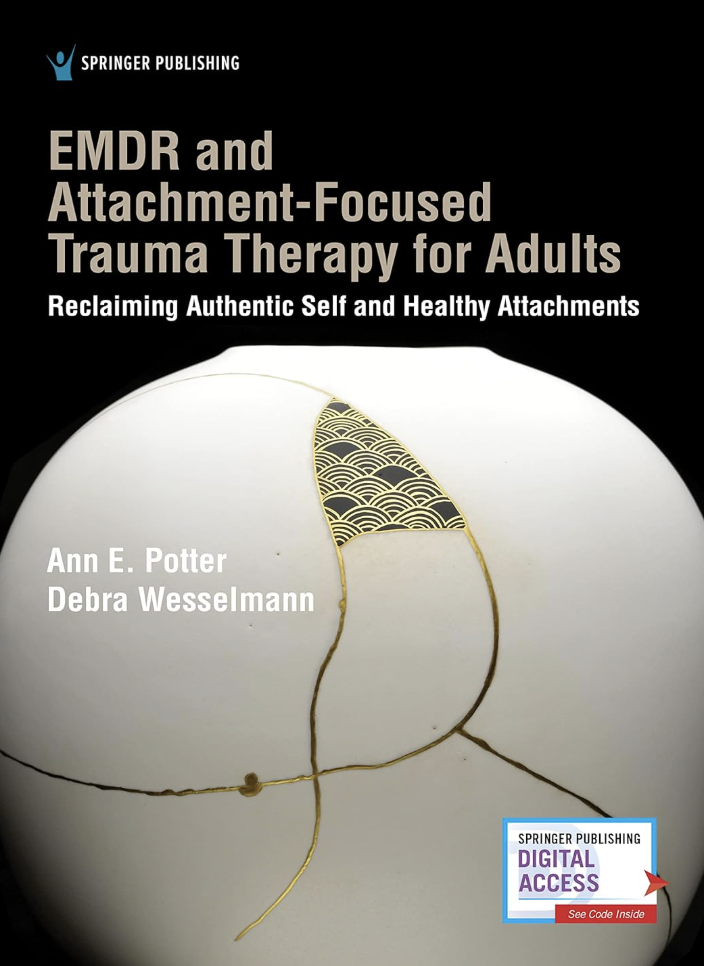
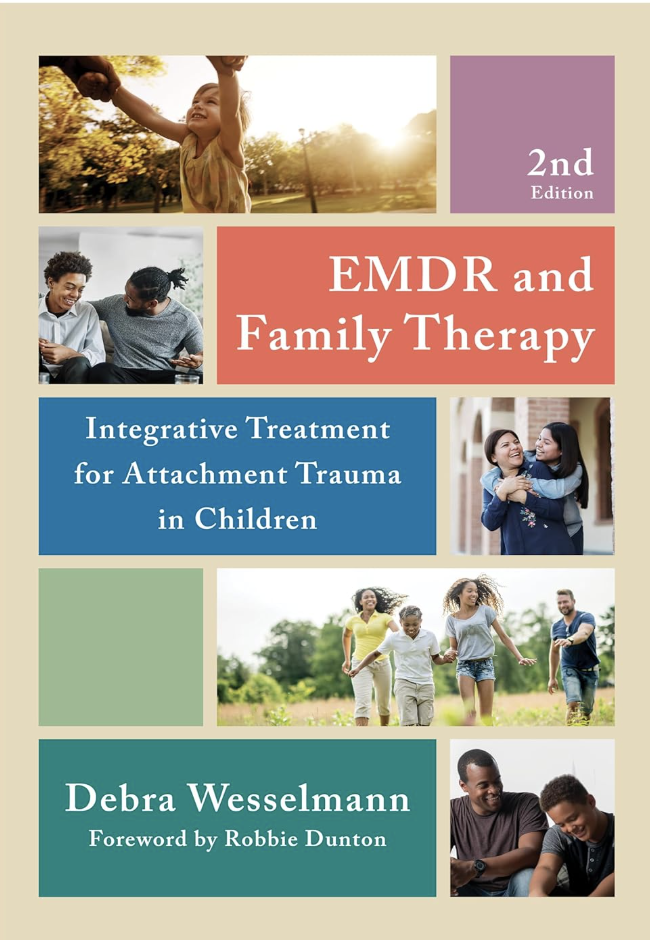
Debra Wesselmann, MS, LIMHP, is an attachment-focused clinician, author, and EMDR trainer with more than three decades of experience helping children, adults, couples, and families heal from trauma and attachment-related challenges. She is a cofounder of the Attachment and Trauma Center of Nebraska, an EMDR Institute facilitator, and an EMDRIA-approved consultant. Wesselmann is the co-author of EMDR and Attachment-Focused Trauma Therapy for Adults: Reclaiming Authentic Self and Healthy Attachments, which explores innovative approaches to addressing trauma and attachment wounds through EMDR therapy. She has also contributed to several other books and publications, including EMDR and Family Therapy: Integrative Treatment for Attachment Trauma in Children, which examines the integration of family therapy and EMDR to support children recovering from attachment-related trauma and to advance trauma-informed care for both clinicians and the individuals they serve.
To learn more, click here: https://www.debrawesselmann.com/
Debra Wesselmann is available for interviews.
Amanda Kent
Boundless Media USA
+1 313-403-5636
email us here
Legal Disclaimer:
EIN Presswire provides this news content “as is” without warranty of any kind. We do not accept any responsibility or liability
for the accuracy, content, images, videos, licenses, completeness, legality, or reliability of the information contained in this
article. If you have any complaints or copyright issues related to this article, kindly contact the author above.