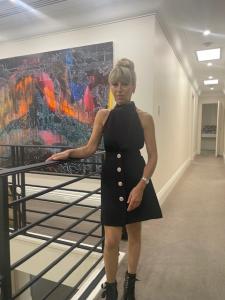
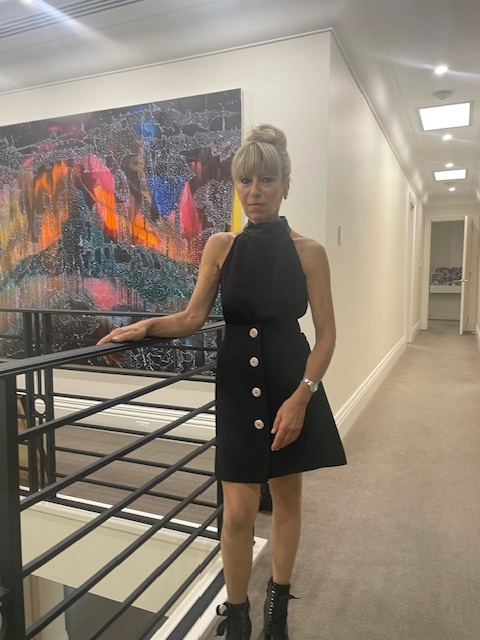
Anita Selzer
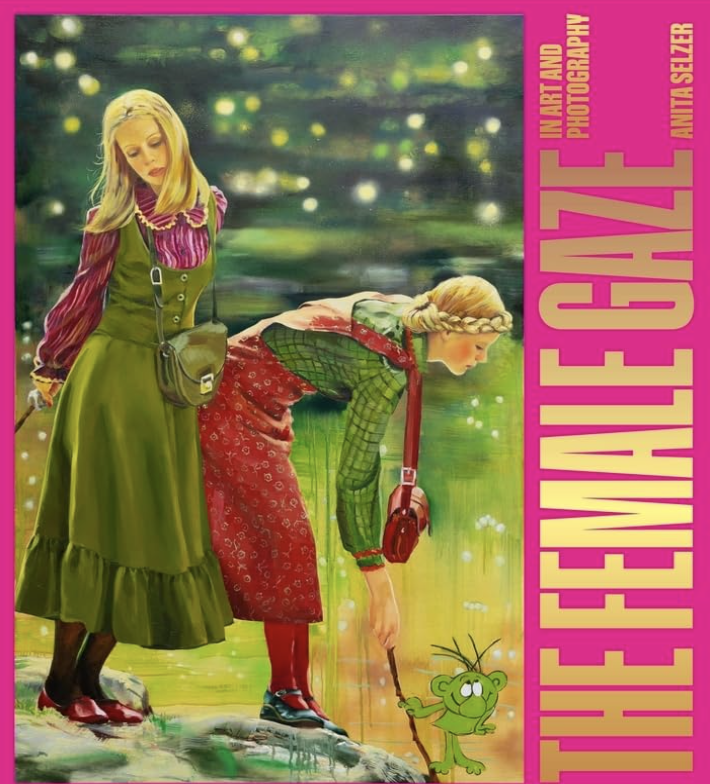
As generative AI conversations grow, author Anita Selzer is raising questions about copyright, ethics, and the future of artists
LOS ANGELES, CA, UNITED STATES, May 7, 2026 /EINPresswire.com/ — As AI-generated imagery rapidly expands, many artists say the technology is raising difficult questions about how creative work is being used, credited, and interpreted in the digital age. Award-winning author Anita Selzer is now encouraging broader discussion surrounding copyright, ethics, and the evolving relationship between artists and artificial intelligence.
“Technology can be a wonderful thing, but it also needs to come with responsibility, ethics, and fairness,” says Selzer. “Many artists are concerned about how their work may be influencing AI-generated content, and understandably, there are growing conversations surrounding that.”
Selzer cites comments by American artist Molly Crabapple, who recently discussed the issue in The Guardian after discovering similarities between her artistic style and AI-generated imagery.
“AI image generators had scraped my entire body of work off the internet and fed it to their bots, to be excreted out as a product,” Crabapple wrote.
Crabapple also expressed concern over how large volumes of online imagery may be used to train AI systems, contributing to ongoing debates about attribution, consent, and creative ownership.
According to a survey conducted by Book An Artist, many participating artists said they believe current copyright frameworks are struggling to keep pace with advances in generative AI technology.
“These are not small concerns,” Selzer explains. “Artists are asking important questions about how creative work is being referenced, how AI systems are trained, and what protections or standards may be needed moving forward.”
While some artists see AI as a creative tool, Selzer believes the ethical conversation remains ongoing.
“There are artists who are curious about AI and exploring what it can do creatively,” says Selzer. “But innovation should not come at the expense of the people whose work has helped shape visual culture over decades.”
Selzer also says AI raises broader questions about bias and representation within the technology itself.
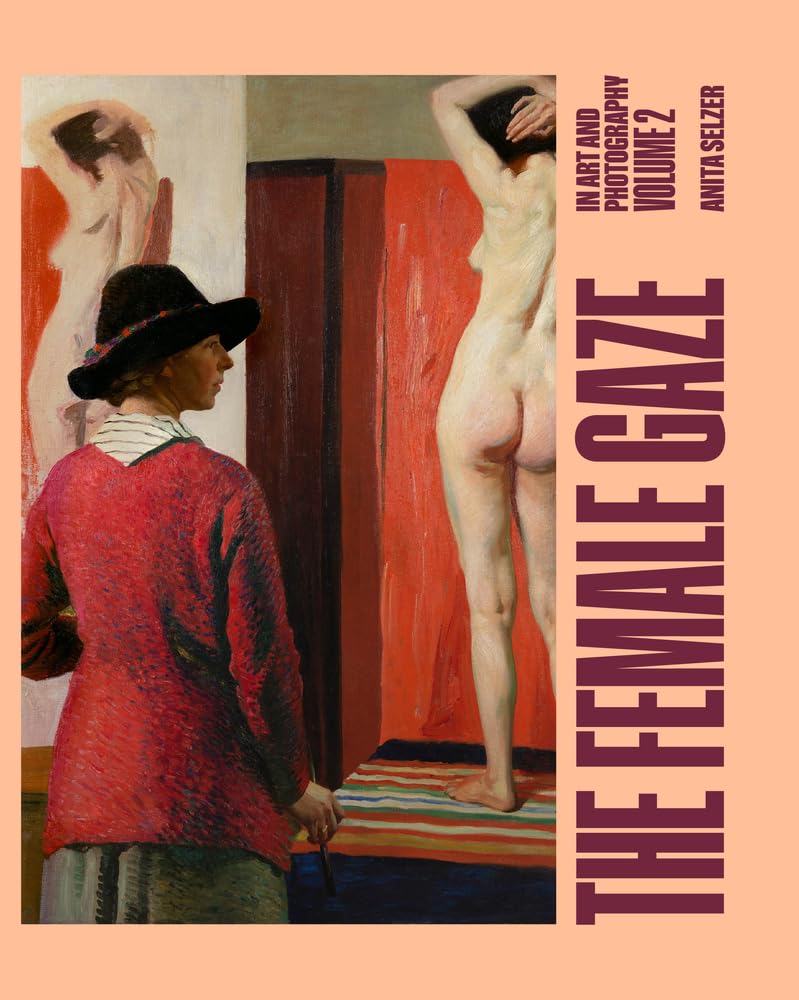
In her book, The Female Gaze in Art and Photography, Volume 2, Selzer discusses Norwegian photographer Charlotte Wiig and her attempts to create AI-generated self-portraits. Despite prompts that identified her as a professional female photographer, the AI repeatedly generated images of men.
“What are the consequences when women remain underrepresented among those developing artificial intelligence?” Selzer asks. “Whose perspectives are shaping these technologies, and whose are being overlooked?”
As discussions surrounding AI continue worldwide, Selzer believes the conversation must focus not only on innovation but also on transparency, representation, and supporting the creative community as technology evolves.
To learn more about Anita Selzer, check out her upcoming interview in White Paper By, a Spanish lifestyle magazine focused on fashion, art, and culture.
About Anita Selzer
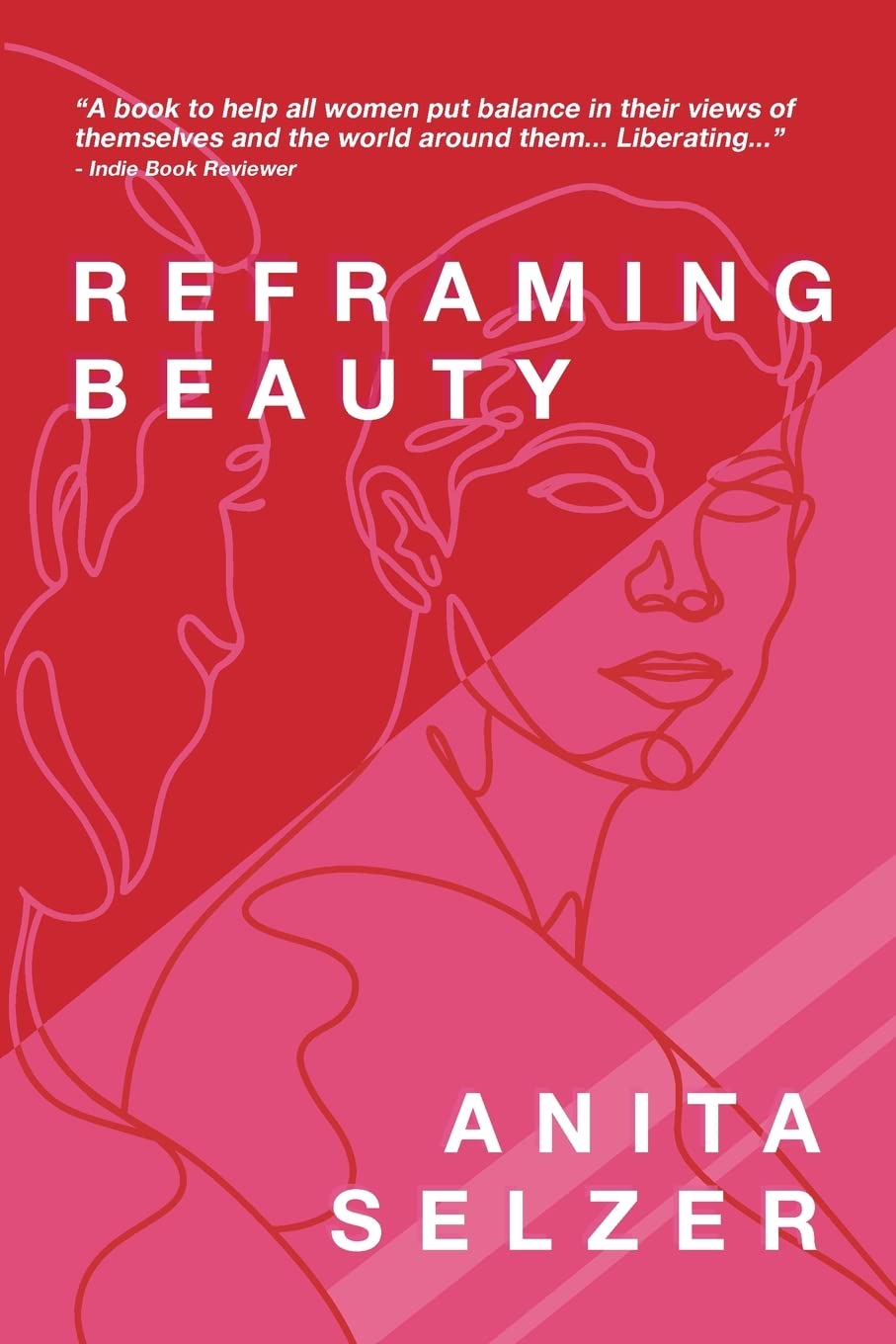
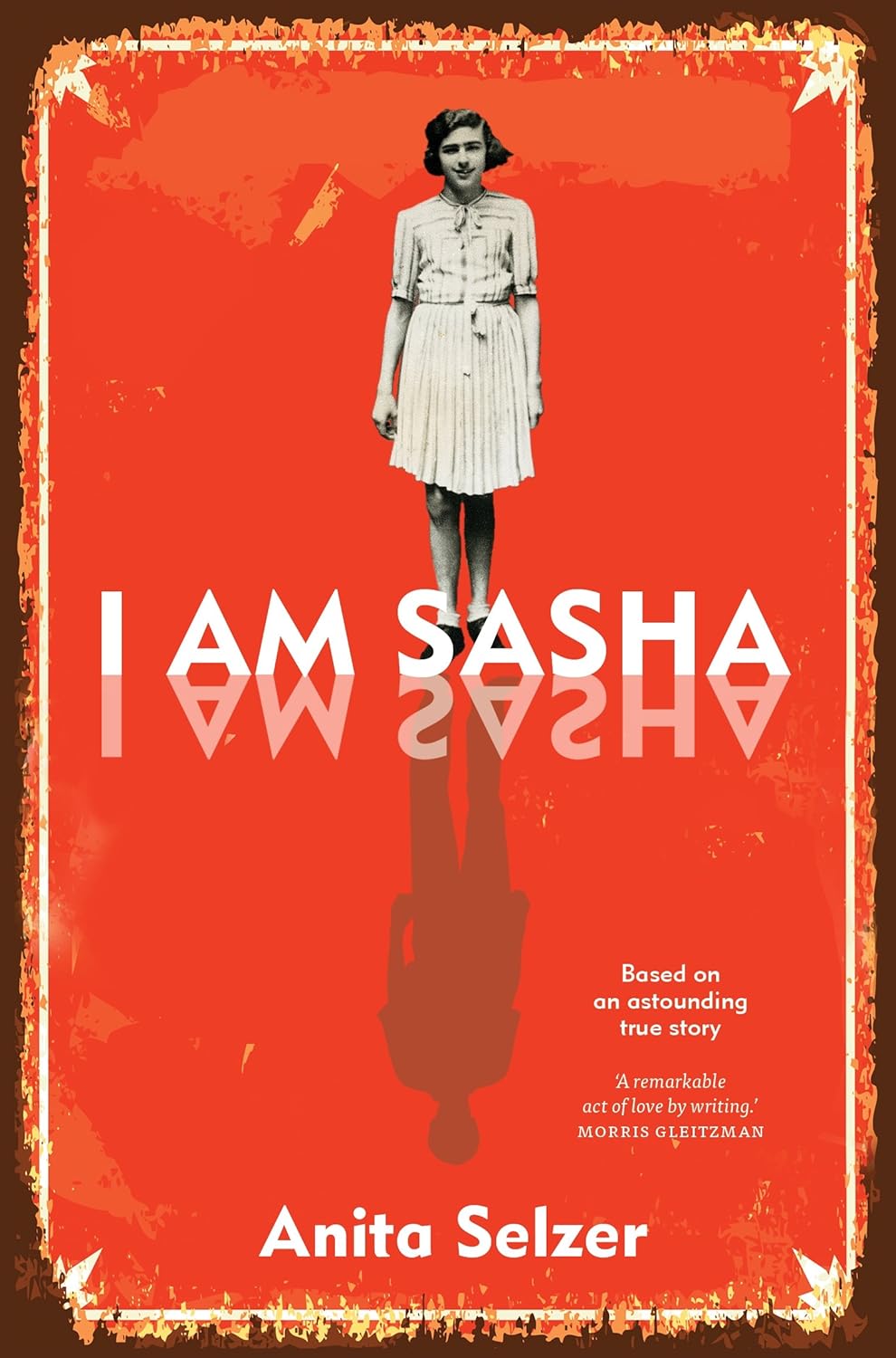
Anita Selzer is an author and researcher whose work explores art, photography, identity, and cultural representation. Her publications include The Female Gaze in Art and Photography series, which examines the experiences and perspectives of women artists and photographers across contemporary visual culture.
To learn more about Selzer and her work, visit https://anitaselzerauthor.com.au/
Anita Selzer is available for interviews.
Amanda Kent
Boundless Media USA
+1 313-403-5636
email us here
Legal Disclaimer:
EIN Presswire provides this news content “as is” without warranty of any kind. We do not accept any responsibility or liability
for the accuracy, content, images, videos, licenses, completeness, legality, or reliability of the information contained in this
article. If you have any complaints or copyright issues related to this article, kindly contact the author above.