A reader who joins your email list has taken a meaningful step. They may have downloaded a bonus story, followed a link from the back of a book, or signed up after an event. A welcome sequence should use that moment well: deliver what was promised, make the author’s work easy to understand, and show the reader what future emails will contain.
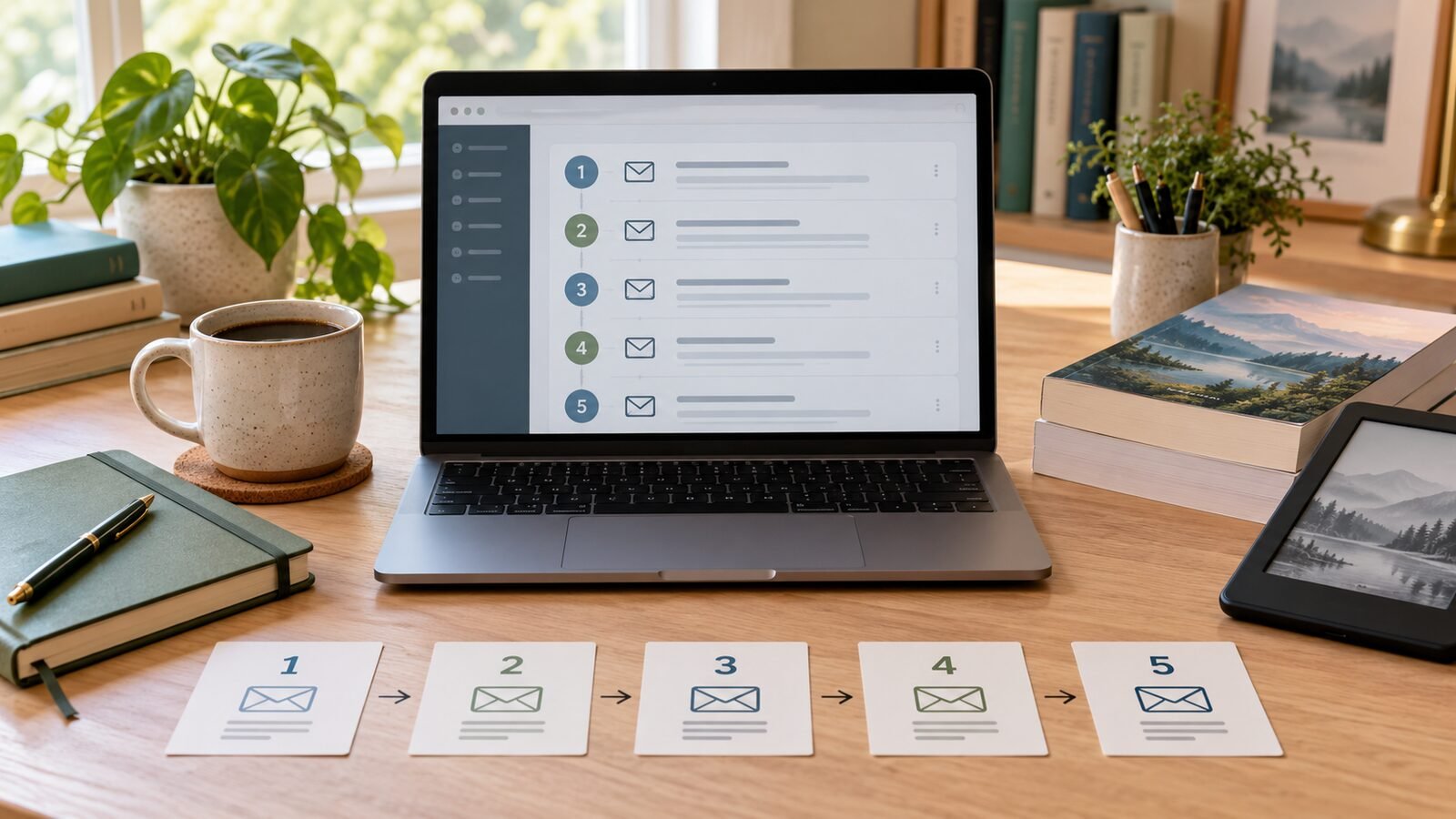
The sequence does not need elaborate automation or daily sales pitches. Five focused emails can orient a new subscriber, invite a response, and create a natural path into your regular newsletter.
Set the promise before writing the emails
Write one sentence that explains why a reader should remain subscribed. A mystery author might promise early looks at new cases, research notes, and occasional book recommendations. A nonfiction author might offer practical guidance, new resources, and updates related to the book’s subject.
Use that promise on the signup form and in the first email. State the expected frequency, too. If the regular newsletter arrives monthly, say so. BookBub’s survey of more than 500 authors, updated November 13, 2025, found that monthly was the most common frequency among respondents, although the report emphasizes that a consistent schedule should fit the author’s books, readers, and release pattern.
Decide where subscribers enter the sequence. A reader who requested a prequel may need a different first link from someone who joined at a workshop. You can still use one core sequence, but the promised delivery must match the signup source.
Email 1: Deliver the promise immediately
Send the first message as soon as the subscription is confirmed. Put the promised download, chapter, checklist, or resource near the top. Use a specific link label such as “Download the prequel” instead of making the reader search through a long introduction.
Keep the rest short: thank the reader, explain what you write, state the normal email frequency, and ask them to add your sending address to their contacts. End with an easy reply question related to the signup offer: “Which character brought you here?” or “What is the biggest problem you are trying to solve?” Replies can reveal what readers value and may also help establish that your messages are wanted.
Mailchimp’s current double opt-in guidance describes the confirmation step that verifies an address before adding it as a subscribed contact. It also supports a welcome email or automated welcome message after confirmation. Whatever platform you use, test the entire path from form submission through delivery.
Email 2: Give the reader a map of your books
Send the second message roughly two days later. Help the subscriber choose what to read next. For a novelist, group books by series, tone, or starting point. For nonfiction, point to the book, article, or resource that fits a particular goal.
A compact “start here” guide works better than a complete catalog. Offer two or three paths with one sentence each. Include retailer-neutral language when possible, then link to a page where readers can select their preferred store or format.
Email 3: Share the story behind the work
After another two or three days, explain one meaningful origin story: the question that led to the book, the research discovery that changed the draft, or the personal experience that shaped the subject. Choose a story that deepens the reader’s understanding of the work rather than providing a full autobiography.
Connect the story to something the reader can explore. Link to a related scene, an article, a photograph, a discussion question, or a short reading recommendation. One clear action is enough.
Email 4: Create a useful interaction
The fourth message should ask the reader to do something small and relevant. Invite them to choose between two cover directions, name the kind of bonus material they prefer, answer a one-question survey, or reply with their favorite book in the genre.
This email is also a good place to explain optional reader opportunities such as an advance-reader group or book club discussion list. Keep those invitations separate and voluntary. A person who requested a free story has not automatically agreed to every special program you may run.
Email 5: Make the transition to regular newsletters
Send the final welcome message three to five days later. Remind the subscriber what they have received, tell them when the next regular newsletter will arrive, and give them one logical next step. That might be reading a sample, visiting the series page, following your BookBub profile, or purchasing the book that follows the reader magnet.
Use a direct call to action, but keep the message useful even if the reader does not buy. The goal is a clear transition from automated onboarding to the ongoing relationship you described on the signup form.
Build compliance and deliverability into the template
Every commercial message should use accurate sender information, an honest subject line, a valid postal address, and an obvious unsubscribe method. The Federal Trade Commission’s CAN-SPAM compliance guide explains that recipients must be able to stop future marketing messages and that senders remain responsible even when an outside provider handles the email.
Use a reputable email service rather than sending a mass sequence from a personal inbox. Authenticate your sending domain through the provider’s instructions. Google’s email sender guidelines require SPF, DKIM, DMARC, low spam rates, and one-click unsubscribe for senders delivering more than 5,000 messages per day to Gmail accounts; those bulk-sender requirements began February 1, 2024. Smaller lists still benefit from the same foundations.
Test the sequence like a new subscriber
- Subscribe with a fresh address and complete every confirmation step.
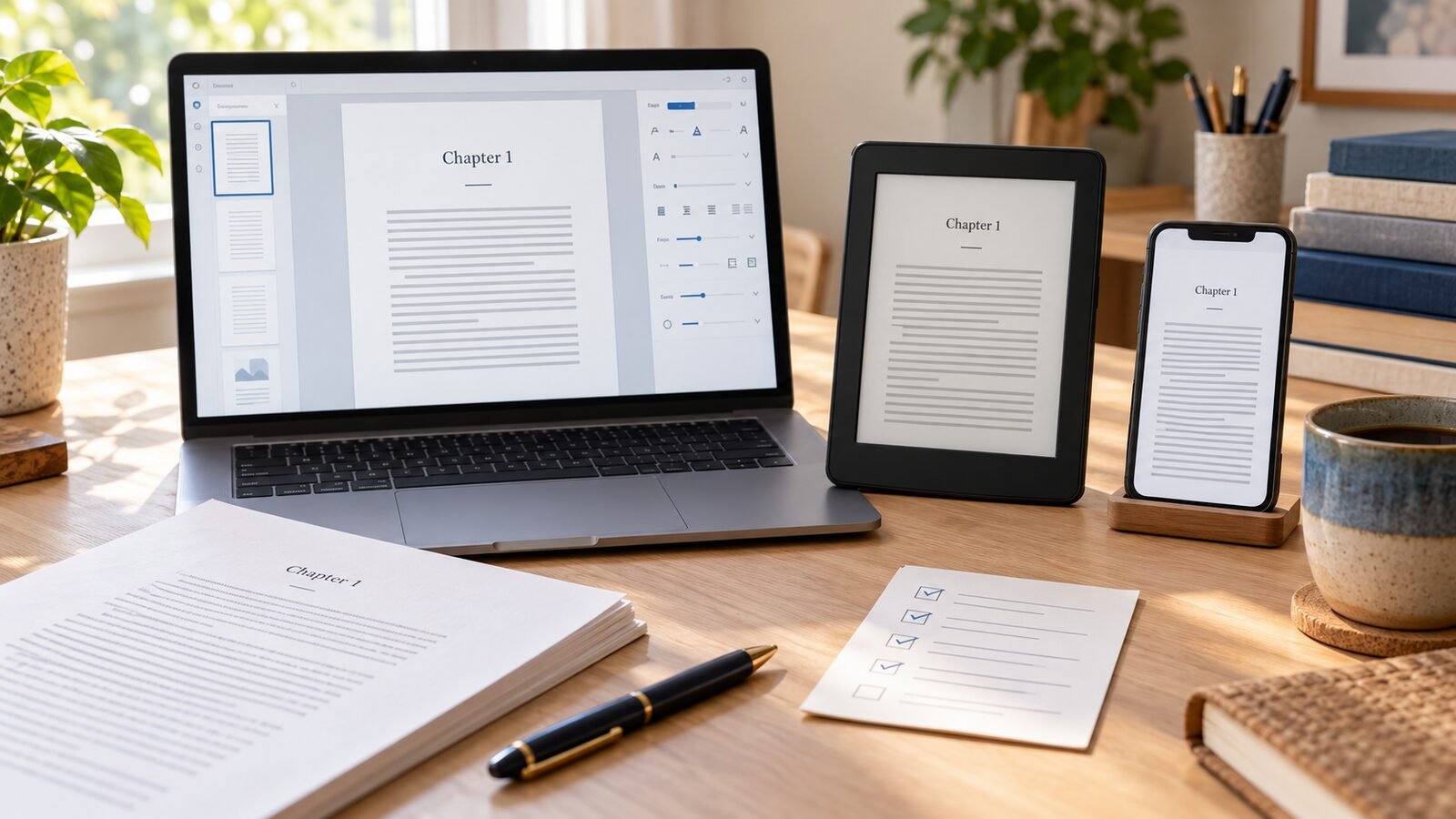
- Open each email on a phone and desktop.
- Click every download, retailer, survey, and preference link.
- Confirm that replies reach an inbox you monitor.
- Use the unsubscribe link and verify that the address stops receiving marketing emails.
- Check delays, time zones, sender names, subject lines, and preview text.
Review clicks, replies, bounces, spam complaints, and unsubscribes after enough readers have completed the sequence. A weak result does not always require another email. It may call for a clearer signup promise, a better first download, fewer competing links, or a slower pace.
A welcome sequence works best when it feels like guided orientation rather than a compressed launch campaign. Deliver the promised value first, help readers find the right book, invite a genuine response, and then continue with the useful, consistent newsletter they agreed to receive.