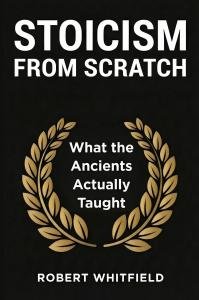

STOICISM FROM SCRATCH by Robert Whitfield Pic 1
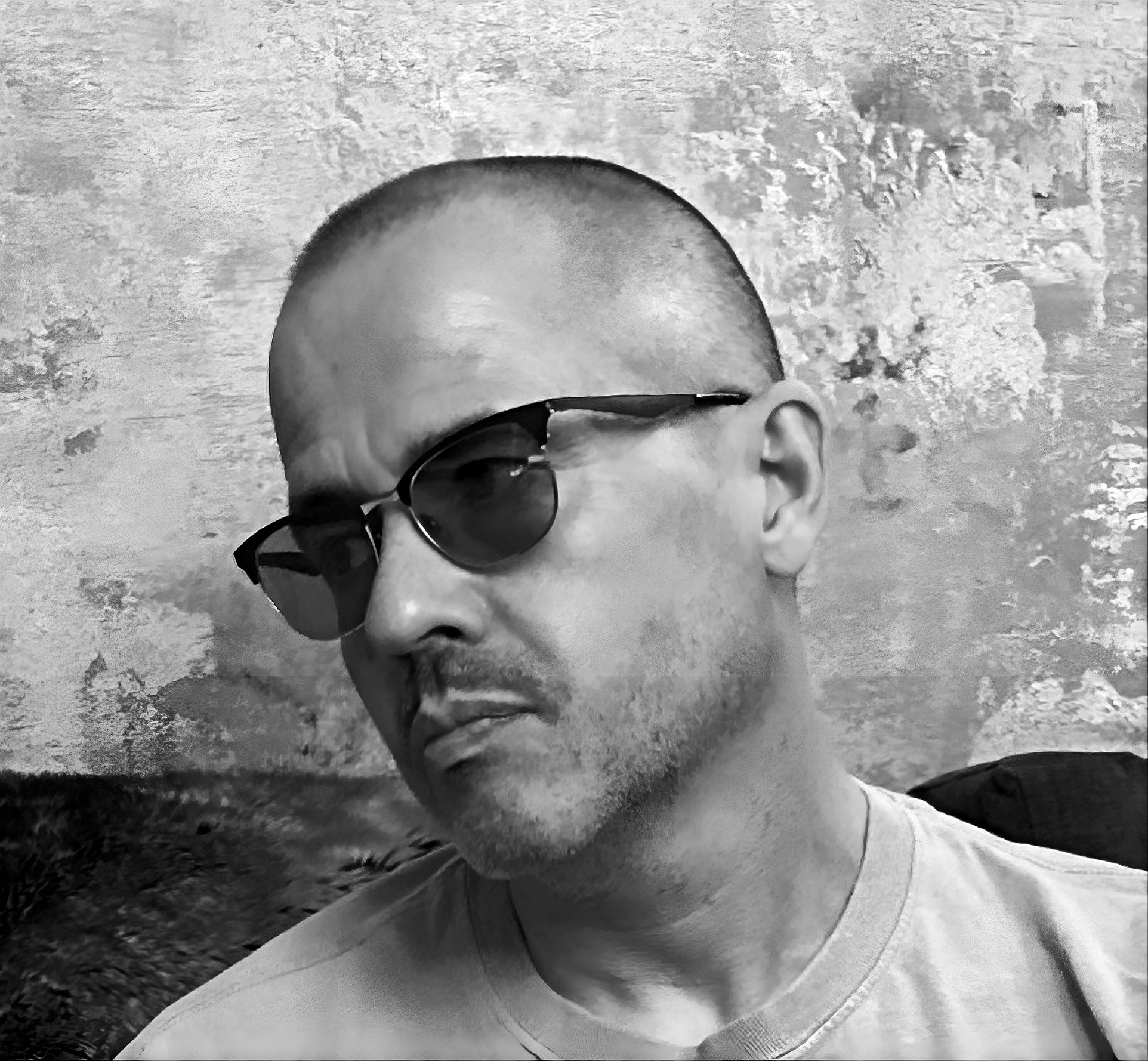
STOICISM FROM SCRATCH by Robert Whitfield Pic 2
NEW YORK, NY, UNITED STATES, October 26, 2026 /EINPresswire.com/ — Robert Whitfield, an author who has studied Stoicism for over two decades, has released STOICISM FROM SCRATCH: What the Ancients Actually Taught. The 119-page book was published independently in October 2026. It goes back to the teachings of Epictetus, Marcus Aurelius, Seneca, and Musonius Rufus.
Availability
STOICISM FROM SCRATCH: What the Ancients Actually Taught is available in Kindle edition and paperback edition on Amazon: https://www.amazon.com/dp/B0HNDVRT72
The paperback edition came out on October 14, 2026, and the Kindle edition followed on October 17, 2026.
Returning Stoicism to Its Original Purpose
Written in plain English, Robert’s book presents Stoicism as a practical philosophy to live by. It clears away jargon and dated translations so that a complete beginner can follow the ideas from the ground up.
Across an introduction and 14 chapters, readers explore what is up to them and what is not, how wanting shapes happiness, and how to catch a judgment/story before it takes over. Later chapters turn to other people, loss and death, fame, possessions, and money. The book also replaces the church word “virtue” with “excellence” (a thing being good at what it is) and the damaged word “temperance” with “self-control.”
Real lives give these lessons weight. Epictetus was born a slave and became a great teacher of freedom. Marcus Aurelius ruled Rome through plague, war on the northern border, and the betrayal of a trusted general. At night, in an army camp, he wrote notes to himself to keep from turning bitter. These notes became Meditations.
“The philosophy does not work because you understood it. It works because you ran it,” said Robert, author of STOICISM FROM SCRATCH. “It was made for the worst day, by people who were having it.”
Practical Ideas for Everyday Life
A central theme is how easily happiness ends up in other people’s hands. In the book’s examples, a stranger’s comment can run a person’s day, a possible promotion can run a week, and one unanswered message can run a night. Robert shows readers how to take that control back.
Negative visualization is one of the tools he teaches to counter hedonic adaptation—the tendency to grow accustomed to what we have, so getting more only satisfies us for a while. By imagining the loss of things they take for granted, and sometimes deliberately going without them, readers can rekindle their appreciation for the life they already have.
For the evening review, Robert uses the image of a coach watching game film with a player. The goal is to learn from the day’s slips without turning each mistake into a verdict on personal worth.
The final chapter, “Where to Start Tomorrow,” gives readers a simple plan that begins with a single habit. A glossary of Stoic terms and a reading guide follow. The book closes with samples of Robert’s own renderings of the Enchiridion and Meditations, plus a preview of Becoming a Stoic: How to Stop Letting Things Get to You.
About the Author
Robert has studied Stoicism for more than two decades. He spent over ten years working on Epictetus: The Enchiridion, or Stoic Handbook, and Marcus Aurelius: Meditations, sifting through classic translations to produce his own rendering of each work. He is also the author of the young adult book Becoming a Stoic: How to Stop Letting Things Get to You. Robert has a son, Luke, and lives with his family in New York City.
Robert Whitfield
Author of STOICISM FROM SCRATCH
seves.media@gmail.com
Legal Disclaimer:
EIN Presswire provides this news content “as is” without warranty of any kind. We do not accept any responsibility or liability
for the accuracy, content, images, videos, licenses, completeness, legality, or reliability of the information contained in this
article. If you have any complaints or copyright issues related to this article, kindly contact the author above.


