

Zachary Schwartz

The Economic Blindspot Logo
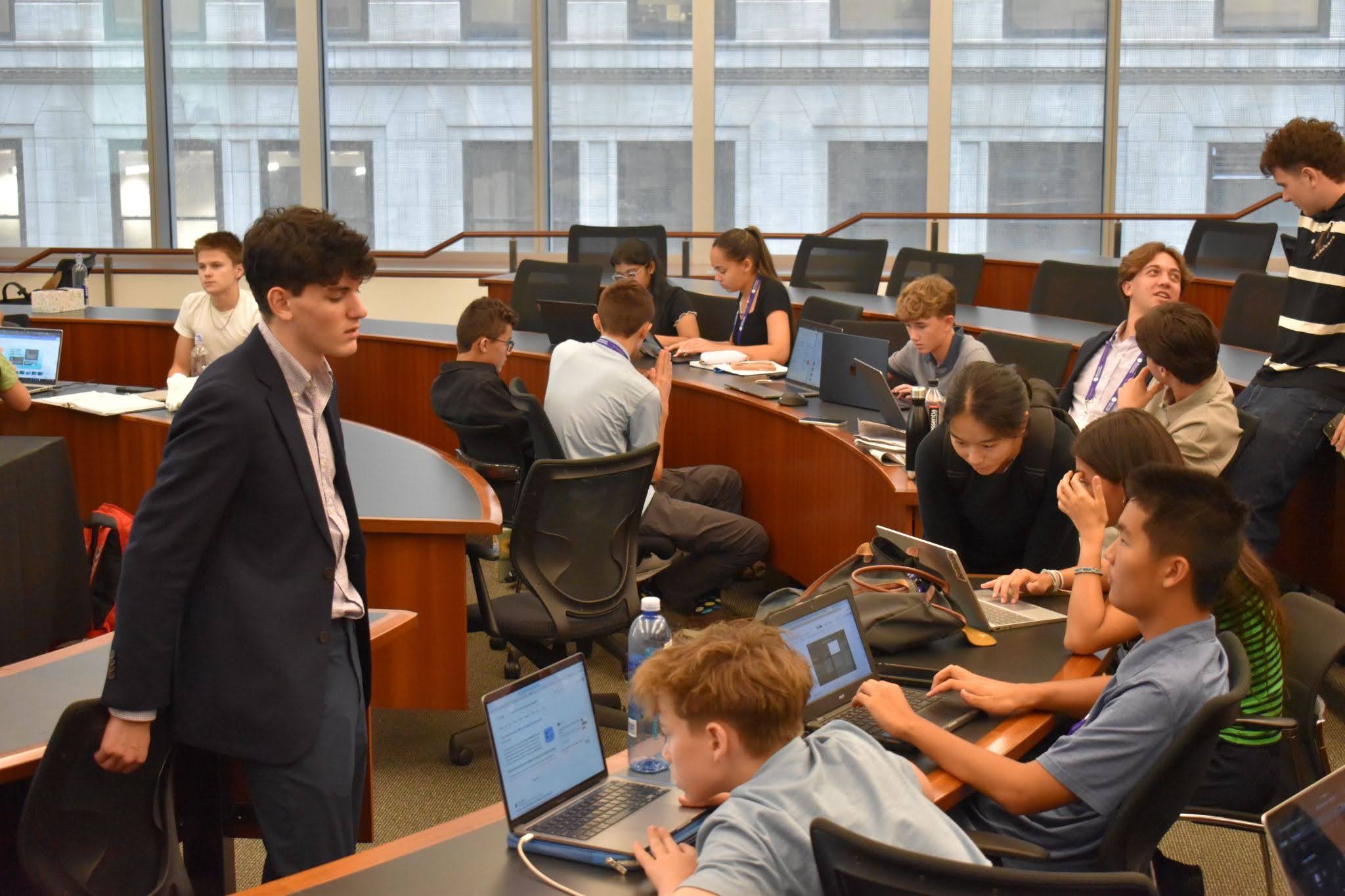
Zachary Schwartz working with students during a financial literacy lesson
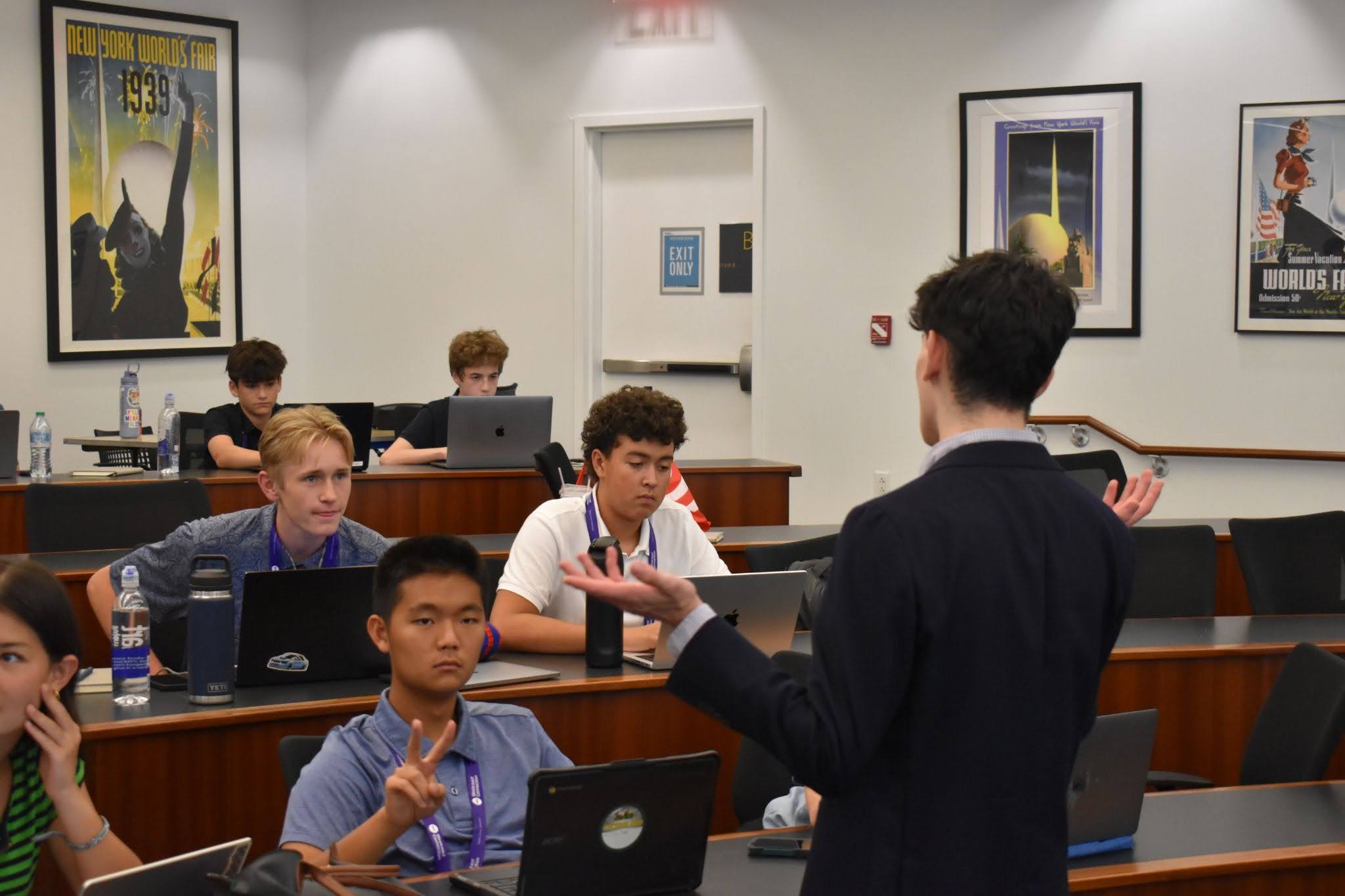
Zachary Schwartz explains financial literacy concepts to student
NEW YORK, NY, UNITED STATES, September 28, 2026 /EINPresswire.com/ — Students can graduate from high school after studying history, science, literature, and math, but still leave without understanding the financial systems that might shape their everyday lives. In a March 2026 U.S. News survey, 59% of consumers did not know that FICO scores are what lenders use to judge creditworthiness, up from 53% the year before. The Consumer Financial Protection Bureau also estimates that about one in ten American adults has a credit record that is either too limited or too outdated to produce a credit score. For Zachary Schwartz, a high school student with a long-standing interest in finance, those numbers pointed to a larger issue in which young people are often expected to make financial decisions before they have been taught how the systems around them actually work.
Schwartz saw a “blind spot” between how much financial systems affect people and how inconsistently those systems are taught in schools across the United States. Credit scores, paychecks, loans, investing, taxes, and interest rates can affect what people pay, what opportunities they can access, and how prepared they feel to make decisions. They can also shape everyday questions students may not know how to answer, from how credit scores are built to why a paycheck is smaller than a salary or what a loan costs once interest begins to accrue. Schwartz wanted to help close that gap by creating a resource that explains financial topics before young people are forced to learn them through expensive or long-lasting mistakes.
That resource became The Economic Blindspot, a free financial literacy publication dedicated to making economics, markets, and personal finance easier to understand. The publication covers personal finance, markets, and economics through articles, e-books, Instagram posts, explanation videos, and a state-by-state financial literacy policy tracker available on www.economicblindspot.com. Schwartz aims the content at young adults and students, but by keeping the publication digital, clear, and easy to access, he hopes to remove barriers that can make financial education feel reserved for people who already have prior knowledge of finance.
Schwartz brought years of personal interest and hands-on experience in finance into the creation of The Economic Blindspot. He began doing stock market simulations in fourth grade and continued building his understanding of markets and economics through coursework, internships, and real-world experience. In 2025, he completed an introductory finance and economics course through the New York Institute of Finance and was asked to return as a Teaching Assistant and Summer Intern for its Wall Street stock market program, where he taught more than 150 students from over 15 countries. That same summer, Schwartz also gained hands-on experience in the finance industry through an internship in asset development, financing, and selection at a biotech hedge fund. He also teaches financial literacy through the Junior Economic Club of New York City’s High Returns program, working with students in Harlem on topics including taxes, basic finance, and investing.
Ashley Battaglia, Vice President of Partnerships and Business Development at the New York Institute of Finance, worked with Schwartz during his time as a Teaching Assistant and Summer Intern. When reflecting on their work together, Battaglia shared, “Zachary’s contributions to the program were truly invaluable. From day one, he was proactive in working with the students, helping facilitate group activities, and making sure everyone felt supported.”
One of Schwartz’s biggest focuses through The Economic Blindspot has been helping students understand credit. His e-book, Your Credit Score Controls Your Life: Here’s How to Manage It, explains credit fundamentals, why credit scores matter, and how financial decisions can affect people long after they are made. Rather than sharing definitions alone, Schwartz designed the e-book around situations people may actually face, including opening a first credit card, missing a payment, or taking out a car loan. He then shared the e-book as a free classroom resource with 750 superintendents across New York, New Jersey, Connecticut, South Carolina, and Florida, representing school districts that collectively serve more than three million students.
Schwartz is currently expanding The Economic Blindspot through an A-to-Z e-book series, with Your Credit Score Controls Your Life: Here’s How to Manage It serving as the first guide in the 26-part collection. Each guide will focus on a different financial literacy topic, from APR to compound interest. Schwartz intends for each guide to serve as the foundation for an in-person class, allowing students to work through the same practical financial situations covered in the e-books.
As The Economic Blindspot continues to grow, Schwartz also plans to launch a weekly newsletter covering the stock market, market trends, and broader economic analysis. He is also using The Economic Blindspot to track financial literacy education requirements across the country. The publication’s State Financial Literacy Policy Tracker covers all 50 states and Washington, D.C., showing whether each state requires a personal finance class, how strong the requirement is, and whether it applies to a student’s graduating class. By organizing the information by requirement level, the tracker helps students, families, and educators see where personal finance education is guaranteed, where it is still developing, and where gaps remain.
To support Zachary Schwartz and The Economic Blindspot, visit www.economicblindspot.com to read the publication’s articles and e-books or view the State Financial Literacy Policy Tracker. Schools interested in a financial literacy session, and anyone with questions about the publication, can contact theeconomicblindspot@gmail.com or follow @theeconomicblindspot on Instagram.
About Zachary Schwartz
Zachary Schwartz is a student at Columbia Grammar and Preparatory School in New York City. He is Co-President of the Math Club and Analytics Club, a member of the Social Impact Investing Club, a student ambassador, a tennis player, and a trumpet player. Schwartz is also the Co-Founder and CFO of LevoZ Labs, an AI clothing software company where he helps lead revenue modeling, pricing strategy, and investor relations.
Contact
Zachary Schwartz
theeconomicblindspot@gmail.com
Paige Torres
SBU PR
publicrelations@studentbrandingu.com
Legal Disclaimer:
EIN Presswire provides this news content “as is” without warranty of any kind. We do not accept any responsibility or liability
for the accuracy, content, images, videos, licenses, completeness, legality, or reliability of the information contained in this
article. If you have any complaints or copyright issues related to this article, kindly contact the author above.