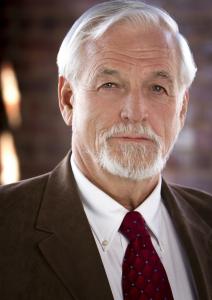
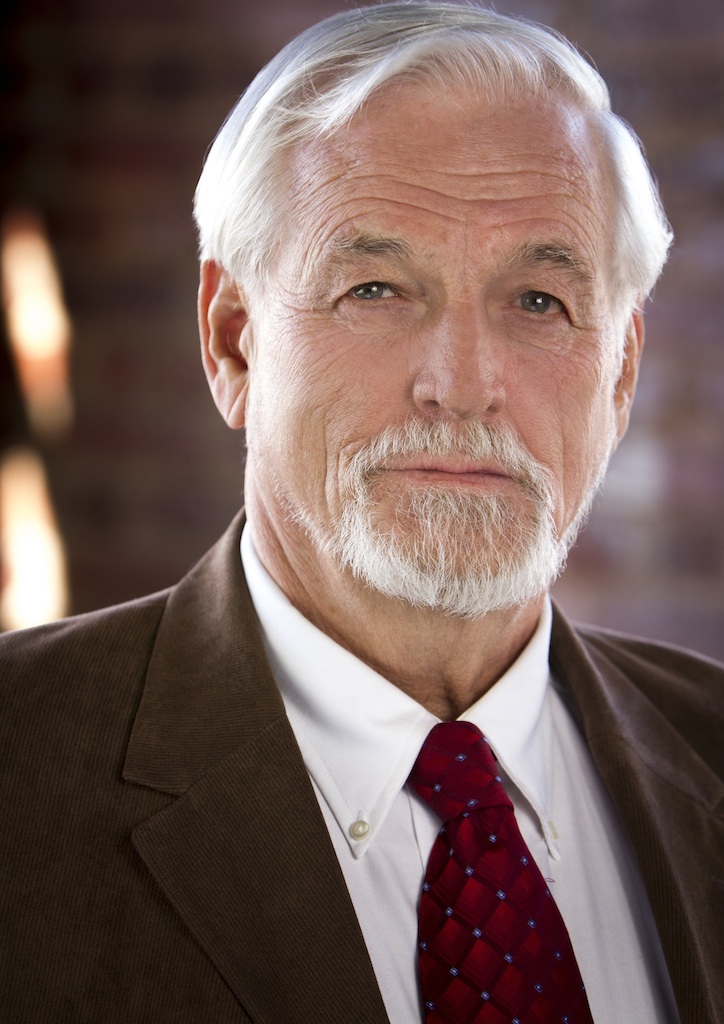
Robert Mitchell, author of “Education and the Culture of Democracy With a K-12 Curriculum Outline,” forthcoming April 5, 2026
In “Education and the Culture of Democracy With a K-12 Curriculum Outline,” Robert Mitchell explores how cultural education can address our social divisions.
CAPITOLA, CA, UNITED STATES, March 31, 2026 /EINPresswire.com/ — As debates over civic education and national identity continue across the United States, a new book by retired educator Robert Mitchell argues that the future of American democracy may depend on how schools teach culture, identity and civic responsibility.
In “Education and the Culture of Democracy With a K-12 Curriculum Outline,” a new book releasing on April 5, 2026, from Strategic Book Publishing, Mitchell examines the philosophical roots of democratic culture and proposes a comprehensive K–12 curriculum aimed at helping students develop a deeper understanding of democratic values and individual responsibility.
The book approaches democracy not only as a social-political system but as a cultural framework that shapes the character of citizens and the identity of the nation. Mitchell argues that education plays a central role in cultivating the cultural foundations that allow democracy to function.
“The spiritual foundation of a culture of democracy is not a religious ideology but the sanctity of the individual personality,” Mitchell writes. In the classroom, he suggests, students should explore how different cultural and religious traditions express respect for the sanctity, dignity and individuality of each person.
EXPLORING THE CULTURAL FOUNDATIONS OF DEMOCRACY
The book is organized into three sections that examine the historical, philosophical and educational dimensions of democratic culture.
In the first section, Mitchell traces the roots of our democratic culture to the ancient Greek and Native American cultures of democracy. These models, he argues, emphasize the dignity of the individual and the relationship between spirituality, culture and civic life.
Mitchell connects these traditions to later thinkers and writers — including William James and nineteenth-century American transcendentalists — who explored the role of personal character and spiritual experience in democratic society.
CULTURE, IDENTITY AND THE ROLE OF SCHOOLS
The book’s second section examines how education helps shape cultural identity. Drawing on the work of poet and philosopher T. S. Eliot, Mitchell analyzes how culture develops at three interconnected levels: the national culture, ethnic and religious group cultural identity, and the identity of the individual.
Mitchell argues that modern debates over education policy often reflect deeper disagreements about our democratic national identity and Christian nationalism. But secularism isn’t the answer, he says.
“The current debate over education reflects a larger cultural question: whether our national identity will be defined by a single religious framework or by a secular, materialist vision,” says Mitchell. “Both approaches risk narrowing our understanding of democracy. A true culture of democracy is not rooted in ideology, but in the recognition of the sanctity of each individual — a principle that can unite us across differences.”
A CURRICULUM FOR DEMOCRATIC CULTURE
In the book’s final section, Mitchell outlines a proposed cultural education curriculum spanning kindergarten through twelfth grade.
The framework organizes learning around stages of child development and emphasizes the importance of integrating cultural subjects — including history, literature, religion and the arts — alongside STEM disciplines.
Mitchell believes such an approach can help students understand the cultural foundations of democratic society while developing a balanced sense of personal identity.
“I wanted to do more than provide an intellectual argument in this book,” says Mitchell. “I wanted to create an age-appropriate, accessible curriculum that addresses the topic directly with students.” Mitchell’s book further explains his approach to bringing the topic into the classroom: “The teacher’s objective is to help the students find the balance between soul and ego,” so that individual personality is not shaped solely by ideological or social pressures.
A TIMELY CONTRIBUTION TO THE CONVERSATION ON EDUCATION
Educator Petra S. Otero, Ed.D., who has taught elementary school for more than 30 years, praised the book for addressing the challenges facing contemporary education.
“Mitchell has written a very unique and timely book in the field of education that speaks to how we can begin to heal from the present divisiveness so prevalent in our society,” Otero said. “This book is not only thought provoking for teachers, but is also practical in that Mitchell offers a cultural education curriculum from kindergarten to twelfth grade that lays the foundation for a democratic consciousness to become a reality for future generations.”
ABOUT ROBERT MITCHELL
Robert Mitchell is a Vietnam War combat veteran and retired secondary school educator whose 27 years in the classroom grew directly from a 12-year journey of healing and transformation. His five books form a continuous arc from warrior spirit to democratic educator, rooted in Jungian psychology, depth philosophy and a lifetime of firsthand experience with what the classroom demands of the human soul. For more information, please visit https://sbprabooks.com/robertmitchell/.
His latest book, “Education and the Culture of Democracy With a K-12 Curriculum Outline,” will be published on April 5, 2026, by Strategic Book Publishing.
Robert Mitchell
Author
robert.l.mitchell2@gmail.com
Legal Disclaimer:
EIN Presswire provides this news content “as is” without warranty of any kind. We do not accept any responsibility or liability
for the accuracy, content, images, videos, licenses, completeness, legality, or reliability of the information contained in this
article. If you have any complaints or copyright issues related to this article, kindly contact the author above.