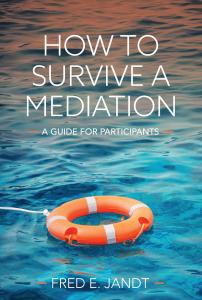
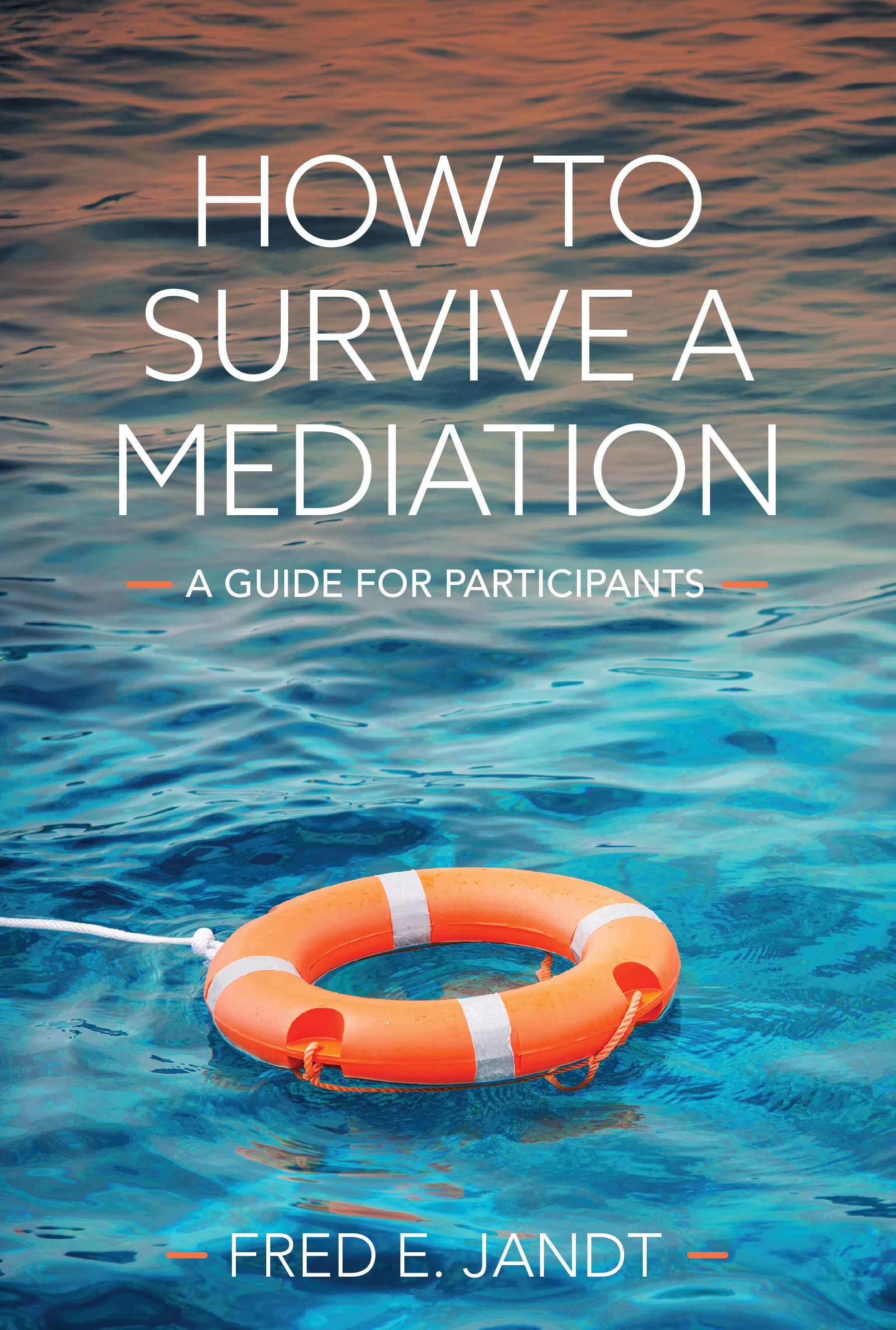
“How to Survive a Mediation: A Guide for Participants” by Fred E. Jandt

Fred E. Jandt, author of “How to Survive a Mediation: A Guide for Participants”
Author and mediation expert Fred E. Jandt offers practical guidance for individuals navigating an increasingly common dispute-resolution process
PALM SPRINGS, CA, UNITED STATES, January 22, 2026 /EINPresswire.com/ — As courts, businesses and families increasingly turn to mediation instead of litigation, many participants enter the process uncertain about what to expect or how to advocate for their own interests. A new book by veteran mediator and scholar Fred E. Jandt aims to close that gap.
In “How to Survive a Mediation: A Guide for Participants,” Jandt provides a clear, step-by-step roadmap designed specifically for people in mediation — not lawyers or mediators. The book explains how mediation works, how to prepare effectively and how participants can engage in the process in ways that increase the likelihood of a durable, mutually satisfactory agreement.
“Mediation is not about proving someone wrong,” Jandt says. “It is about understanding interests, communicating clearly and participating actively in shaping an outcome you can live with.”
Mediation is a form of alternative dispute resolution (ADR) in which a neutral third party facilitates communication between disputing parties but does not impose a decision. Unlike courtroom litigation, mediation emphasizes confidentiality, collaboration and voluntary agreement. As legal systems seek faster and less adversarial approaches to resolving disputes, mediation is now commonly used in family matters, workplace conflicts, business disputes and community disagreements.
“The reality is that more disputes are being referred to mediation than ever before,” Jandt notes. “Yet participants are often expected to make critical decisions with very little preparation or understanding of the process. I wrote this book to give them that knowledge.”
Drawing on decades of experience as both a mediator and mediation trainer, Jandt walks readers through each stage of mediation, explaining what mediators can and cannot do, how power dynamics emerge and how participants can remain focused on their goals rather than positions. The book emphasizes self-determination — a core principle of mediation — and encourages readers to see themselves as active problem-solvers rather than passive attendees.
Reviewers within the mediation and legal communities praise the book for addressing a long-overlooked audience.
“This book fills a critical gap in the ADR literature by addressing the single most important, but overlooked, constituency in the mediation process — the parties themselves,” writes Richard Lutringer, A.B., J.D., M.C.L. and Certified Commercial Mediator. “If parties are to exercise true self-determination, how can they be expected to make informed choices as to both process and substance on the basis of a brief mediator’s introduction at the very moment they are facing an unknown and often highly emotional challenge? … This book takes a giant step in providing that knowledge.”
Michael Whelan, J.D., a member of several professional bodies for arbitrators, echoes that sentiment. “One of the most common challenges I have encountered during mediation — both as a party representative and a mediator — is the reluctance or aversion that many participants have toward the process, often making it more difficult to reach a successful and productive resolution,” Whelan writes. “Dr. Jandt addresses this head-on, offering practical insights and strategies for navigating mediation with confidence, and he does so in an easily relatable style.”
Jandt is uniquely positioned to guide readers through this terrain. A Professor Emeritus of Communication Studies and former dean of California State University’s Palm Desert Campus, he is one of the first scholars to introduce the formal study of conflict into the communication discipline. He is the author of more than 30 books, including “Conflict and Communication” and “Win-Win Negotiating,” and has trained mediators and conflict-management professionals for hundreds of organizations, from government agencies to major corporations.
“Mediation works best when participants feel heard, respected and prepared,” Jandt says. “My goal is to demystify the process so people can engage with confidence instead of fear.”
“How to Survive a Mediation: A Guide for Participants” is available from Cognella Press, Amazon and other online book retailers.
ABOUT FRED E. JANDT
Fred E. Jandt is a nationally recognized scholar, author and mediator specializing in conflict resolution, communication and mediation training. He has spent decades teaching, writing and working directly with individuals and organizations to resolve disputes constructively.
Fred E. Jandt
Author, How to Survive a Mediation
fredjandt@yahoo.com
Legal Disclaimer:
EIN Presswire provides this news content “as is” without warranty of any kind. We do not accept any responsibility or liability
for the accuracy, content, images, videos, licenses, completeness, legality, or reliability of the information contained in this
article. If you have any complaints or copyright issues related to this article, kindly contact the author above.