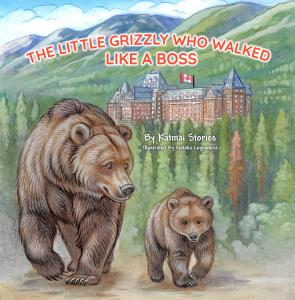
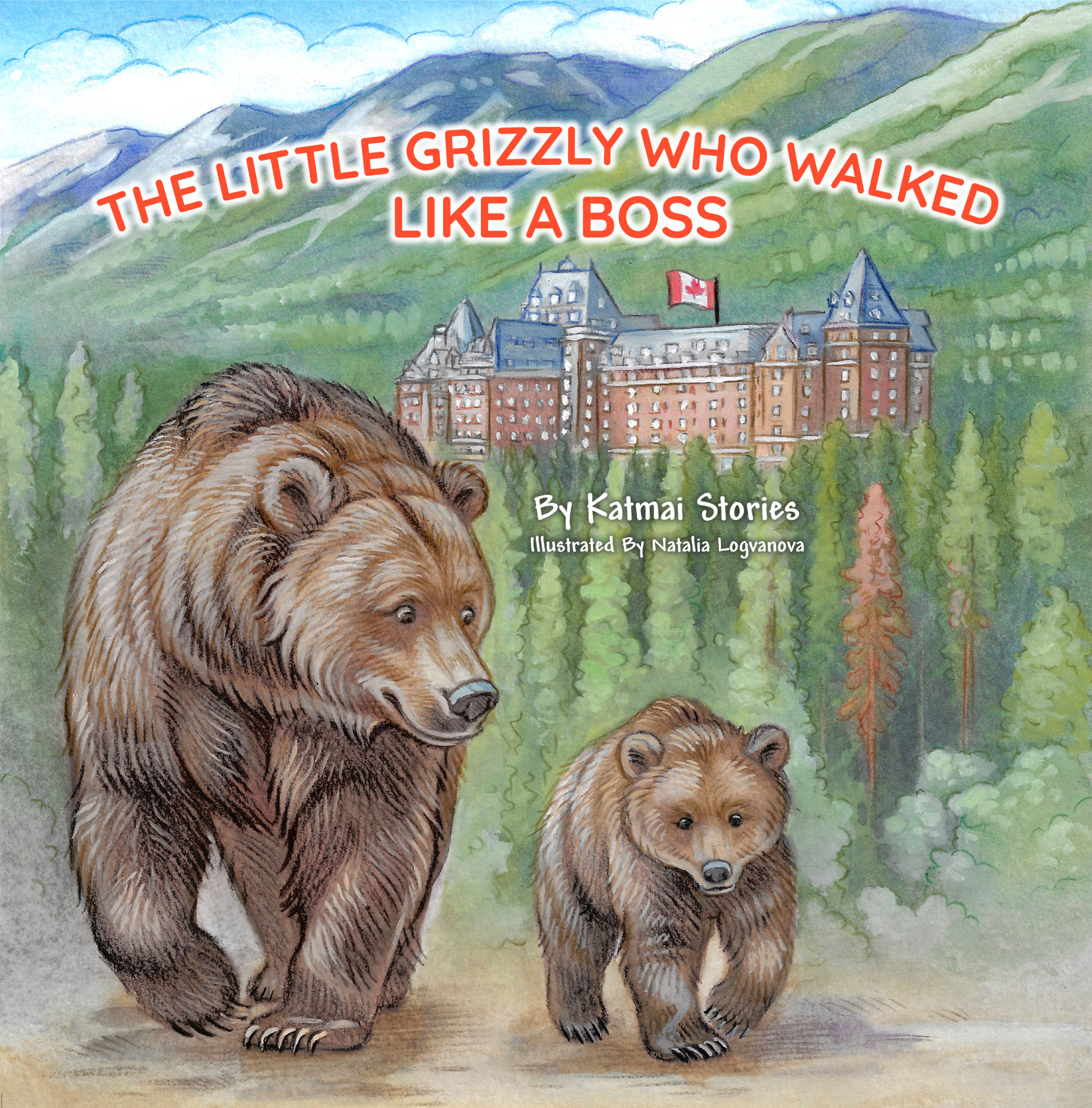
Little Grizzly Who Walked Like a Boss Book Cover
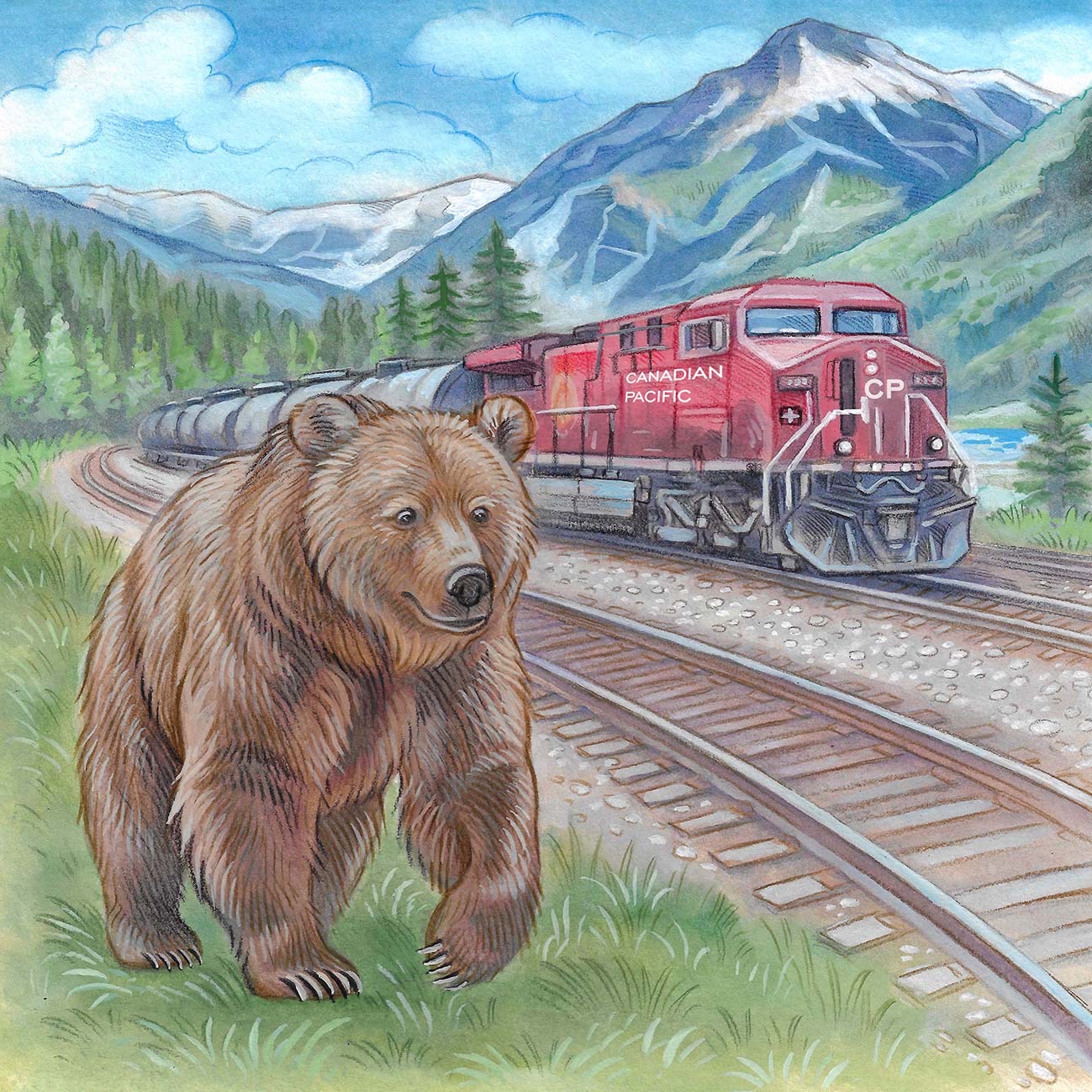
Boss Bear with the Train Book Illustration
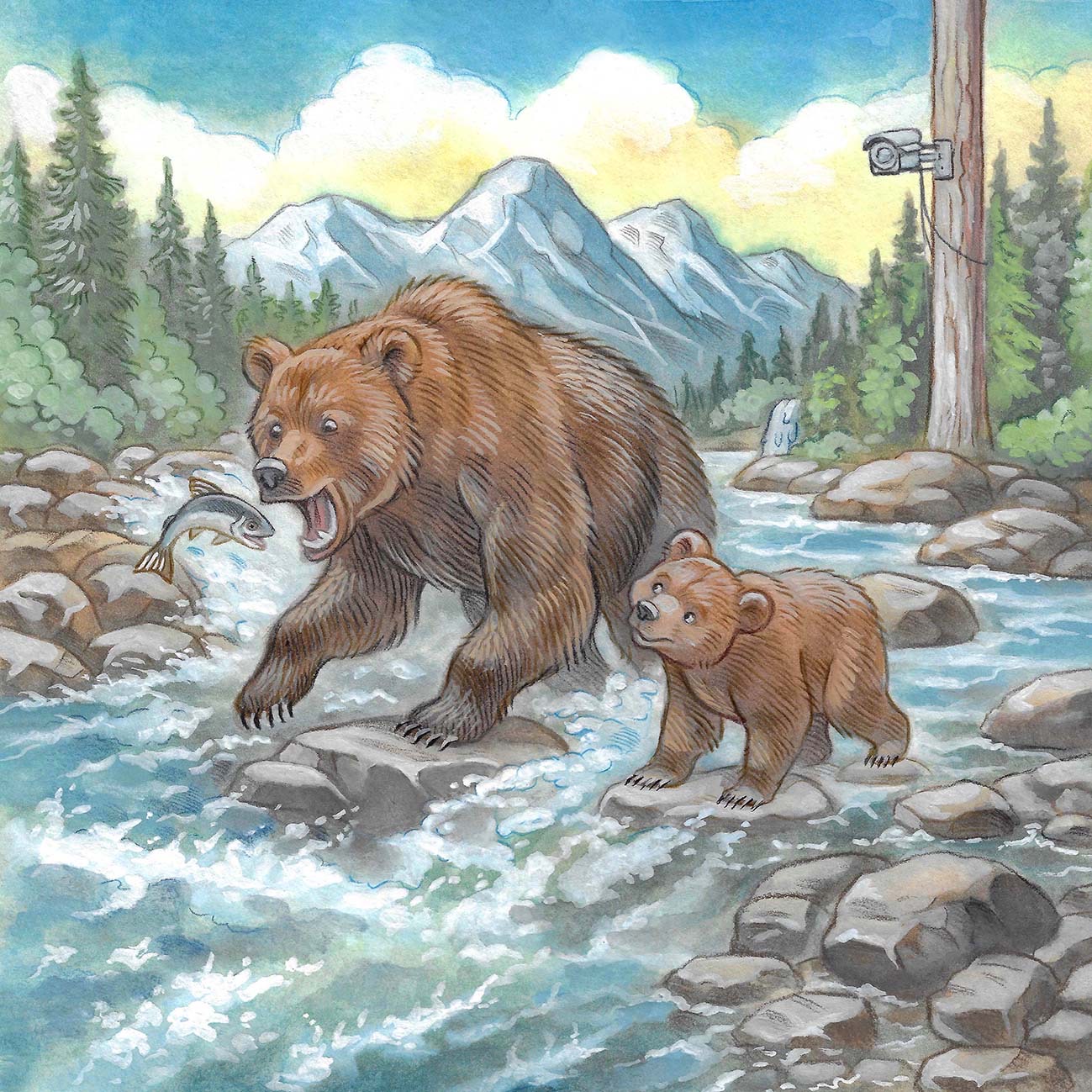
Brown Bears Fishing in Katmai National Park
A real grizzly’s spring awakening highlights a timely children’s book teaching bear safety, wildlife respect, and national park awareness.
BANFF, ALBERTA, CANADA, March 30, 2026 /EINPresswire.com/ — As spring arrives across North America, grizzly and brown bears are beginning to emerge from winter hibernation, signaling the start of bear season across many of the continent’s most iconic wild landscapes.
Wildlife officials have reported early grizzly activity in parts of the Greater Yellowstone Ecosystem, often among the first regions in the Rocky Mountains to see bears emerge each year. On March 27, 2026, Banff National Park’s well‑known grizzly, Boss (Bear 122), has also been confirmed active following winter hibernation, marking the seasonal return of bears to Canadian Rocky Mountain Parks.
From Western and Northern Canada to Alaska and Western U.S. states including Montana, Wyoming, Idaho, and Washington, spring emergence brings bears back into view as they search for food after months of denning. For communities near wild spaces and families planning visits to national parks, the return of bears serves as an important reminder of the need for bear awareness, wildlife safety, and respectful behavior in bear country.
Wildlife agencies throughout North America consistently emphasize that spring is a critical period for reducing human–bear conflict. Bears emerging from hibernation are highly motivated to find food, while people increasingly return to hiking trails, campgrounds, and scenic roadways. Proper management of attractants, understanding bear behavior, maintaining safe distances, and teaching children appropriate outdoor etiquette are key components of keeping both people and wildlife safe.
For many families, these conversations begin early. Children’s author Victoria Tudor supports bear awareness education through storytelling in her book The Little Grizzly Who Walked Like a Boss, part of the National Park Bear Adventures children’s book series.
Inspired by real bears and real national parks, the story is set in Banff National Park and follows a young grizzly cub learning how to navigate the mountain environment alongside his mother. While gentle and imaginative in tone, the narrative reflects real‑world wildlife behaviors and reinforces the importance of giving animals space and observing them respectfully.
“Spring is when children are eager to spend more time outdoors, and it’s also when bears become more active,” said Tudor. “Stories can help families talk about bear safety in a way that feels natural and reassuring, while reinforcing that bears are not characters to fear, but wild animals that deserve understanding, space and respect.”
Designed for children ages 4–12, The Little Grizzly Who Walked Like a Boss blends storytelling with age‑appropriate educational themes, including:
Bear behavior and seasonal habits
Wildlife safety and park awareness concepts
Respectful observation of animals from a distance
Appreciation for protected landscapes and national parks.
The book also highlights iconic Banff locations and encourages families to view wildlife responsibly through park‑provided resources such as live wildlife cameras, rather than seeking close encounters.
The National Park Bear Adventures series blends fiction with real‑world inspiration to support environmental literacy among young readers. The books are frequently used by parents, educators, and caregivers as tools to introduce wildlife awareness, conservation, and responsible outdoor recreation particularly for families who live in or travel through bear country across Canada and the Western United States.
National parks and protected lands play a critical role in sustaining healthy bear populations on both sides of the border. Parks such as Banff, Yellowstone, Denali, and others preserve migration corridors, food sources, and ecosystem balance while welcoming millions of visitors each year. Public education is increasingly recognized as an essential part of conservation, helping people and wildlife successfully share these spaces.
The spring emergence of bears like Boss (Bear 122) draws attention not only to individual animals, but also to the broader responsibility of stewardship of wild places. By connecting real‑world wildlife events with children’s education, nature‑based stories help reinforce long‑term conservation values and safe outdoor habits from an early age.
The Little Grizzly Who Walked Like a Boss is available through major retailers and select independent bookstores in Banff, Calgary, and Canmore, with Canadian distribution through Alpine Book Peddlers and international distribution through Ingram. The book is suitable for classroom reading, family learning, and vacation preparation for those visiting national parks throughout North America.
As bear season continues across the continent, families are encouraged to follow guidance from local wildlife officials and park authorities, and to foster respectful outdoor behavior in young explorers. Each spring’s return of bears offers an opportunity not only for observation, but for education, responsibility, and renewed appreciation for the natural world.
About the National Park Bear Adventures Series
The National Park Bear Adventures series is a collection of children’s books inspired by real bears and real national parks across North America. Aimed at children of various ages the series blends storytelling with educational themes focused on bear behavior, safety, conservation, and respect for wildlife.
About the Author
Victoria Tudor is a children’s book author with a deep appreciation for North America’s wild places, particularly in Canada and Alaska. Through her work, she combines fiction and nonfiction elements to help young readers connect with wildlife while learning age‑appropriate lessons about conservation, coexistence, and respect for nature.
📩 Media Contact:
Victoria Tudor
admin@katmaistories.com
Victoria Tudor
Katmai Stories LLC
admin@katmaistories.com
Visit us on social media:
Instagram
Facebook
Legal Disclaimer:
EIN Presswire provides this news content “as is” without warranty of any kind. We do not accept any responsibility or liability
for the accuracy, content, images, videos, licenses, completeness, legality, or reliability of the information contained in this
article. If you have any complaints or copyright issues related to this article, kindly contact the author above.