

Dr. Sylvia Rohde-Liebenau
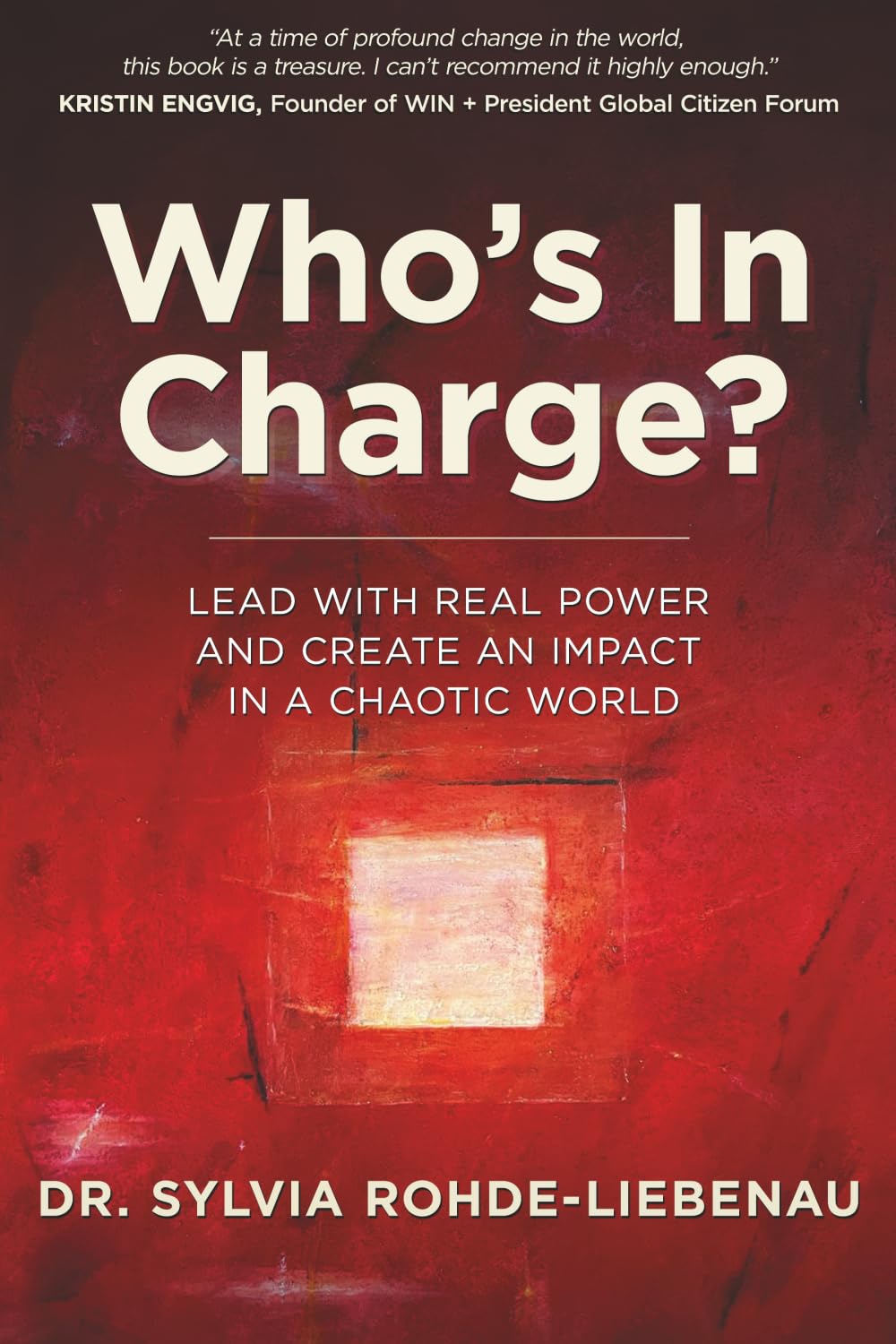
Dr. Sylvia Rohde-Liebenau argues that the Iran conflict highlights a fundamental misunderstanding of power in modern leadership
LOS ANGELES, CA, UNITED STATES, April 9, 2026 /EINPresswire.com/ — Dr. Sylvia Rohde-Liebenau, author of Who’s in Charge? and creator of SMART© Power, emphasises that leadership success needs a clear understanding of how power functions in practice – distinguishing power from mere force. She argues that the Iran conflict is not only a geopolitical crisis, but also a test case of how leadership can misunderstand and misapply power.
“We can see how the absence of a clear purpose and coherent strategy undermines power. While superior U.S. military force has delivered tactical wins, it has failed to achieve strategic gains. When there is no clear intention, the use of force is bound to create unintended outcomes, ultimately diminishing power. Power needs purpose,” says Rohde-Liebenau.
According to Dr. Widyane Hamdach in an article published by Georgetown University, the military objectives of the conflict included deterring Iran from acquiring nuclear weapons, destroying missile sites, degrading proxy networks, and neutralizing its navy. However, a clear (political) end goal was lacking. Following the death of Iranian Supreme Leader Ayatollah Ali Khamenei and other key figures, the regime did not collapse but unsurprisingly turned to even stiffer resistance. These developments have introduced new instability and are likely to affect not only the region but the global landscape, Rohde-Liebenau notes.
“Another major leadership failure is the assumption that impact can be localised and contained. In a deeply interconnected world, there is hardly ever any ‘local’ use of power. Every action creates ripple effects. Ignoring the system comes at a cost: what leaders choose not to see will ultimately push back, while their ability to influence outcomes diminishes. Leadership power requires systems thinking,” Rohde-Liebenau explains.
As the world watches, the conflict raises a critical and unresolved question: how will it end? Hamdach argues that wars must ultimately be judged by whether policymakers can achieve a stable and acceptable outcome. Long-term stability depends on diplomacy, regional cooperation, and political legitimacy.
“We also see that while maximum force and threats can create short-term advantage, they often strengthen resistance rather than resolve it,” Rohde-Liebenau concludes. “As history shows, and as we are seeing in Iran, confusing force with power invites resistance, makes goals harder to achieve, and undermines legitimacy and, ultimately, power itself. SMART power is guided by a clear purpose, uses systems thinking, and above all, knows the importance of trust-based relationships, collaboration, and alliances. These rules count in business and politics alike”.
About Dr. Sylvia Rohde-Liebenau
Dr. Sylvia Rohde-Liebenau is a leadership expert focused on how power can be used to create meaningful, lasting impact. With a background in political science and law, she earned a PhD in international relations, specialising in the role of civil society in global security. She began her career at the European Commission as a policy expert and programme manager before spending 17 years at the European Investment Bank, where she worked extensively in leadership development, coaching, and organisational change. Drawing on decades of experience, she developed the SMART Power Method, a framework that enables leaders to move beyond traditional authority toward more authentic, collaborative, and sustainable leadership.
To learn more about Rohde-Liebenau and her impactful work, click here: https://www.smartpowermethod.com/
Dr. Sylvia Rohde-Liebenau is available for interviews.
Amanda Kent
Boundless Media USA
+1 313-403-5636
email us here
Legal Disclaimer:
EIN Presswire provides this news content “as is” without warranty of any kind. We do not accept any responsibility or liability
for the accuracy, content, images, videos, licenses, completeness, legality, or reliability of the information contained in this
article. If you have any complaints or copyright issues related to this article, kindly contact the author above.