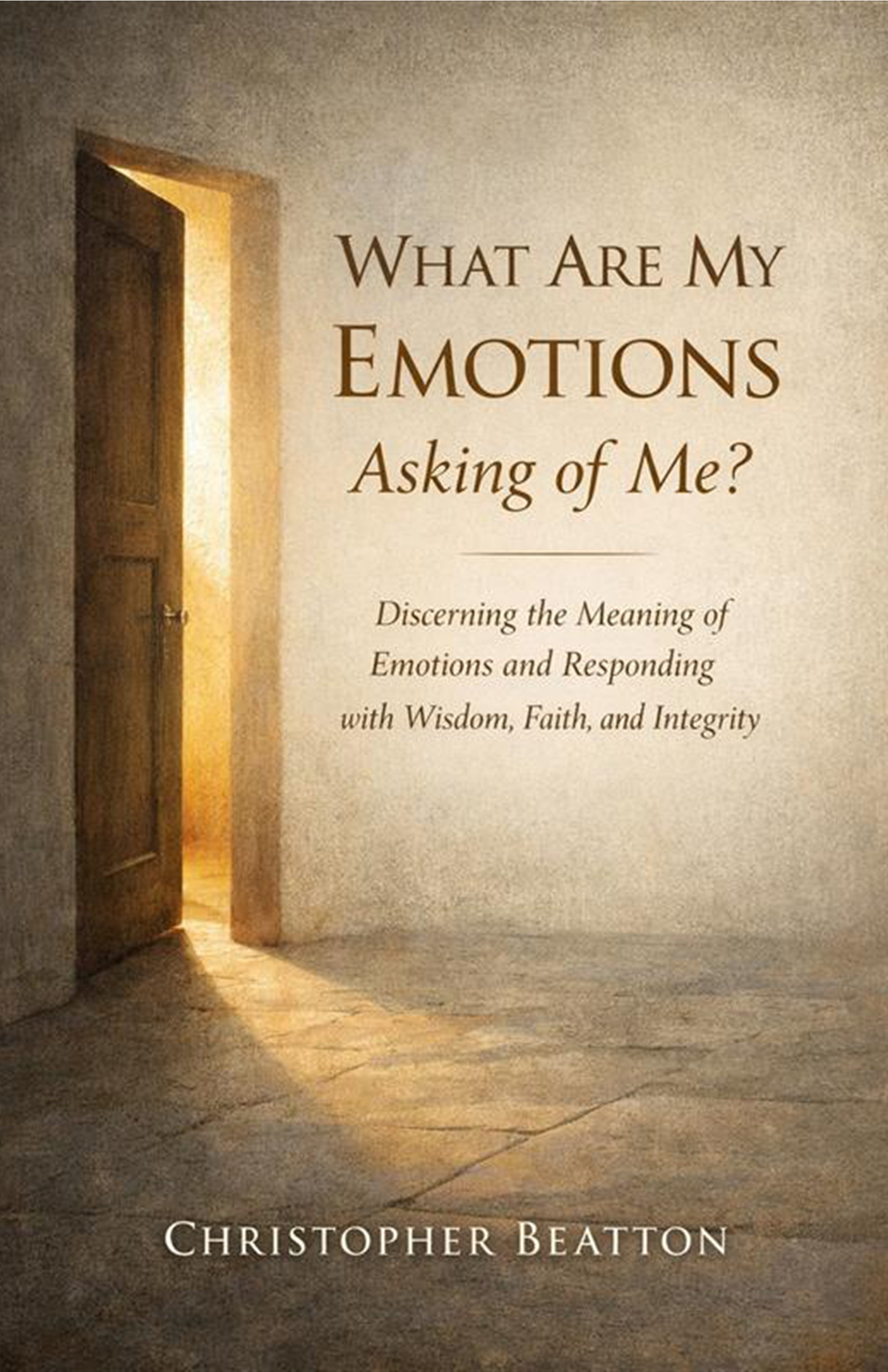
LONDON, UK, UNITED KINGDOM, February 26, 2026 /EINPresswire.com/ — Christopher Beatton’s latest book, What Are My Emotions Asking of Me?, has now been officially published and is available to readers. The book comes after the release of his autobiography in 2024 and continues the personal and spiritual journey he shared with readers.
𝐖𝐡𝐲 𝐓𝐡𝐢𝐬 𝐁𝐨𝐨𝐤 𝐖𝐚𝐬 𝐖𝐫𝐢𝐭𝐭𝐞𝐧
After his autobiography was published, many readers reached out with a similar question. They did not only ask what happened in his life. They asked how he survived emotionally through war, fear, loss, confusion, and spiritual struggle. This new book was written as a response to those questions. Instead of giving quick answers, the author focuses on one central question: What are my emotions asking of me?
The book explains that emotions are not enemies and they are not rulers. They are signals. They show that something important is happening inside us. The real task is to understand what each emotion points to and how to respond wisely and faithfully.
𝐀𝐛𝐨𝐮𝐭 𝐭𝐡𝐞 𝐀𝐮𝐭𝐡𝐨𝐫
As shared in the “About the Author” section, Christopher Beatton was born in Zimbabwe. His early life was shaped by political unrest and civil war. He experienced family struggles and the long-term effects of conflict. Later, he spent nearly two decades in the Unification Church before rebuilding his life through business and personal reflection.
He has experienced both success and failure in entrepreneurship. Over time, his Christian faith became central to his life and writing. He now lives in Camberley, United Kingdom, and continues to write about faith, suffering, and emotional growth.
𝐖𝐡𝐚𝐭 𝐭𝐡𝐞 𝐁𝐨𝐨𝐤 𝐂𝐨𝐯𝐞𝐫𝐬
The book is carefully organized into seven parts. It begins with core emotions such as joy, love, fear, anger, sadness, disgust, and surprise. It then explores more complex emotions, including guilt, shame, hope, jealousy, despair, spiritual grief, and even emotional numbness.
Each chapter follows a clear and steady pattern. First, it explains what the emotion may be indicating. Second, it shows how the emotion can be misunderstood. Third, it offers guidance on what a faithful response might look like in thought, word, and deed.
The writing stays calm and reflective throughout. The author makes it clear that this is not a self-help manual or a therapy guide. It is an invitation to listen more carefully to what is happening inside the heart.
𝐖𝐡𝐨 𝐓𝐡𝐢𝐬 𝐁𝐨𝐨𝐤 𝐈𝐬 𝐅𝐨𝐫
This book is written mainly for adult readers who are walking through pain, change, or deep questions about faith and meaning. It may also be helpful for pastors, caregivers, and anyone who wants a thoughtful way to understand emotions without ignoring faith.
The language is simple and direct. Difficult emotions such as fear, anger, or despair are not treated as signs of failure. Instead, they are seen as part of being human. The book encourages honesty, patience, and steady reflection.
𝐖𝐡𝐚𝐭 𝐌𝐚𝐤𝐞𝐬 𝐈𝐭 𝐃𝐢𝐟𝐟𝐞𝐫𝐞𝐧𝐭
Many books about emotions focus on control or positive thinking. This book takes a different path. It does not tell readers to suppress feelings or blindly follow them. It teaches that emotions give information, but wisdom is needed to respond well.
The strength of the book lies in the author’s lived experience and careful structure. His personal history of war, displacement, faith struggle, and rebuilding life gives depth to the reflections he shares.
What Are My Emotions Asking of Me? is now available following its publication and adds a thoughtful voice to conversations about faith and emotional life.
𝐍𝐞𝐰𝐬 𝐒𝐨𝐮𝐫𝐜𝐞: 𝐂𝐡𝐫𝐢𝐬𝐭𝐨𝐩𝐡𝐞𝐫 𝐁𝐞𝐚𝐭𝐭𝐨𝐧
Contact Information
Name: Christopher Beatton
Phone: +44 7850 469984
Email: enquiries.chrisbeatton.books@gmail.com
Bracken Joseph
Britlit Publishers
2031037123 ext.
info@britlitpublishers.co.uk
Legal Disclaimer:
EIN Presswire provides this news content “as is” without warranty of any kind. We do not accept any responsibility or liability
for the accuracy, content, images, videos, licenses, completeness, legality, or reliability of the information contained in this
article. If you have any complaints or copyright issues related to this article, kindly contact the author above.