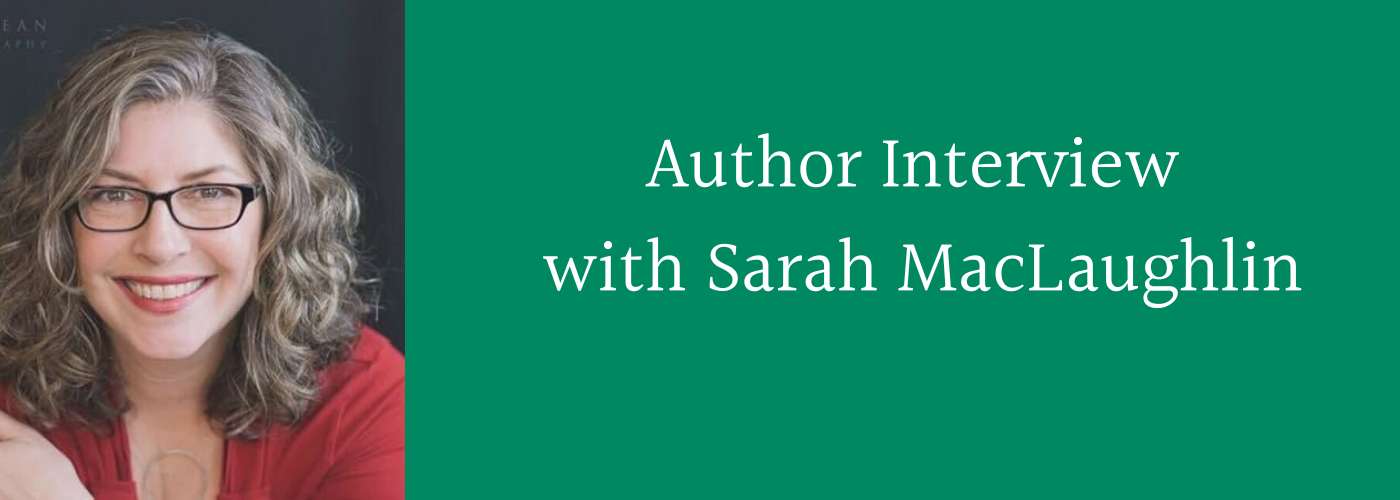
Author Interview: Sarah MacLaughlin, Author of Raising Humans with Heart
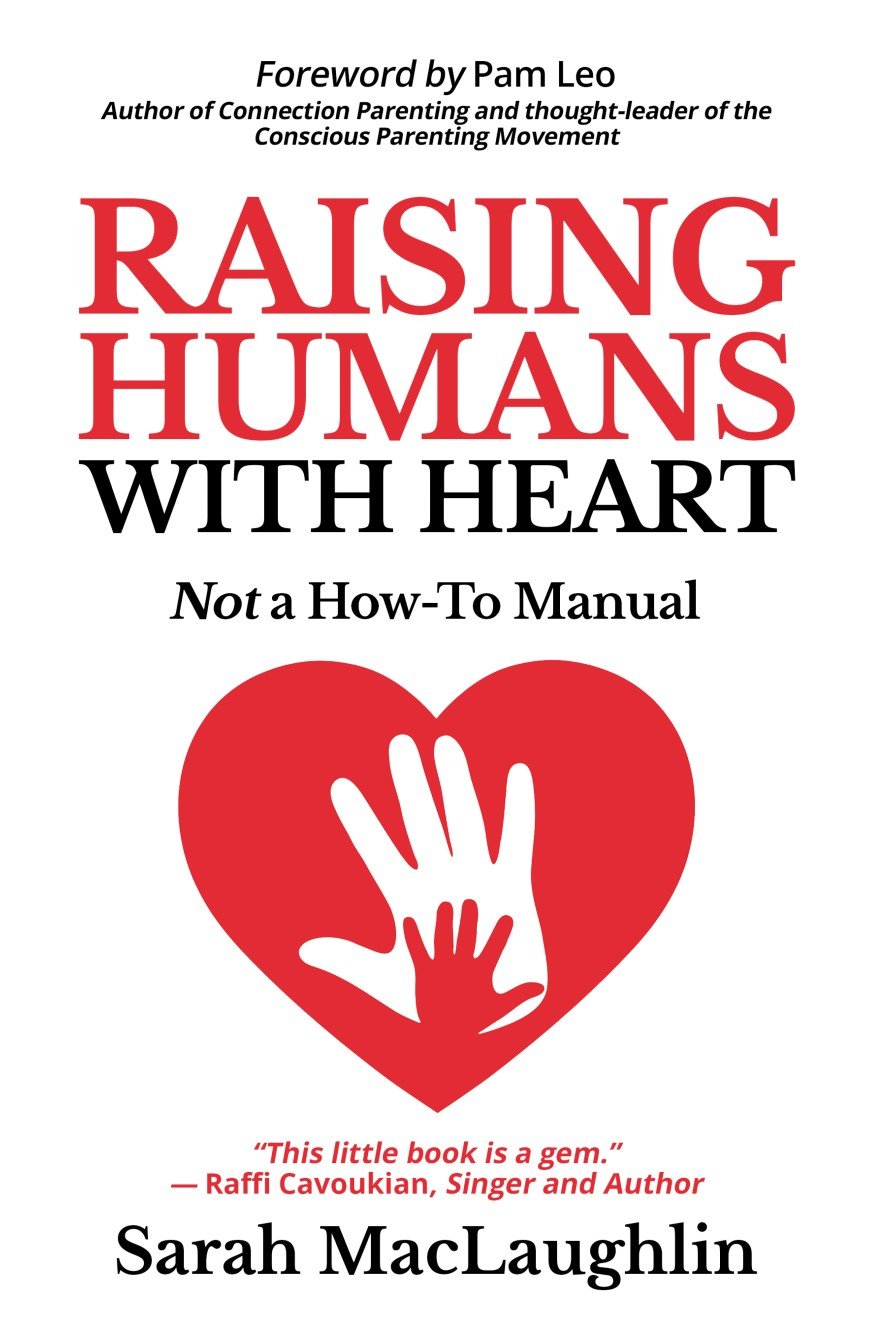
Parenting is one of the most meaningful—and challenging—journeys we can take. In Raising Humans with Heart: Not A How To Manual, Sarah MacLaughlin shares a compassionate perspective on raising emotionally healthy, empathetic children while helping adults become more mindful and connected in the process.
Interview with Sarah MacLaughlin
What inspired you to write your latest book, and what was the moment you knew you had to tell this story?
My inspiration came from years of working with parents, educators, and children who were all trying their best but often feeling overwhelmed by the pressures of modern parenting. I repeatedly saw the same pattern: parents wanted to raise kind, emotionally intelligent kids, but they were unsure how to nurture those qualities in the middle of daily stress and behavioral challenges.
The moment I knew I had to write this book was when I realized how powerful it is when adults shift their focus from controlling behavior to cultivating connection. When parents begin leading with empathy and emotional awareness, everything changes—not just for the child, but for the entire family dynamic.
For readers who are discovering you for the first time, how would you describe your book in one compelling sentence?
Raising Humans with Heart is a practical and compassionate guide to helping children grow into emotionally healthy, empathetic people—while helping parents become more mindful and connected along the way.
What was the biggest challenge you faced while writing this book — and how did you overcome it?
One of the biggest challenges was balancing theory with practical application. There’s a lot of research about emotional development, mindfulness, and compassionate parenting, but parents don’t just need concepts—they need tools they can use during a tough moment at the dinner table or during a bedtime meltdown.
I overcame that challenge by constantly asking myself, “How would this look in a real family?” I tried to translate research into simple practices that parents could realistically incorporate into everyday life.
Can you walk us through your typical writing process? Are you an outliner, a free writer, or somewhere in between?
I fall somewhere in between. I usually begin with a loose framework of the themes I want to explore, but I allow space for ideas and stories to emerge organically as I write.
My process often begins with reflection—thinking about experiences from my counseling work, my own parenting journey, and conversations with families. From there, I begin drafting sections and gradually shape them into a cohesive structure.
Did any real-life experiences influence the themes or characters in this book?
Absolutely. My work as a parent educator and counselor deeply shaped the book. I’ve spent years supporting families who are trying to navigate everything from tantrums to teenage struggles, and those experiences revealed just how important emotional literacy is for both children and adults.
While the book doesn’t center on specific individuals, many of the situations and examples are inspired by real conversations with parents who are striving to raise thoughtful, compassionate kids.
What do you hope readers feel, learn, or walk away with after finishing your book?
More than anything, I hope readers walk away feeling encouraged rather than judged. Parenting can feel incredibly high-pressure, and many parents already feel like they’re falling short.
My hope is that readers feel empowered to approach parenting with curiosity, compassion, and patience—with themselves and with their children.
Was there a particular chapter or scene that was especially meaningful (or difficult) for you to write?
The chapters dealing with emotional regulation and modeling behavior were especially meaningful for me. One of the most important truths in parenting is that children learn far more from what we demonstrate than from what we say.
Writing about that required a lot of personal honesty because it means acknowledging our own struggles as adults. But I think that honesty is also what makes the message resonate with readers.
How has your writing evolved from your earlier work to this latest release?
Over time, my writing has become more grounded in the lived realities of families. Earlier in my career I focused more heavily on explaining concepts, but now I place more emphasis on making those ideas accessible and relatable.
I’ve also become more comfortable weaving together research, storytelling, and practical guidance in a way that feels conversational rather than academic.
What does a productive writing day look like for you — routine, environment, time of day?
My most productive writing time is usually in the morning, when my mind is clear and distractions are minimal. I like to start the day with a quiet cup of coffee and some reflection before diving into writing.
A productive day doesn’t necessarily mean writing thousands of words—it means making meaningful progress, whether that’s drafting a section, refining an idea, or revisiting a passage to make it clearer and more authentic.
If readers could take just one core message from your book, what would you want it to be?
The way we treat children shapes the way they learn to treat themselves and others.
When we lead with empathy, respect, and emotional awareness, we help children develop the same qualities—and that’s how we raise humans with heart.
About the Book
Raising Humans with Heart: Not A How To Manual is a parenting-focused nonfiction title by Sarah MacLaughlin that encourages families to lead with compassion, connection, communication, and emotional regulation. The book is positioned as a practical, heart-centered resource for adults raising children in a complex world.