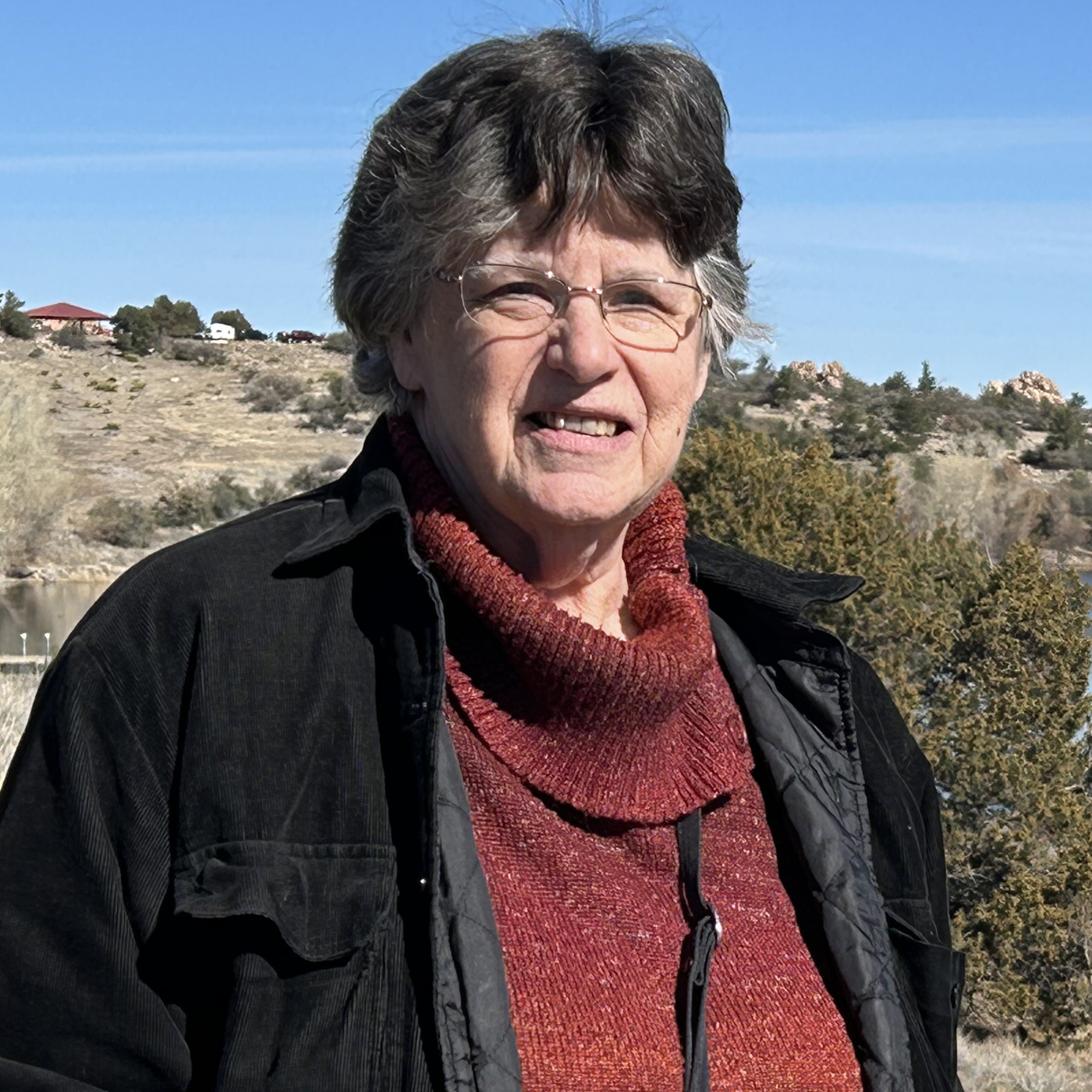
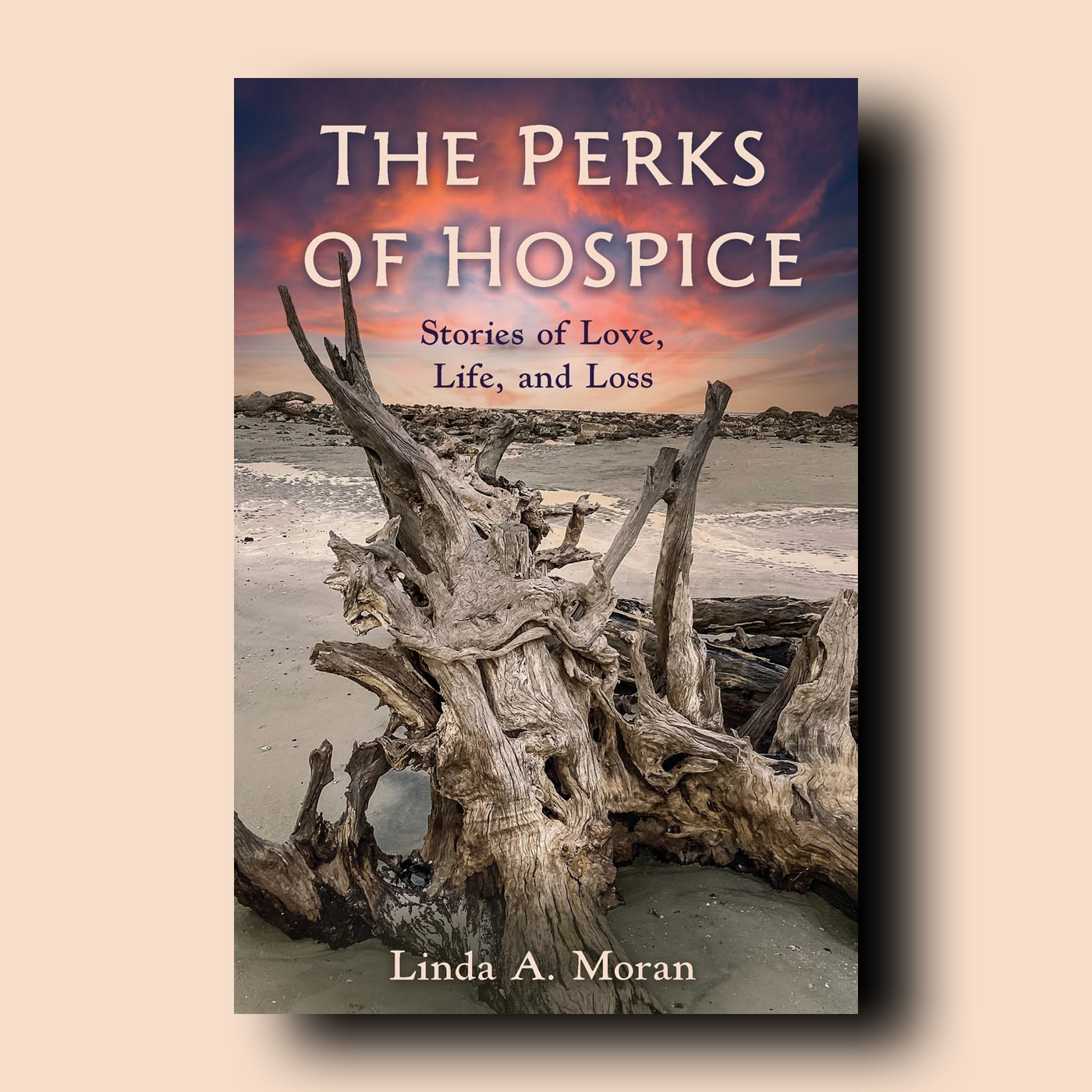
BURLINGTON, VT, UNITED STATES, February 16, 2026 /EINPresswire.com/ — For Linda Moran talking about hospice has become a deeply personal mission. Linda Moran is an author, artist, activist, and the voice behind the moving book, The Perks of Hospice: Stories of Love, Life, and Loss.
Linda’s passion was born from love and loss. Her husband of 45 years, Dean, began experiencing serious health challenges following open-heart surgery. Complications mounted—surgeries, fluid in his lungs, a stroke that affected his memory and vision, kidney failure, and the slow accumulation of setbacks that so many families know all too well. Linda and Dean found themselves navigating a fragmented healthcare system. Over the course of two years, nine specialists were involved in Dean’s care—yet critical information was not shared, protocols were not communicated, and contradictory instructions became the norm. The emotional and logistical toll was overwhelming.
After two years of medical chaos, Dean was referred to hospice care, a moment that came with the devastating understanding that he was not expected to live more than six months. Yet hospice became an unexpected turning point. Rather than signaling an end, it offered clarity, compassion, and support—help navigating a broken system, spiritual counseling, and the freedom to focus on living fully and intentionally.
Hospice allowed Dean and Linda to reclaim agency over his remaining time and to shape those days according to his wishes. It also gave Linda the space to be fully present—not just as a caregiver, but as a partner and wife.
In The Perks of Hospice: Stories of Love, Life, and Loss, Linda weaves intimate personal stories with practical, experience-based checklists designed to guide others facing similar journeys. The book reframes hospice not as a surrender, but as an opportunity for dignity, connection, and peace at the end of life.
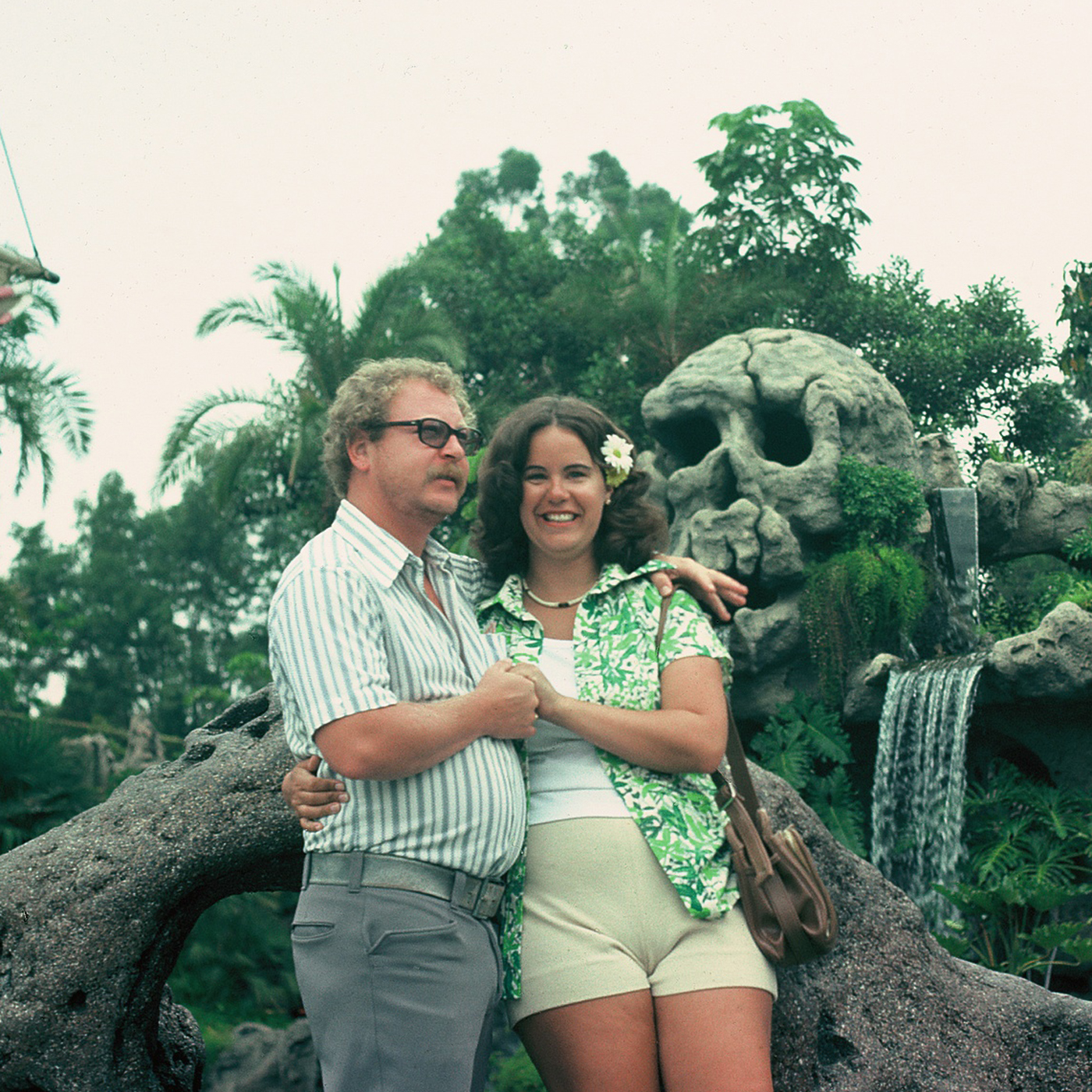
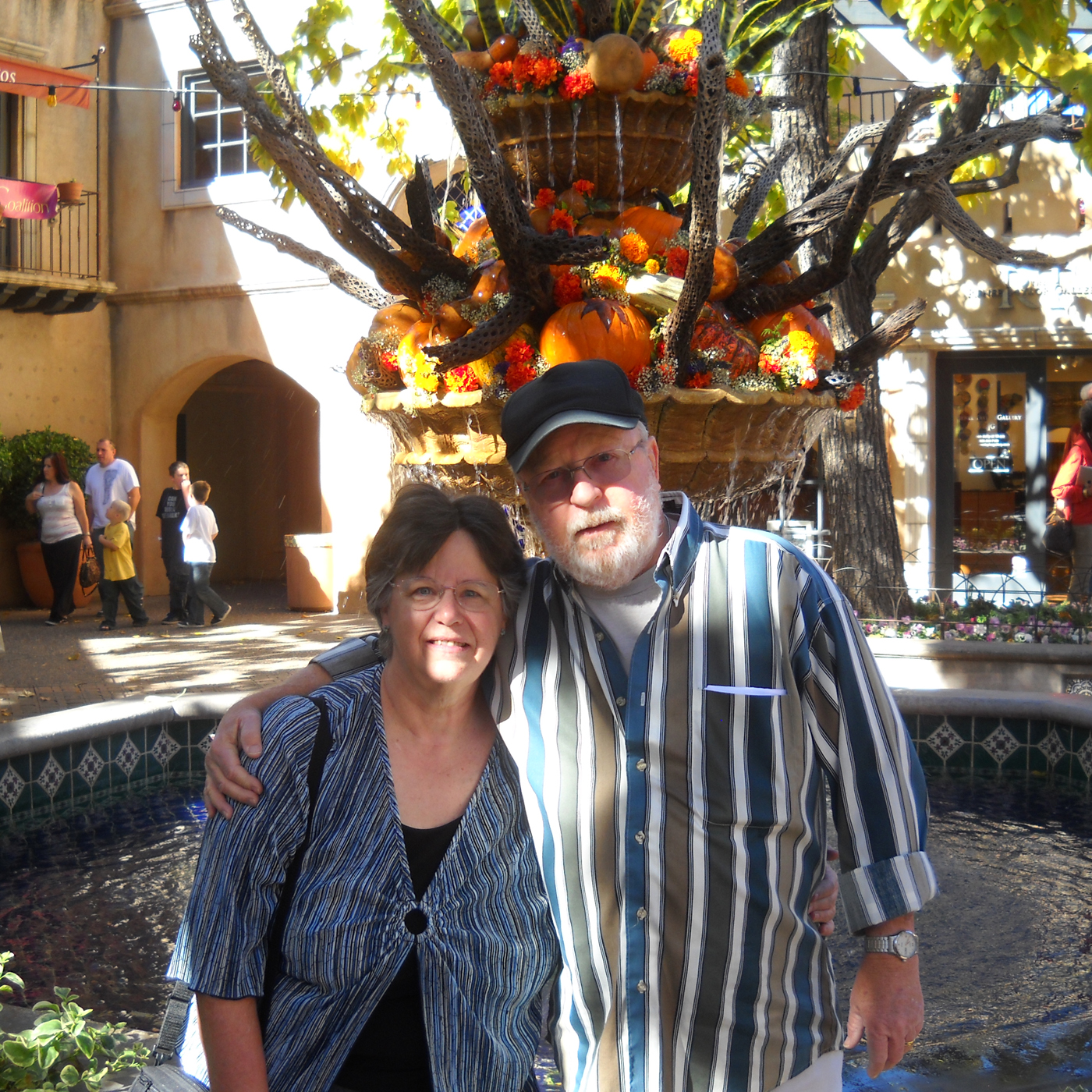
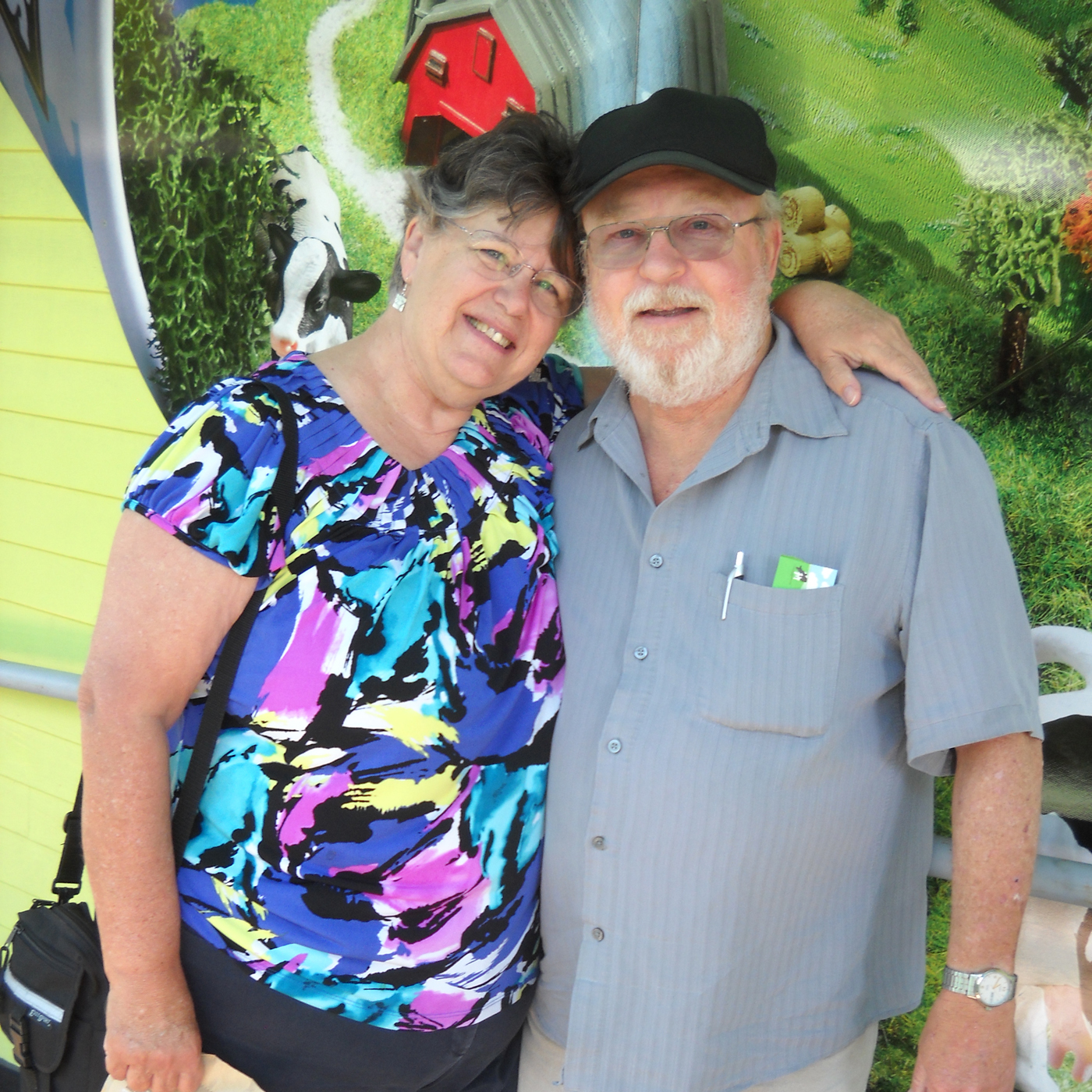
Married for nearly forty-five years, Dean and Linda did everything together, including two decades as fiber artists experimenting with an ancient paper-making process on fabric. Their art became a refuge from medical reality and a way to create a lasting legacy during their final years together.
“When you hear the word ‘hospice,’ fear takes over,” Linda recalls. “Dean asked, ‘Does this mean I’m going to die?’ I didn’t know how to answer. I didn’t know what hospice really meant.”
What they discovered changed everything.
Hospice, often misunderstood as “giving up,” became a source of relief, dignity, and unexpected joy. A dedicated care team surrounded Dean and Linda with support—nurses, social workers, and a spiritual care provider who helped guide them emotionally and practically. One nurse told Dean gently, “You are not dying tomorrow,” a moment Linda remembers as visible relief washing over him.
Hospice care gave them time—not just to manage symptoms, but to live meaningfully. During those months, they celebrated wedding anniversaries, traveled to a quiet inn by a lake, watched sunsets together, and found moments of peace amid uncertainty. Dean ultimately lived years longer than expected, supported by attentive hospice professionals who prioritized comfort, autonomy, and quality of life.
“Hospice didn’t take anything away,” Linda says. “It gave us everything that mattered.”
In her book, Linda shares not only the realities of end-of-life care, but also the emotional truth of grief, love, and advocacy. She speaks candidly about anger, fear, and the importance of emotional and spiritual support—for both patients and caregivers. She emphasizes the critical role of having an advocate, encouraging families to learn the healthcare system, ask questions, document decisions, and never assume someone else will speak for them.
Beneath Linda’s personal story lies a broader message about the healthcare system itself. Through years of navigating appointments, insurance barriers, delays, and fragmented care, she raises important questions many families face:
Why is it so difficult to get clear answers?
Why do patients wait months for care?
Why does healthcare place such a heavy financial burden on families?
And how can we rebuild a system that truly puts patients first?
Linda does not claim to have all the answers—but she offers compassion, insight, and hope. Her work encourages families to explore hospice and palliative care options early, to seek support without shame, and to redefine what it means to live fully, even at the end of life.
“Grief doesn’t disappear,” Linda says. “I’m not moving on—I’m moving forward. Love doesn’t end. Our story is more than illness and loss. It’s a love story.”
Through The Perks of Hospice, Linda Moran is changing the conversation around death, dying, and care—reminding us that hospice professionals are not messengers of loss, but, as she calls them, “the angels who walk among us.”
Close Up Radio recently featured Linda Moran in an interview with Jim Masters on Tuesday February 10th at 2pm EST
Listen to the Podcast
https://podcasts.apple.com/us/podcast/close-up-radio-spotlights-author-artist-and-activist/id1785721253?i=1000749243517
https://www.iheart.com/podcast/269-close-up-radio-242020413/episode/close-up-radio-spotlights-author-artist-322267294/
https://open.spotify.com/episode/0kXPxV6HlPSzRAKFdp9mKr
For more information, visit: www.lindamoran.org
Written By: Beatrice Maria Centeno
Lou Ceparano
Close Up Television & Radio
+1 631-850-3314
email us here
Visit us on social media:
Facebook
Legal Disclaimer:
EIN Presswire provides this news content “as is” without warranty of any kind. We do not accept any responsibility or liability
for the accuracy, content, images, videos, licenses, completeness, legality, or reliability of the information contained in this
article. If you have any complaints or copyright issues related to this article, kindly contact the author above.