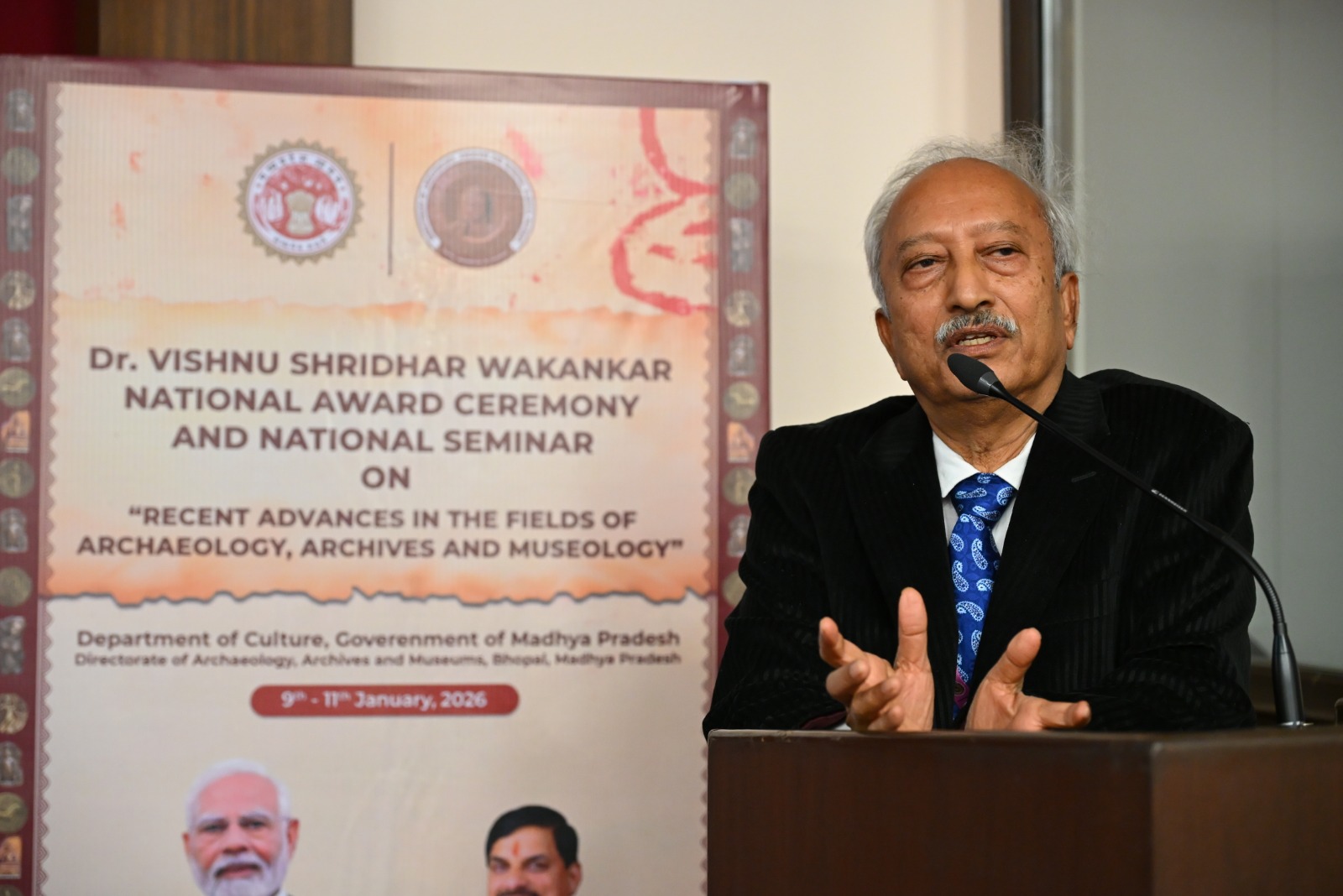
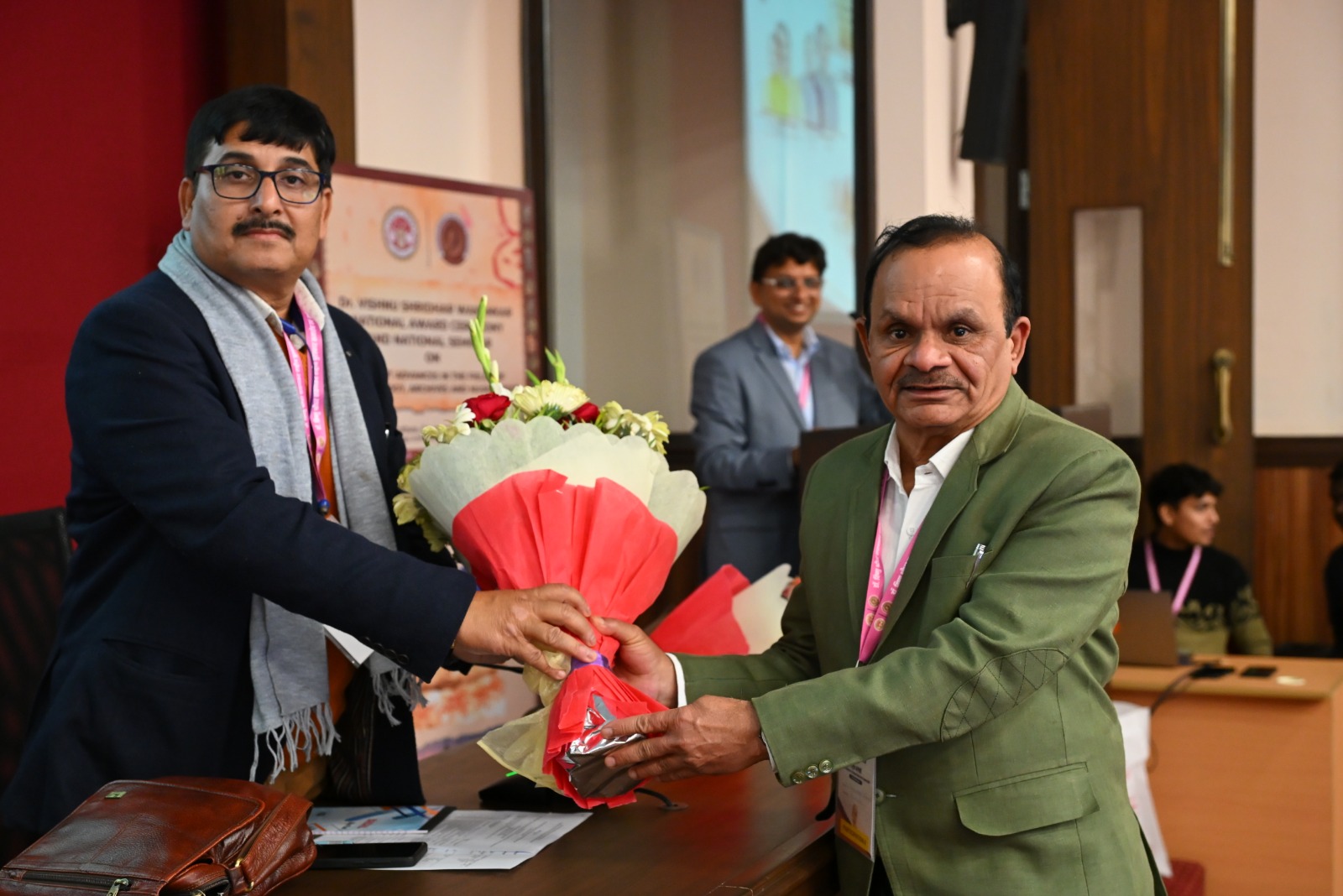
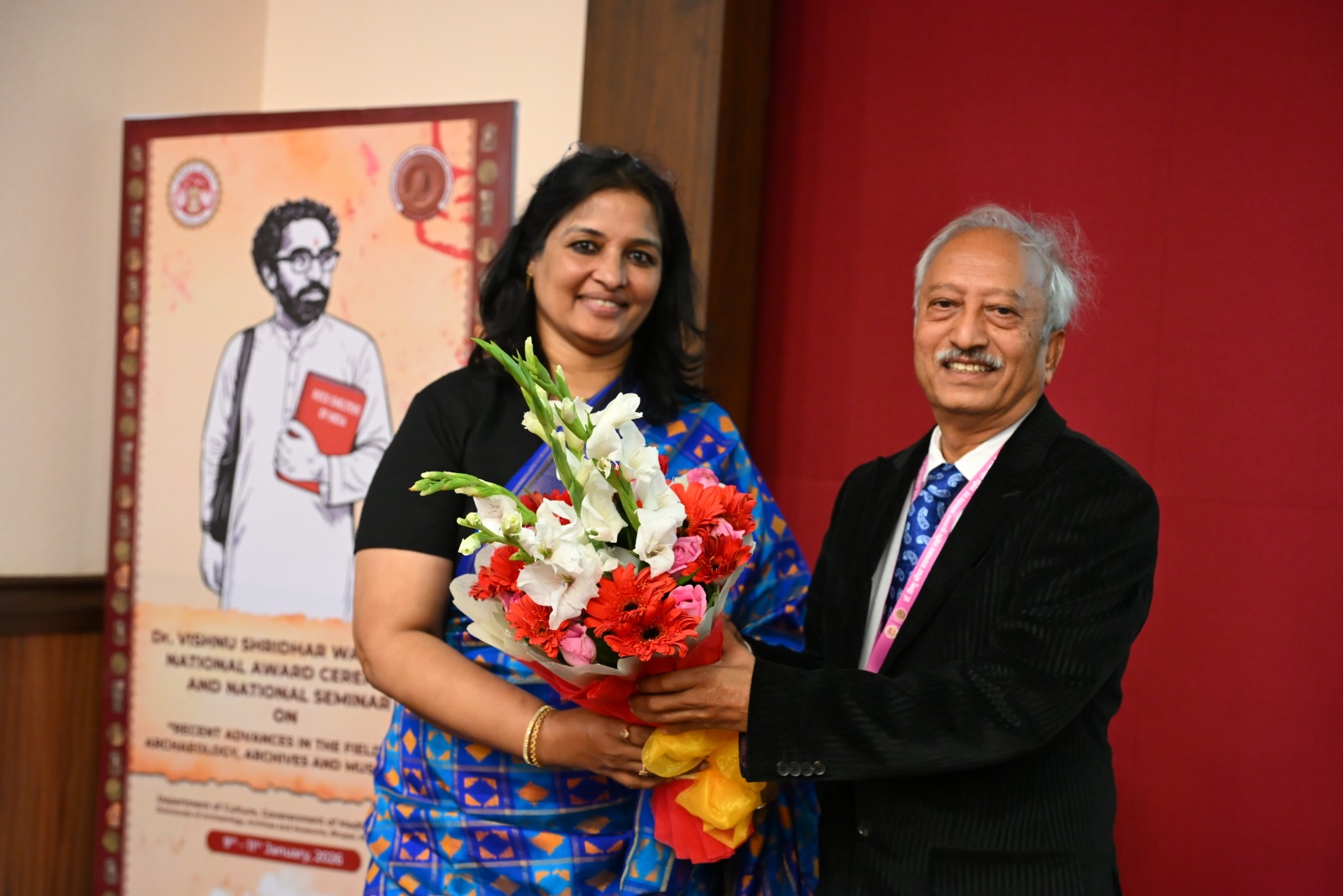
BHOPAL, MADHYA PRADESH, INDIA, March 12, 2026 /EINPresswire.com/ — Emerging technologies such as artificial intelligence, satellite imaging, and advanced scientific conservation methods are reshaping archaeological research worldwide; and these developments took center stage at a major academic gathering in India. Scholars and heritage professionals from across the country convened in Bhopal for the Dr. Vishnu Shridhar Wakankar National Award and Seminar on ‘Recent Advances in the Fields of Archaeology, Archives and Museology,’ organized by the Directorate of Archaeology, Archives and Museums (DAAM), Madhya Pradesh.
The archaeology session of the seminar examined how new scientific tools, interdisciplinary methods, and digital technologies are transforming the study of the past while creating new frameworks for responsible heritage management. The discussions also positioned Madhya Pradesh; home to UNESCO World Heritage sites such as Bhimbetka and Sanchi, as an emerging intellectual hub for global dialogue on archaeological science and cultural heritage research.
Dr. Manisha Sharma, Joint Director, DAAM, Madhya Pradesh, said: “Heritage institutions today stand at a moment of transformation where scientific innovation and interdisciplinary research are reshaping how we understand the past. At DAAM, we aim to integrate archaeology, conservation science, and digital documentation to advance global heritage practices while fostering collaboration that ensures cultural knowledge remains accessible for research, education, and future generations.”
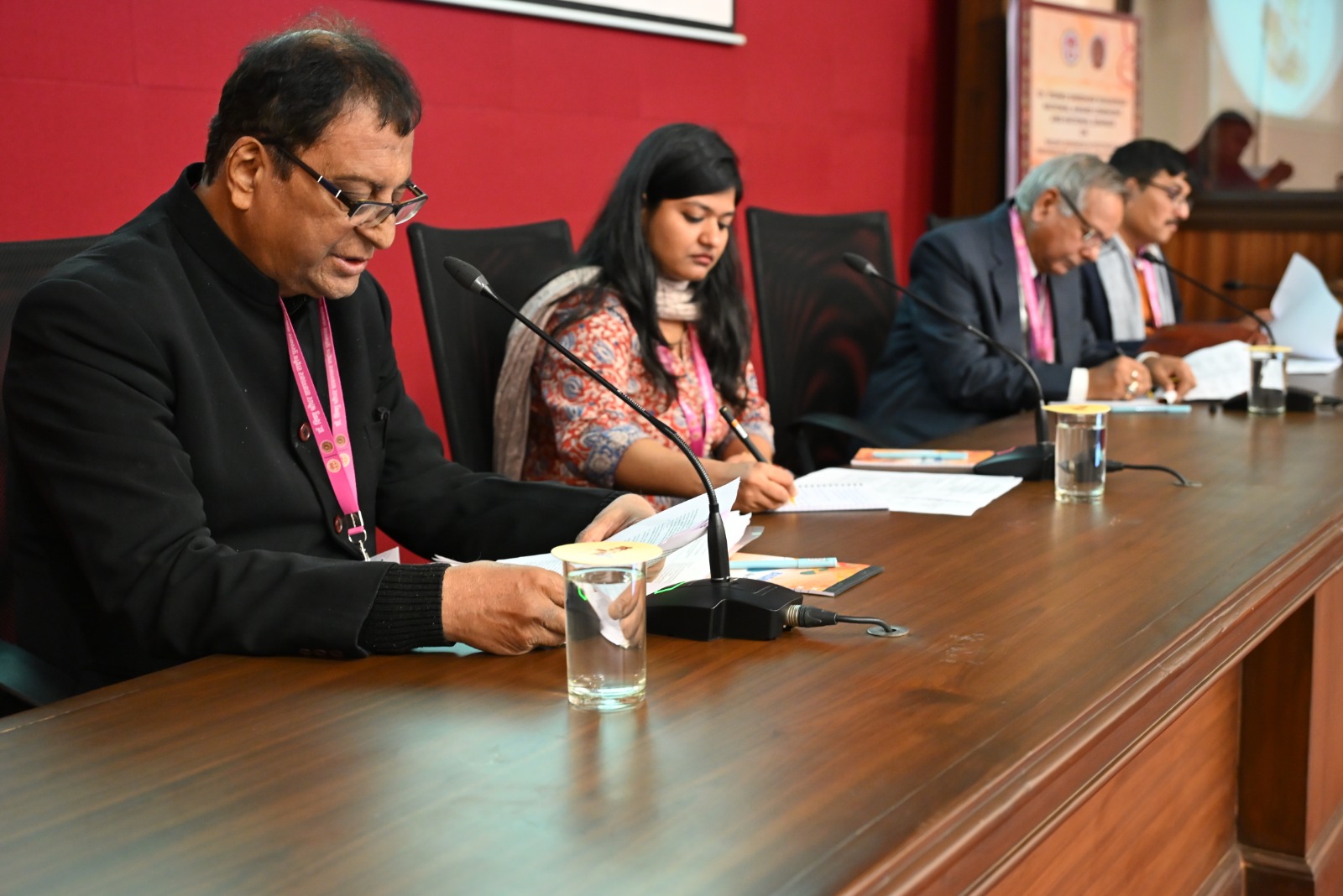
The technical session was chaired by Dr. A. K. Sinha, former Director of the Archaeological Survey of India (ASI), with Dr. Shivakant Bajpai, Superintending Archaeologist of ASI’s Jabalpur Circle, serving as moderator. In the opening keynote, Shri Kalyan Kumar Chakravarty, noted cultural administrator and former Principal Secretary, highlighted the rapid transformation of archaeological practice through the adoption of non-invasive technologies such as remote sensing, LiDAR mapping, ground-penetrating radar (GPR), photogrammetry, artificial intelligence, and robotics.
These tools allow researchers to investigate archaeological landscapes and even underwater heritage sites without disturbing fragile cultural deposits. Such technological approaches are increasingly central to heritage preservation strategies worldwide, particularly as climate change and urban expansion place growing pressure on archaeological sites.
The second keynote address by Prof. Ravi Korisettar, Honorary Director of the R.B.F. Sangankallu Archaeological Museum, Karnataka; and one of India’s leading prehistorians, emphasized the importance of revisiting earlier archaeological discoveries using modern scientific techniques. Drawing attention to research materials preserved at the Wakankar Shodh Sansthan in Ujjain, Prof. Korisettar explained that advances in DNA analysis, improved dating methods, and high-resolution scientific imaging are enabling archaeologists to reassess older excavations and archival collections in new ways. Such re-examination can significantly deepen understanding of early human populations and prehistoric cultural developments in South Asia.
Several research presentations explored the rapidly growing field of digital archaeology, including the use of artificial intelligence to assist with artifact identification and classification. Machine-learning tools, researchers noted, are increasingly capable of analyzing large archaeological datasets, helping scholars detect patterns that would be difficult to identify through manual analysis alone.
Another major theme was satellite archaeology, which uses multispectral and infrared imagery to detect buried structures, ancient river channels, and previously unknown archaeological landscapes. Researchers stressed that such non-invasive methods allow archaeologists to explore vast geographical areas while minimizing disturbance to fragile cultural contexts.
Scientific analysis of heritage materials also featured prominently. A study of mural paintings at the Lakshmi Narayan Temple in Orchha, Madhya Pradesh, demonstrated how advanced laboratory techniques; including X-ray fluorescence (XRF), Raman spectroscopy, and gas chromatography can identify historical pigments, binders, and restoration layers. Such findings provide a scientific basis for evidence-driven conservation strategies.
Other papers focused on archaeological discoveries and reinterpretations within central India. Research on the Chanderi Darwaja inscription of Jayasimhadeva II revealed new insights into the political and cultural continuity of the Parmar dynasty through the study of reused inscriptions in medieval architecture. Prehistoric research also yielded significant findings. Evidence from the Damdongri site in Madhya Pradesh suggests that hafted stone tools may have been used during the Lower Paleolithic period, potentially revising existing interpretations of early tool-making technologies in the Indian subcontinent.
Environmental archaeology formed another key theme of the session. A hydrogeological study of historic stepwells in Jaipur demonstrated how traditional water structures functioned as effective groundwater recharge systems, highlighting how archaeological knowledge can inform contemporary discussions on water sustainability and climate resilience.
Participants concluded that the future of archaeology lies in integrating field research with laboratory science, digital technologies, archival study, and community engagement. Such interdisciplinary approaches are increasingly essential for understanding complex cultural landscapes and ensuring sustainable heritage management. Research papers presented during the session included contributions by Ms. Nancy Sharma, Ms. Niharika and S. B. Ota, Dr. Jayendra Joglekar, Dr. A. K. Vishwakarma, Mr. Anshul Agrawal and Mr. Guru Prasad, Mr. Astik Bhardwaj, Ms. Khushi Arora, Ms. Prachi Vinayak Mankumbare, Ms. Susmita Prakash and Ms. Anjali Sharma, whose studies reflected the diversity of contemporary archaeological research ranging from prehistoric technology and epigraphy to digital archaeology, conservation science, and environmental heritage studies. The session proceedings were documented by Ms. Sakshi Rohatgi, who served as the rapporteur.
By convening leading scholars, scientists, and heritage practitioners, Dr. Vishnu Shridhar Wakankar National Award ceremony and Seminar reinforced Madhya Pradesh’s growing role as a center for international dialogue on archaeological science, heritage conservation, and digital cultural research. The outcomes of the session are expected to inform future research collaborations, technological innovation in archaeology, and new policy frameworks for safeguarding cultural heritage in India and beyond.
AJ
Directorate of Archaeology, Archives and Museums
email us here
Visit us on social media:
Instagram
Facebook
YouTube
X
Legal Disclaimer:
EIN Presswire provides this news content “as is” without warranty of any kind. We do not accept any responsibility or liability
for the accuracy, content, images, videos, licenses, completeness, legality, or reliability of the information contained in this
article. If you have any complaints or copyright issues related to this article, kindly contact the author above.