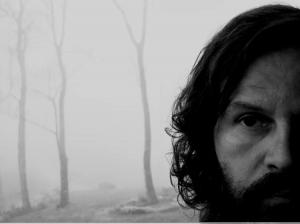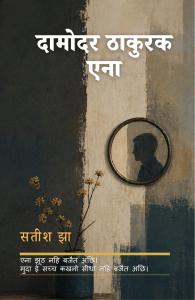
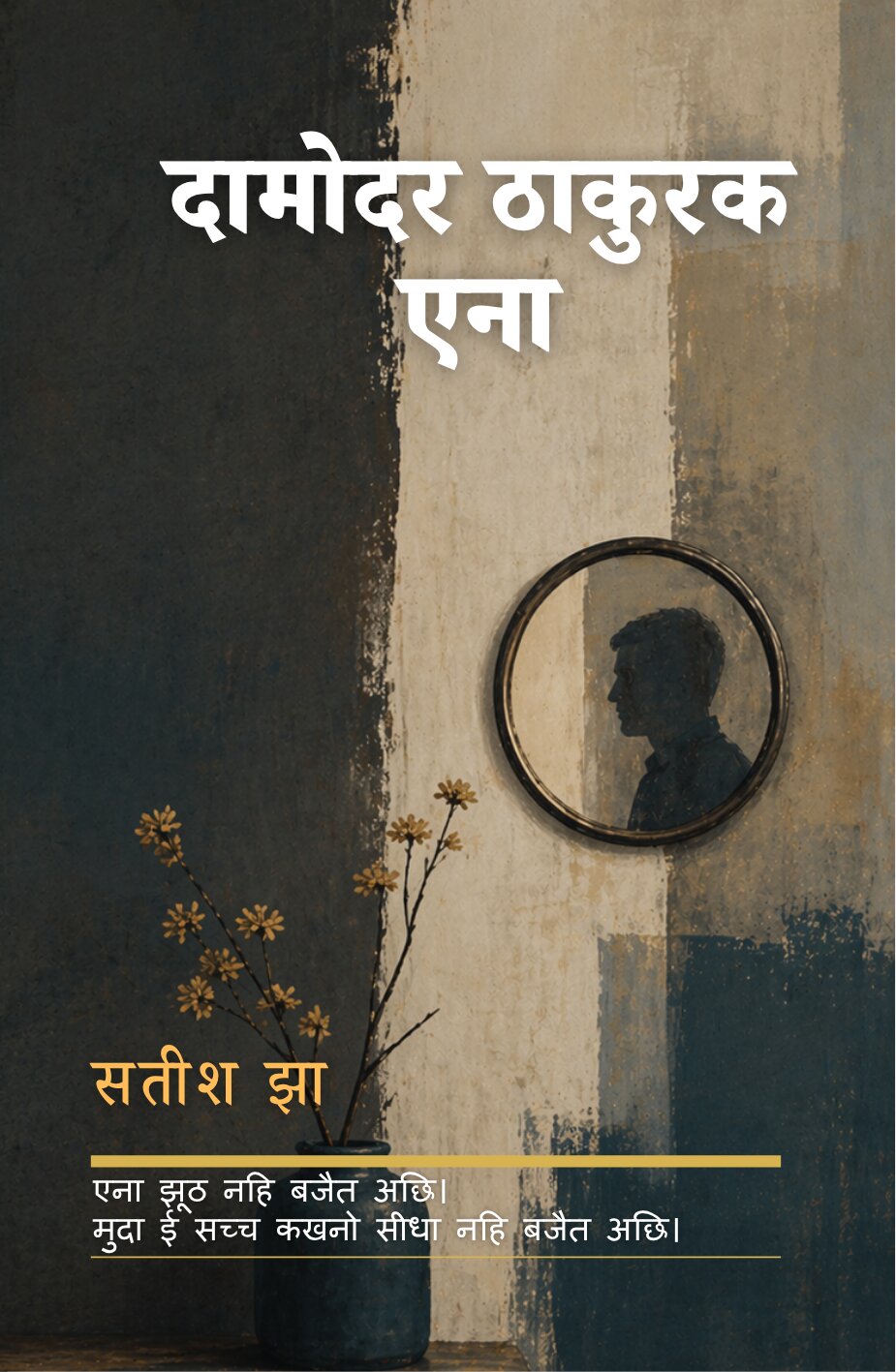
Damodar Thakurak Ena – Cover
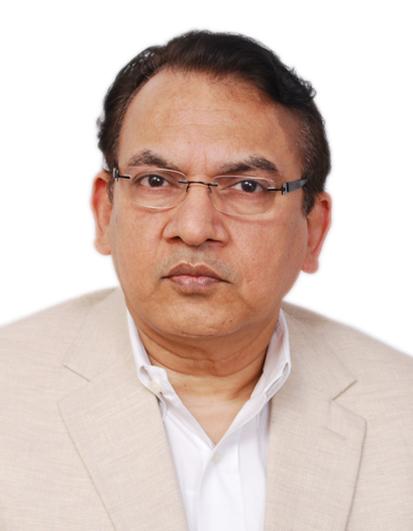
Satish Jha
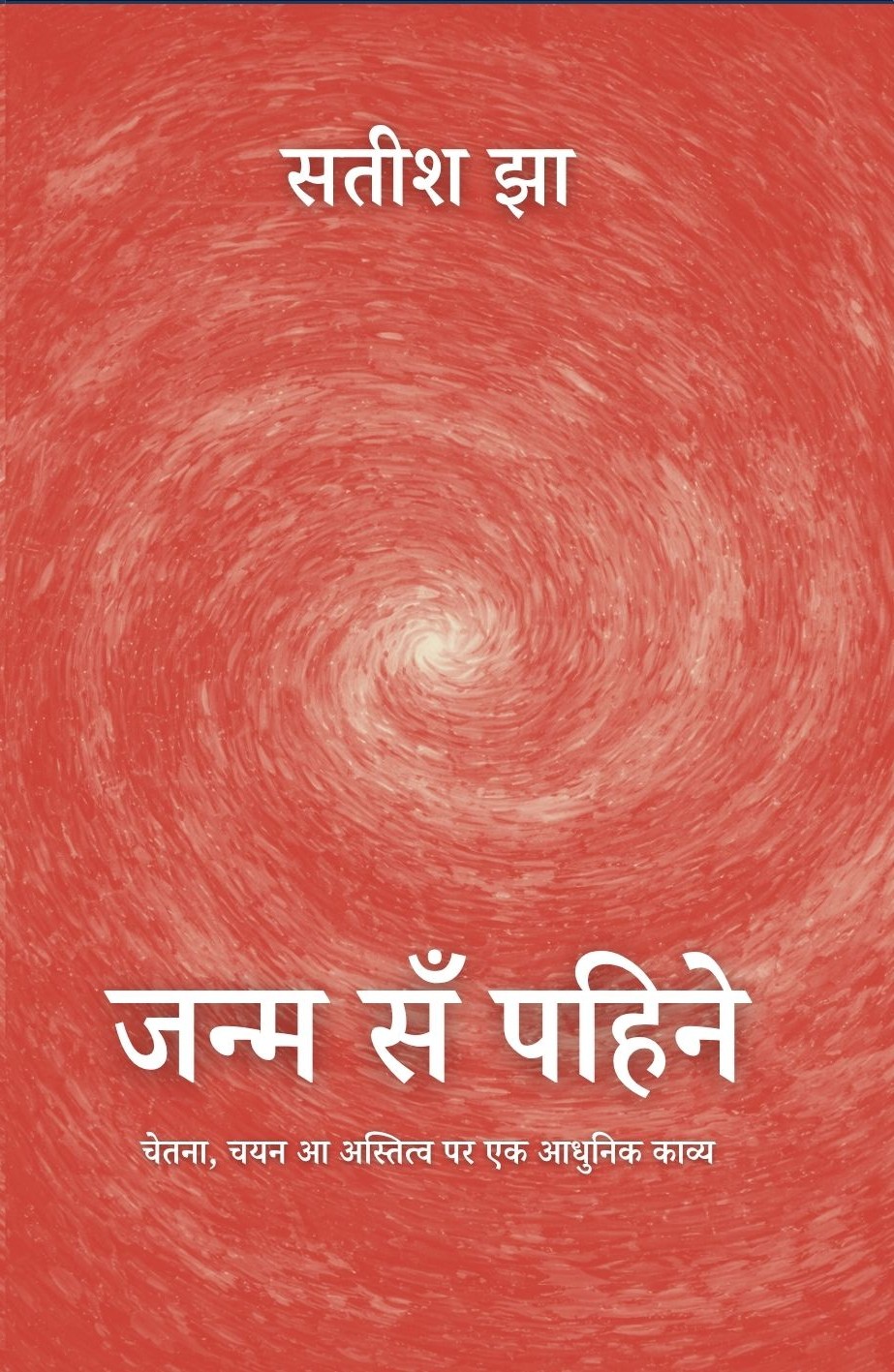
Janm san Pahine – Cover
Maithili Literature’s Most Anticipated Debut of 2026 – “दामोदर ठाकुरक एना” — A landmark work of contemporary Maithili poetry
Mirror Doesn’t lie – Its another matter if it tells the truth.”
NEW DELHI, DELHI, INDIA, April 23, 2026 /EINPresswire.com/ — Maithili Sahitya Prakashan announced today the publication of Damodar Thakurak Ena (“Damodar Thakur’s Mirror”), a landmark long poem in five cantos by celebrated Maithili and Hindi poet Satish Jha. The work marks a significant moment for contemporary Maithili literature — a sustained, meditative poem that places the inner life of an ordinary man at the centre of an extraordinary literary reckoning with conscience, compromise, and self-knowledge.
The poem follows Damodar Thakur, a mid-level government supply officer in a provincial district town, who one unremarkable monsoon day purchases a new mirror from the market — not because he needs one, but because a shopkeeper holds it up to his face. That accidental reflection opens a quiet, relentless interior examination spanning the five cantos: Kinbak Prasang (The Occasion of Buying), Daftar (The Office), Ena Bajait Achhi (The Mirror Speaks), Chalait Rahal (Carrying On), and Antim Sthiti (Final Position).
Satish Jha’s poem unfolds with the precision of a short story and the stillness of a meditation. Damodar’s world is rendered in close, unsparing detail: the cracked silver of a wooden-framed mirror by the window, the silence between a husband and wife at dinner, a bureaucrat’s three encounters with an old man seeking a ration card, and the moment — reported with devastating restraint — when he signs a document he knows to be wrong. The poem asks not why people compromise, but what it costs to see the compromise clearly and still carry on.
“I wanted to write a poem that took seriously the life of a man who never becomes a hero or a villain,” said Satish Jha. “Damodar Thakurak Aina is for everyone who has stood in front of a mirror and looked away. The question the poem asks is not whether you looked — but what happens when you finally decide not to.”
The publication arrives at a moment of renewed global interest in Maithili language and literature, spoken by an estimated 34 million people across Bihar, Jharkhand, and the Madhesh Province of Nepal. Long a language of classical verse — most famously the medieval devotional poetry of Vidyapati — Maithili’s contemporary literary scene has produced a growing body of prose and poetry that engages with postcolonial subjectivity, partition memory, and the textures of everyday bureaucratic life in modern India.
“We have been waiting to publish this poem for two years,” said the editorial director of Maithili Sahitya Prakashan. “Satish Jha has written a work that stands alongside the finest long poems in any Indian language written in the last decade. It is quiet, devastating, and completely original.”
About Satish Jha
Satish Jha is a poet writing in both Maithili and Hindi. Born and raised in the Mithila region of Bihar, his work draws on the textures of provincial life, institutional bureaucracy, and the slow accretion of private compromise. He has been published in leading Hindi and Maithili literary journals and is a well known former Editor of Dinamaan and co-founded Jansatta. Damodar Thakurak Ena is his second long-form poem in Maithili, the first being “Janm sa Pahine”.
About Maithili Sahitya Prakashan
Maithili Sahitya Prakashan is a New Delhi-based independent publisher dedicated to the publication and promotion of Maithili language literature in India and internationally. The press publishes titles spanning poetry, fiction, criticism, and translation.
Reach Scale
Pinewood Systems
+91 9910022922
email us here
Visit us on social media:
LinkedIn
X
Legal Disclaimer:
EIN Presswire provides this news content “as is” without warranty of any kind. We do not accept any responsibility or liability
for the accuracy, content, images, videos, licenses, completeness, legality, or reliability of the information contained in this
article. If you have any complaints or copyright issues related to this article, kindly contact the author above.