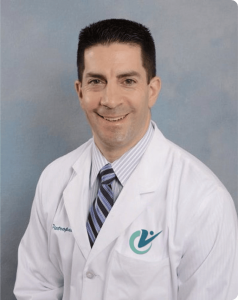
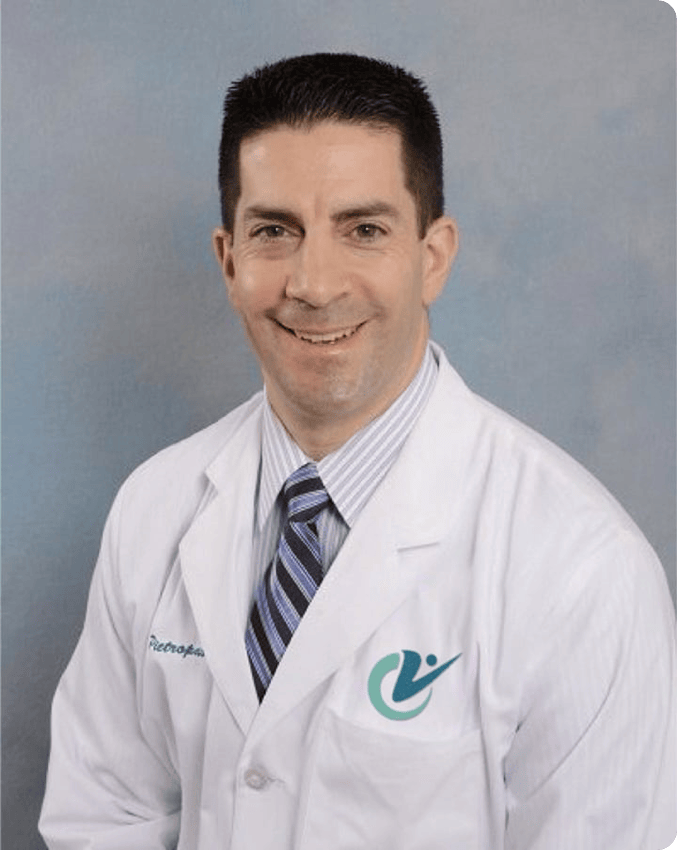
Dr. Marc Pietropaoli
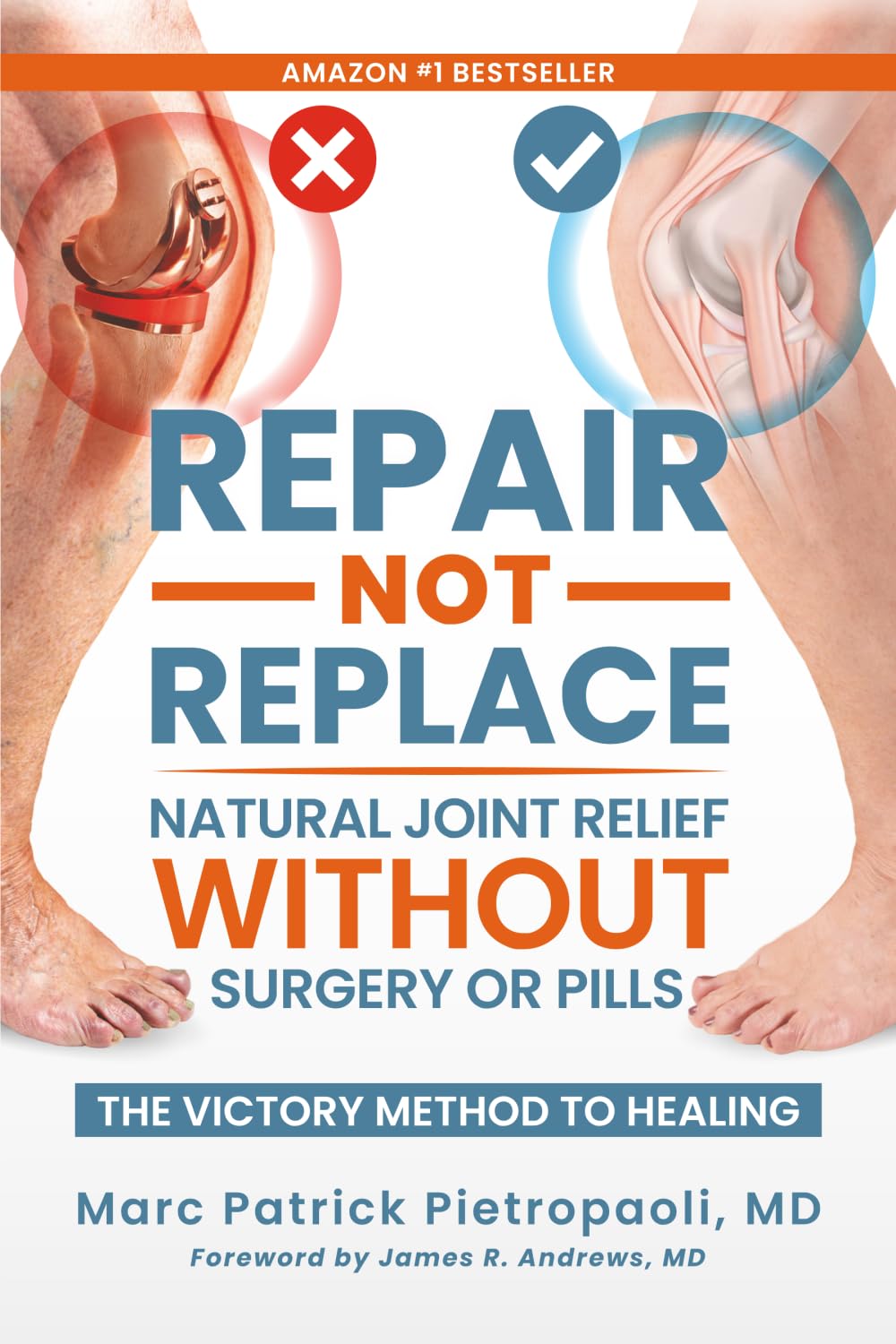
Repair NOT Replace is more than just a book; it’s a movement and a call to question outdated assumptions, reclaim control of your health, and join the mission to make the world Knee Replacement Free by ’43.
Evidence-based approach focuses on diagnosing and repairing the true source of joint pain—often eliminating the need for surgery
SKANEATELES, NY, UNITED STATES, April 9, 2026 /EINPresswire.com/ — For decades, chronic joint pain has been treated as a mechanical failure requiring replacement. A growing body of clinical evidence, along with insights now gaining broader attention in recent research and writing, suggests that many knee and other joint replacements may be unnecessary, with some studies estimating that 25 to 30 percent may not be clinically warranted.
The breakthrough centers on identifying and repairing the true biological source of joint pain, rather than defaulting to replacement. According to orthopedic surgeon Dr. Marc Pietropaoli, pain associated with arthritis and chronic knee injuries often originates not in worn cartilage, but in the bone beneath it, a factor frequently overlooked in standard care.
“Cartilage doesn’t have nerve endings,” Dr. Pietropaoli explains. “The pain often comes from the bone underneath it. If you don’t address the bone, you’re not addressing the real problem.”
In his new book Repair Not Replace: Natural Joint Relief Without Surgery or Pills, Dr. Pietropaoli reveals the programs and regenerative medicine techniques being used to change how arthritis and joint injuries are treated. Grounded in clinical experience and supported by emerging research, the work reflects his broader mission to eliminate the need for knee replacements by 2043.
As Dr. Pietropaoli explains it, cartilage deteriorates due to injury, aging or biomechanical stress, and force is transferred to the underlying bone, where micro-fractures and inflammation develop, often described as bone marrow lesions. These changes, detectable through advanced imaging such as MRI, trigger pain and accelerate degeneration.
“The bone beneath the cartilage has millions of pressure-sensitive nerve fibers,” he explains. “That’s why people hurt. And that bone can often be treated and restored toward more normal function.”
Central to the model is a one-day, comprehensive diagnostic evaluation known as a Clarity Day, designed to identify the true source of joint pain and replace the traditional cycle of endless referrals, imaging delays, insurance authorization hurdles, injections, and months of ineffective therapy.
“In the current system, it can take months, sometimes even over a year, to reach a clear diagnosis,” Dr. Pietropaoli notes. “We can determine exactly what’s wrong in a single day. Without clarity, treatment is just guesswork.”
A long-term study of patients with advanced knee osteoarthritis, often described in clinical practice as “bone-on-bone,” found that targeted biologic treatment helped many avoid knee replacement for extended periods, often more than a decade. “In real-world clinical practice, we see improvement rates in the 85 to 95 percent range in appropriately selected patients,” Dr. Pietropaoli says. “Most patients never need replacement.”
His perspective is informed by decades in orthopedic and sports medicine, and by firsthand experience with the complications that can follow joint replacement.
“I was trained to replace joints. That’s the system,” he says. “But once you understand the biology, and once you see what can go wrong, you realize patients deserve a better first option.
“The future isn’t just replacing parts,” he adds. “It’s understanding how to support the body’s ability to repair and recover, and giving patients real options before surgery becomes inevitable.”
###
Gary Schneeberger
ROAR
+1 818-309-8580
email us here
Legal Disclaimer:
EIN Presswire provides this news content “as is” without warranty of any kind. We do not accept any responsibility or liability
for the accuracy, content, images, videos, licenses, completeness, legality, or reliability of the information contained in this
article. If you have any complaints or copyright issues related to this article, kindly contact the author above.