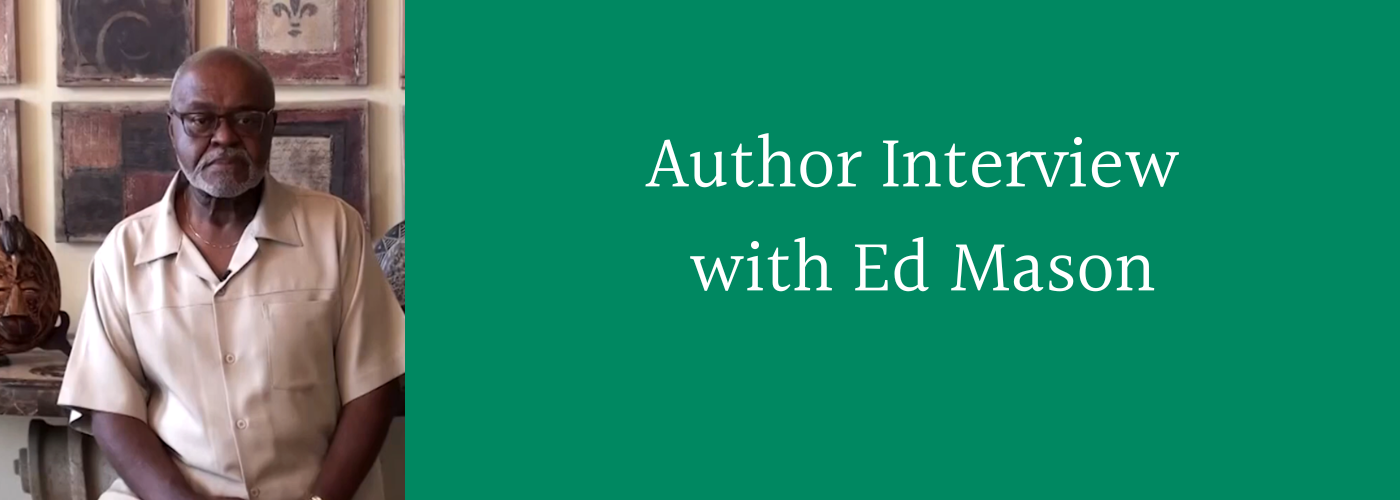
1. What inspired you to write your latest book, and what was the moment you knew you had to tell this story?
The seed for Good Grief for Now and Later was planted nearly ten years ago through personal loss within my own family. I walked through seasons of grief that were deeply personal and, at times, overwhelming. But what moved me most was realizing how unprepared so many of us are to face death, funerals, and the emotional aftermath.
The moment I knew I had to tell this story came when I saw friends struggling silently after losing loved ones. I recognized that my experiences—painful as they were—could serve as a guidepost. I didn’t write this book because I had all the answers. I wrote it because I had walked the road, and I knew others would eventually walk it too.
2. For readers who are discovering you for the first time, how would you describe your book in one compelling sentence?
Good Grief for Now and Later is a compassionate, faith-grounded guide that helps you navigate loss with honesty, preparation, and hope.
3. What was the biggest challenge you faced while writing this book — and how did you overcome it?
The greatest challenge was emotional vulnerability. Chapter 2, titled “It’s Personal,” required me to revisit family deaths that were still tender in my heart. Writing those narratives meant reliving moments I had carefully tucked away.
I overcame that challenge by remembering my purpose. This book wasn’t about reopening wounds—it was about offering healing. I gave myself permission to pause when needed, to pray, to reflect, and then to write again. Grief is not linear, and neither was the writing process.
4. Can you walk us through your typical writing process? Are you an outliner, a free writer, or somewhere in between?
I’m somewhere in between. I begin with a structured outline because topics like grief require thoughtful organization. However, once I start writing, I allow the narrative to breathe. Personal stories often unfold in ways I didn’t initially plan.
I tend to write in focused sessions, sometimes reflecting beforehand on scripture, memories, or conversations that shaped my understanding of loss. Structure gives the book stability—but authenticity gives it life.
5. Did any real-life experiences influence the themes or characters in this book?
Absolutely. Nearly every chapter is influenced by real-life experiences—my own and those shared with me by others. The themes of preparation, transparency, faith, and open conversation about death all come from lived moments.
Death is universal, but grief is deeply personal. The stories in this book reflect that balance. I didn’t create fictional characters; I shared real encounters and lessons learned through tears, funerals, hospital rooms, and quiet moments afterward.
6. What do you hope readers feel, learn, or walk away with after finishing your book?
I hope readers feel less alone.
I hope they learn that talking about death is not morbid—it’s wise and loving.
And I hope they walk away with both practical guidance and spiritual reassurance. Grief may be unavoidable, but being unprepared doesn’t have to be.
7. Was there a particular chapter or scene that was especially meaningful (or difficult) for you to write?
Chapter 2, “It’s Personal,” was both meaningful and difficult. Sharing family death narratives required complete honesty. I knew that if I held back emotionally, readers would feel that distance.
That chapter matters deeply to me because it sets the tone for the entire book. Before I could offer guidance, I had to offer transparency.
8. How has your writing evolved from your earlier work to this latest release?
My writing has become more transparent and reflective. Earlier work focused more on information and instruction. With Good Grief for Now and Later, I allowed myself to be more vulnerable.
I’ve learned that readers don’t just want answers—they want connection. This book reflects a more personal, conversational voice.
9. What does a productive writing day look like for you — routine, environment, time of day?
A productive writing day begins in quiet. I prefer early mornings when the house is still and distractions are minimal. I often start with reflection or prayer, especially when writing about sensitive subjects.
My environment is simple—no elaborate setup. Just a desk, my notes, and time to think. Writing about grief requires emotional clarity, so I guard that time carefully.
10. If readers could take just one core message from your book, what would you want it to be?
The core message is this: Grief is inevitable—but preparation, faith, and open conversation can transform how we experience it.
We cannot avoid loss. But we can approach it with wisdom, love, and hope—both now and later.

Good Grief for Now and Later
Good Grief for Now and Later is a compassionate guide for navigating the often confusing and painful journey of grief. Whether you are grieving the recent loss of a loved one, supporting someone through sorrow, or preparing for the inevitable goodbyes life brings, this book offers comfort, clarity, and hope.
With a gentle and practical approach, C. Edward Mason helps readers understand the emotional and spiritual dimensions of loss while providing guidance for personal renewal. Good Grief for Now and Later is not only a resource for healing—it’s a companion on the path toward peace.